
Every Second Counts: How to Act Fast in a Pet Emergency
Aparna Jha | Oct 03, 2025, 10:00 IST

Cat
Image credit : Unsplash
In a pet emergency, acting quickly and correctly can save your pet’s life. Being able to identify warning signs, perform basic first aid, and stay calm before reaching the veterinarian makes all the difference. This article guides pet owners on handling life-threatening situations with confidence and preparation to protect their beloved companions.
Pets bring unconditional love and joy, becoming cherished members of the family. But when emergencies strike, knowing how to react quickly can mean the difference between life and death. A few moments of hesitation can worsen their condition, while calm and prompt action can save them. Whether it’s choking, bleeding, or poisoning, awareness is key. Here’s how to act fast and smart when every second truly counts.
1. Recognize the Signs of a
![Dog]()
![Dog]()
![Dog]()
![Red cross]()
![Medicine]()
![Cat]()
Emergencies involving pets can happen without warning, but preparation is the key to saving lives. Recognizing danger signs early, staying calm, and applying first aid until a vet is available can make all the difference.
A ready pet emergency kit, CPR knowledge, and a clear action plan ensure you never waste a moment when your pet needs you most. Because when it comes to your furry friend, every second truly counts.
Celebrate the bond with your pets, explore Health & Nutrition, discover Breeds, master Training Tips, decode Behavior, and set out on exciting Travel Tails with Times Pets!
Frequently Asked Questions (FAQs)
1. Recognize the Signs of a Pet Emergency

Dog
Image credit : Unsplash
- Watch for serious symptoms such as breathing difficulty, continuous vomiting, seizures, heavy bleeding, or sudden collapse.
- Unusual behaviors like excessive drooling, loss of balance, or unresponsiveness often indicate medical distress.
- If your pet ingests a toxic substance or becomes unconscious, seek veterinary help immediately.
- According to the U.S. Food and Drug Administration (FDA), early recognition of distress signs can help save your pet before professional care is available.
(Source: FDA - How to Handle Pet Emergencies)
2. Stay Calm and Assess the Situation

Dog
Image credit : Unsplash
- Your calm behavior reassures your pet and helps you make better decisions.
- Take a few seconds to breathe, observe what happened, and evaluate your pet’s condition.
- Speak gently and handle them slowly to avoid increasing their fear or pain.
- The Centers for Disease Control and Prevention (CDC) recommends staying composed and maintaining safety for both you and your pet during any crisis.
(Source: CDC - Healthy Pets, Healthy People)
3. Perform Basic Pet First Aid Before Professional Help Arrives
Dog
Image credit : Unsplash
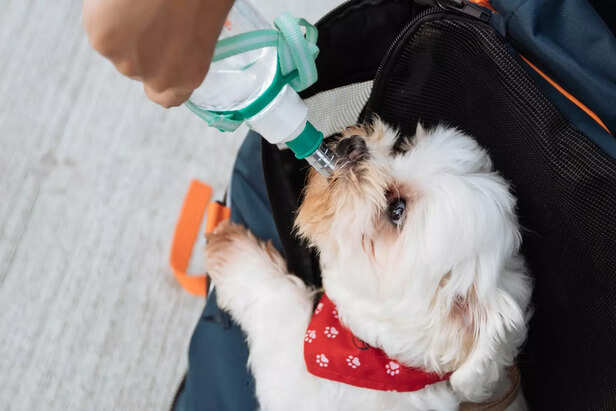
- For bleeding: Apply firm, gentle pressure with a clean towel or gauze to control bleeding.
- For choking: Carefully open the mouth and remove visible objects with tweezers.
- For burns: Run cool (not ice-cold) water over the affected area and cover it lightly with a clean cloth.
- For shock: Keep your pet warm and calm until veterinary help arrives.
- The American Veterinary Medical Association (AVMA) suggests that all pet owners maintain a basic first aid kit and avoid using human medicines on pets.
(Source: AVMA - Pet First Aid)
4. Learn How to Perform CPR on Pets

Red cross
Image credit : Unsplash
- For dogs: Lay the dog on its right side, close the mouth, and blow air into its nose every 2-3 seconds. Follow each breath with 30 chest compressions.
- For cats and small dogs: Use gentler compressions and smaller breaths.
- Continue CPR until your pet starts breathing on its own or medical help takes over.
- The American Red Cross emphasizes learning pet CPR techniques before emergencies occur.
(Source: American Red Cross - Pet CPR Guide)
5. Handle Common Emergencies the Right Way
- Poisoning: Contact your vet or the ASPCA Animal Poison Control Center right away. Never induce vomiting unless instructed.
- Heatstroke: Move your pet to a cool place, apply wet towels, and offer small amounts of water.
- Fractures: Support the injured limb with a towel or soft cloth and limit movement until the vet arrives.
- The CDC advises keeping pets away from household chemicals, outdoor toxins, and extreme heat to prevent such emergencies.
(Source: CDC - Pets and Health Emergencies)
6. Prepare a Pet Emergency Kit
Medicine
Image credit : Unsplash
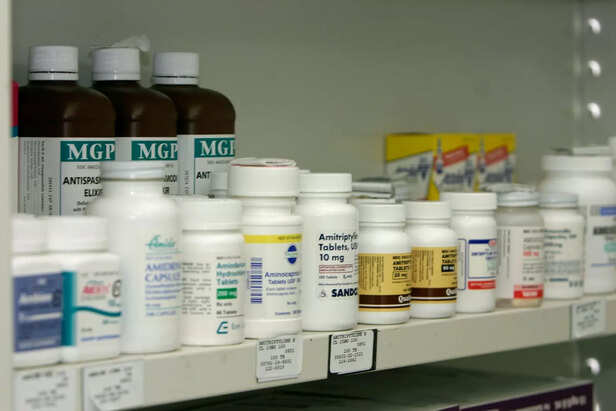
- Include sterile gauze, adhesive tape, antiseptic wipes, scissors, tweezers, a digital thermometer, a blanket, and your vet’s contact details.
- Store the kit in an easily accessible place at home and in your vehicle.
- The AVMA recommends updating the kit regularly and ensuring all family members know where it is kept.
(Source: AVMA - Emergency Preparedness for Pet Owners)
7. Plan Ahead for Emergency Vet Visits
- Save your veterinarian’s contact and the nearest 24-hour animal hospital number in your phone.
- Learn the fastest route to the clinic and plan alternate transportation options.
- The FDA advises displaying your vet’s number and the emergency clinic’s contact details where all family members can easily see them.
(Source: FDA - Emergency Pet Care)
8. Enroll in Pet First Aid and CPR Training

Cat
Image credit : Unsplash
- Join certified training programs by the American Red Cross or local animal welfare organizations.
- Practicing these skills helps you respond quickly and effectively during real emergencies.
- A few hours of training can prepare you to save your pet’s life in critical moments.
(Source: American Red Cross - Pet Safety and First Aid)
Emergencies involving pets can happen without warning, but preparation is the key to saving lives. Recognizing danger signs early, staying calm, and applying first aid until a vet is available can make all the difference.
A ready pet emergency kit, CPR knowledge, and a clear action plan ensure you never waste a moment when your pet needs you most. Because when it comes to your furry friend, every second truly counts.
Celebrate the bond with your pets, explore Health & Nutrition, discover Breeds, master Training Tips, decode Behavior, and set out on exciting Travel Tails with Times Pets!
Frequently Asked Questions (FAQs)
- What should I do if my pet stops breathing?
Start pet CPR immediately by giving two rescue breaths followed by 30 chest compressions. Continue until your pet begins breathing or veterinary help arrives. - How can I safely transport an injured pet?
Keep your pet as still as possible. Use a blanket or towel as a stretcher and avoid sudden movements. - Should I give my pet human medicines in emergencies?
No, never give human medications to pets. Some are highly toxic and can worsen their condition. Always consult your veterinarian. - How often should I check my pet’s first aid kit?
Review your emergency kit every six months to replace expired items and update contact information. - What is the most common pet emergency?
Choking, heatstroke, poisoning, and road accidents are among the most frequent pet emergencies. Quick recognition and first aid are vital.