
Ever Wondered Why Some Animals Grow Super Long Hair? It’s Not Just for Looks
Kashish Pandey | Jan 08, 2026, 11:00 IST

rough collie
Image credit : Pixabay
When we see animals with long, flowing hair, our first thought is often how beautiful or fluffy they look. But in nature, nothing exists just for beauty. Long hair helps animals survive cold, heat, danger, and even social situations. This article explains in simple, relatable language why some animals grow super long hair and how it quietly shapes their daily lives.
Long hair in animals, why animals have long fur, animal fur adaptation, thick fur animals, animal hair purpose, survival traits in animals are common questions asked by curious pet lovers and wildlife enthusiasts. At first glance, long fur may seem like a fashion choice of nature, but it plays a deep role in protection, comfort, and survival. Understanding why animals grow long hair helps us appreciate how thoughtfully nature designs every living being.
![landscape]() Animals do not have jackets, heaters, or fans. Their hair is their protection. In cold climates, long and thick fur traps warmth close to the body. Animals like yaks, musk oxen, and Arctic foxes survive freezing winds because their coats act like natural blankets.
Animals do not have jackets, heaters, or fans. Their hair is their protection. In cold climates, long and thick fur traps warmth close to the body. Animals like yaks, musk oxen, and Arctic foxes survive freezing winds because their coats act like natural blankets.
In hot areas, long hair works differently. It blocks harsh sunlight and creates shade for the skin. This helps prevent overheating and sun damage. What looks heavy to us is actually well balanced for the animal’s environment.
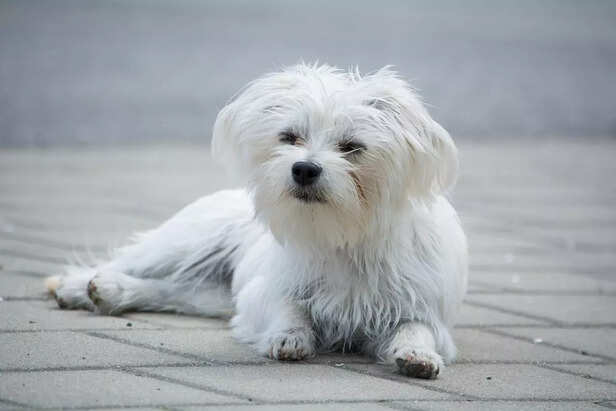
![dog]() In the wild, danger is always nearby. Thick and long hair adds a layer of safety. It cushions the skin during fights and makes it harder for predators to bite deeply.
In the wild, danger is always nearby. Thick and long hair adds a layer of safety. It cushions the skin during fights and makes it harder for predators to bite deeply.
Some animals puff up their fur when scared. This makes them look bigger and more threatening than they really are. That extra confidence can be enough to scare away predators and save their life.
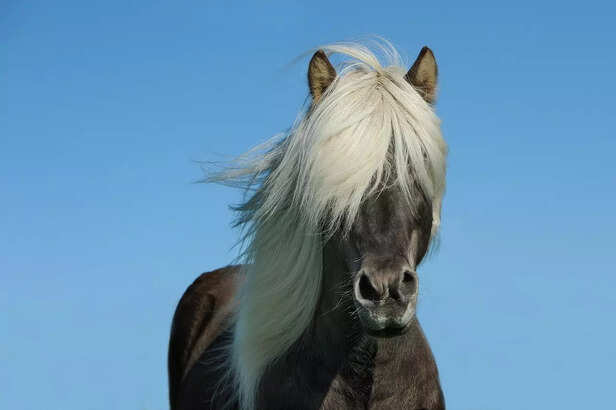
![horse]() In many species, long and healthy hair is attractive. It shows good health and strong genetics. During mating seasons, animals often appear fluffier and fuller due to hormonal changes.
In many species, long and healthy hair is attractive. It shows good health and strong genetics. During mating seasons, animals often appear fluffier and fuller due to hormonal changes.
This natural display helps animals stand out. A healthier looking coat often increases chances of finding a mate and passing on genes to the next generation.
Not all long hair is for warmth. Whiskers are special hairs that help animals understand their surroundings. Cats, seals, and rats use whiskers to feel movement and vibrations.
These hairs are connected to nerves and act like touch sensors. They help animals move safely in the dark or narrow spaces where eyesight may fail.
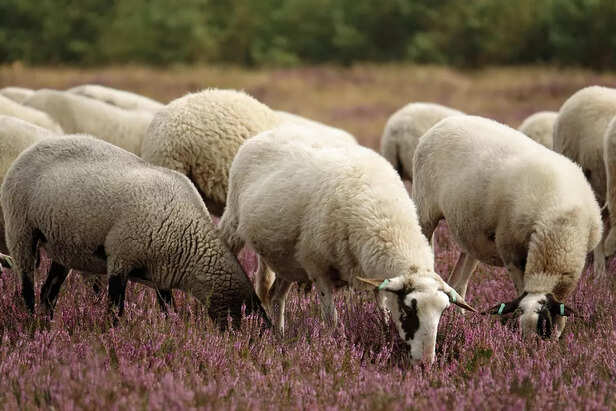
![heather]() Over time, animals evolved hair that suited their environment. Mountain animals developed thick coats. Forest animals developed fur that blends with leaves and shadows.
Over time, animals evolved hair that suited their environment. Mountain animals developed thick coats. Forest animals developed fur that blends with leaves and shadows.
Domesticated animals often have longer hair because humans bred them that way. Dogs like Afghan hounds and sheep like Merinos have coats designed more for appearance and wool than survival in the wild.
Why We Love
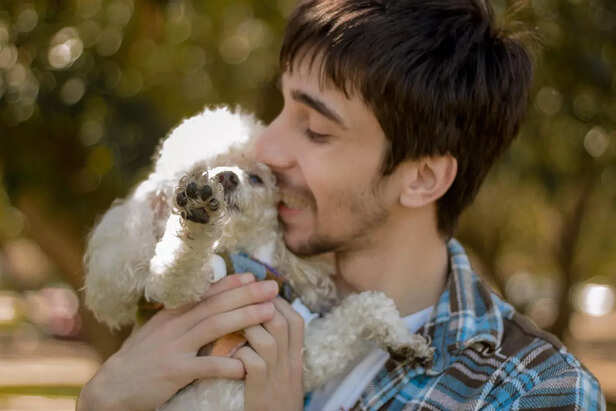
![boy]() Humans naturally feel comforted by soft and fluffy animals. Long hair makes animals look gentle, warm, and approachable. This emotional connection has shaped how we care for pets and animals.
Humans naturally feel comforted by soft and fluffy animals. Long hair makes animals look gentle, warm, and approachable. This emotional connection has shaped how we care for pets and animals.
However, animals with long hair need extra care. Grooming, cleanliness, and regular health checks are important to keep them comfortable.
Long hair in animals is not about beauty alone. It is about survival, comfort, communication, and connection. Every strand serves a purpose shaped by nature and time.
The next time you admire an animal’s long coat, remember it is not just fluff. It is a story of adaptation, resilience, and thoughtful design.
Discover expert advice and the latest tips on pet care, training, health, and more. Stay updated with all things pets at Times Pets!
Frequently Asked Questions[FAQs]
Long Hair Keeps Animals Comfortable in Tough Weather

landscape
Image credit : Pixabay
In hot areas, long hair works differently. It blocks harsh sunlight and creates shade for the skin. This helps prevent overheating and sun damage. What looks heavy to us is actually well balanced for the animal’s environment.
Long Fur Helps Animals Feel Safe
dog
Image credit : Pixabay
Some animals puff up their fur when scared. This makes them look bigger and more threatening than they really are. That extra confidence can be enough to scare away predators and save their life.
Long Hair Can Help Find a Mate
horse
Image credit : Pixabay
This natural display helps animals stand out. A healthier looking coat often increases chances of finding a mate and passing on genes to the next generation.
Some Hair Helps Animals Sense the World
These hairs are connected to nerves and act like touch sensors. They help animals move safely in the dark or narrow spaces where eyesight may fail.
Nature Grows Hair Where It Is Needed Most
heather
Image credit : Pixabay
Domesticated animals often have longer hair because humans bred them that way. Dogs like Afghan hounds and sheep like Merinos have coats designed more for appearance and wool than survival in the wild.
Why We Love Fluffy Animals So Much
boy
Image credit : Pixabay
However, animals with long hair need extra care. Grooming, cleanliness, and regular health checks are important to keep them comfortable.
Long hair in animals is not about beauty alone. It is about survival, comfort, communication, and connection. Every strand serves a purpose shaped by nature and time.
The next time you admire an animal’s long coat, remember it is not just fluff. It is a story of adaptation, resilience, and thoughtful design.
Discover expert advice and the latest tips on pet care, training, health, and more. Stay updated with all things pets at Times Pets!
Frequently Asked Questions[FAQs]
- Why do some animals have much longer hair than others?
Some animals grow longer hair because it helps them survive in their environment. Long hair can provide warmth, protection from heat, defense against predators, and support communication and mating. - Is long hair in animals only for cold climates?
No. While many cold region animals have long fur for insulation, animals in warmer climates also use long hair to protect their skin from sunlight and regulate body temperature. - Do animals shed their long hair?
Yes. Many animals shed seasonally. They grow thicker coats in winter and shed them in warmer months to stay comfortable. - Does long hair help animals sense their surroundings?
Yes. Certain long hairs like whiskers are sensory tools that help animals detect movement, vibrations, and nearby objects, especially in low light conditions.