The first vet visit is less an emergency and more a baseline, a record of what your pet looks like when nothing is wrong, so that anything that changes later has something to measure against. For a puppy or kitten picked up from a breeder or a shelter, it should happen within 48 to 72 hours of coming home, before the animal has had time to settle into habits that might mask early problems.
What the vet is actually doing during the examination
A physical examination at a first visit is systematic and takes roughly ten to fifteen minutes. The vet checks the eyes for discharge or cloudiness, the ears for mites or infection, the mouth for bite alignment and early dental issues, the skin and coat for parasites or fungal patches, the abdomen by feel for organ size and pain response, the limbs for gait and joint movement, the heart and lungs by stethoscope, and the lymph nodes for swelling. In a young animal, the vet is also checking whether the animal's development matches its stated age, a puppy or kitten whose teeth or bone structure do not match what the breeder claimed is worth noting early.
The vet will weigh your pet. This number matters more than most owners realise. Every future medication dose, every dewormer, every anaesthetic calculation is tied to body weight. A weight recorded at eight weeks and again at sixteen weeks tells the vet whether growth is on track.
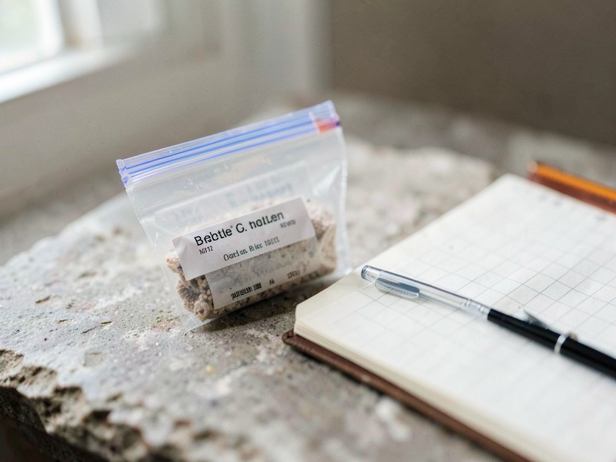
![Stool Sample Preparation]()
Stool Sample Preparation
Image credit : AI
Gathering a stool sample for my pet's first vet visit. Essential for diagnosis and care.
What to bring to make the visit useful
Bring any documents that came with the animal: a vaccination card if one was given, a deworming record, a health certificate from a breeder or shelter. If you have none of these, say so directly, the vet will start a record from scratch and that is fine. Do not guess at dates you do not know.
Bring a stool sample if you can collect one from the previous 12 hours, sealed in a clean container or a zip-lock bag. Intestinal worms are common in puppies and kittens and are not always visible to the naked eye. A faecal test done at the first visit saves a return trip.
Bring a list of what the animal has been eating, the brand, the type (dry, wet, home-cooked), and roughly how much per day. If a neighbour, a shelter volunteer, or a breeder has been feeding the animal something different from what you plan to continue, mention that too. Abrupt diet changes in a young animal cause digestive upset that can be mistaken for illness.
If the animal came from a breeder and you were given a diet sheet, bring it. If you have been feeding something home-cooked, describe it honestly. A vet cannot advise on nutrition without knowing where the animal is starting from.
Vaccines, deworming, and what gets scheduled
For a puppy in India, the core vaccination schedule typically begins at six to eight weeks with the combination vaccine covering distemper, parvovirus, hepatitis, and leptospirosis, followed by boosters at intervals the vet will specify based on the animal's age at first visit. Rabies vaccination is required by law and is usually given at 12 to 16 weeks. The vet will write out a schedule; follow it. Gaps in the puppy vaccination window leave an animal genuinely vulnerable.
For a kitten, the core vaccines cover feline panleukopenia, calicivirus, and rhinotracheitis. The schedule follows the same principle of a primary course followed by boosters.
Deworming is almost always recommended at the first visit regardless of whether worms are visible, because roundworm and hookworm larvae in young animals are common and some are transmissible to people. The vet will prescribe the appropriate product and dose based on the animal's weight, do not use a product bought at a pet shop without asking, and never use a human dewormer on a pet.
Tick and flea prevention will come up. Ask the vet which product suits your area and your animal's age and weight. Products vary significantly in how they work, how long they last, and what is safe for a kitten versus a puppy, or a very young animal versus one over eight weeks. This is not a decision to make based on a recommendation from a pet store.
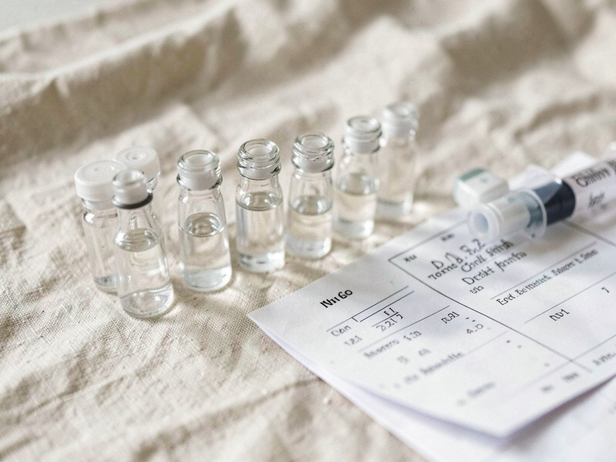
![Vials and Syringe Cap]()
Vials and Syringe Cap
Image credit : AI
Preparing for a pet's first vet visit. Essential items laid out for a new pet.
How to handle the animal during the visit
Bring the animal in a carrier or on a leash. A cat loose in a waiting room or a puppy that has not been vaccinated yet mixing with other dogs in a clinic waiting area are both risks, one to the animal, one to others. Keep the carrier covered with a light cloth for a cat; it reduces visual stress. For a puppy, hold it or keep it on your lap rather than letting it sniff the floor of a clinic where sick animals have been.
Tell the vet if the animal has shown any specific behaviour at home: not eating, loose stools, sneezing, scratching, or limping, even if it seemed minor and has stopped. A symptom that resolved on its own is still information. Tell the vet where you got the animal, how long you have had it, and whether it has been around other animals.
If the animal is visibly distressed, panting heavily, trembling, refusing to be examined, say so and ask whether a second visit in a calmer state would give more accurate results. Some vets will note a stress response and adjust their interpretation of heart rate and blood pressure accordingly.
When the first visit becomes urgent rather than routine
A first visit scheduled as a routine check becomes urgent if the animal has not eaten in more than 24 hours, has had more than two episodes of vomiting or diarrhoea in a day, is lethargic to the point of not responding to its name, has visible difficulty breathing, or has a swollen abdomen. In any of these cases, do not wait for a scheduled appointment, call the clinic and describe what you are seeing. A blocked male kitten, a puppy that has swallowed something, or an animal in respiratory distress needs to be seen the same day. The first vet visit is a baseline appointment; it is not the right frame for an animal that is already unwell.