Around the time a dog's muzzle starts going grey, its body is already running a different set of calculations than it did at two or three years old. Metabolism slows, muscle mass drops even in dogs that look fine, kidneys begin to work less efficiently, and joints that absorbed years of jumps and sprints start to show it. None of this is sudden, and none of it is fixed by switching to a bag labelled "senior". What it does require is understanding what has actually changed, and adjusting the bowl accordingly.
When does a dog become a senior, and why it matters for feeding
The answer depends on size, not age in the way most owners expect. Small breeds, under 10 kg, typically enter their senior phase around 10 to 11 years. Medium breeds cross it closer to 8 to 9. Large and giant breeds, which age faster, are often considered senior from 6 or 7 years onward. This matters because a seven-year-old Labrador and a seven-year-old Dachshund are at completely different biological stages, and feeding them identically makes no sense.
The shift is not cosmetic. Gastric motility slows, meaning food moves through the gut more gradually. The pancreas produces fewer digestive enzymes. The liver and kidneys process waste products less efficiently. Lean muscle mass declines even in dogs that are not visibly thin, a condition called sarcopenia, the same process that happens in ageing humans. Each of these changes has a direct implication for what the dog needs in its bowl.
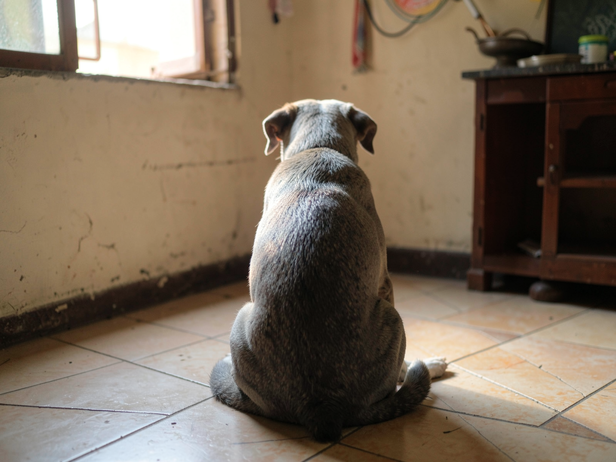
![Senior Dog's Quiet Afternoon]()
Senior Dog's Quiet Afternoon
Image credit : AI
This senior dog enjoys a peaceful moment indoors. Considering what to feed an old dog is important for their well-being.
Protein: the nutrient most owners get wrong in senior dogs
The old advice was to reduce protein in senior dogs to protect the kidneys. That advice has been substantially revised. For a dog with healthy kidneys, cutting protein in old age is now understood to make things worse, not better, it accelerates the muscle loss that already comes with ageing, leaving the dog weaker and more prone to injury.
Senior dogs with healthy kidney function generally need more high-quality protein than middle-aged dogs, not less, precisely because their bodies are less efficient at using it to maintain muscle. The keyword is quality: protein from meat, eggs, or fish that is highly digestible, not protein padded with plant-based fillers that the ageing gut handles less well.
The exception is real, and it matters. A dog with confirmed chronic kidney disease (CKD) is a different case entirely. In CKD, the kidneys can no longer clear the waste products of protein metabolism, and a vet-prescribed phosphorus-restricted, moderate-protein diet becomes appropriate. That call belongs to a vet with bloodwork in hand, not to a general feeding guide, and not to a bag label. If your senior dog has not had kidney function checked recently, that is the first conversation to have with your vet before changing anything.
Calories, weight, and the muscle problem that looks like fat
Most senior dogs need fewer calories than they did at peak activity. Metabolic rate drops, exercise tolerance often drops, and the same cup of food that kept a five-year-old dog lean will slowly put weight on a ten-year-old. Obesity in senior dogs is genuinely harmful, it loads already-stressed joints, worsens insulin sensitivity, and puts pressure on the heart and respiratory system.
At the same time, some senior dogs go the other way: they lose weight despite eating the same amount, because digestion has become less efficient and muscle is quietly disappearing. A dog that looks lean but feels loose, muscle gone from the hindquarters and spine, is not doing well even if the number on the scale seems acceptable. This is where body condition scoring, done with hands on the dog rather than eyes alone, matters more than weight.
Caloric density and meal frequency often need adjustment together. Two smaller meals rather than one large one can ease the load on a slower digestive system and help maintain steadier energy. For dogs losing weight despite adequate food, a more calorie-dense, highly digestible food often helps more than simply feeding more of the same thing.
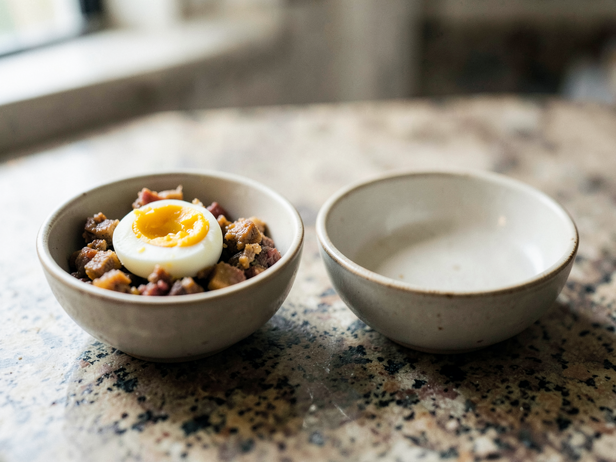
![Morning Meal Prep]()
Morning Meal Prep
Image credit : AI
I'm preparing a healthy meal for my ageing dog, ensuring it's easy to eat and digest.
Joints, fat, and what omega-3s actually do
Omega-3 fatty acids, specifically EPA and DHA, found in fish oil and oily fish, have good evidence behind them for supporting joint health and reducing inflammation in dogs with osteoarthritis. They work by competing with the inflammatory pathways that drive joint pain, not by rebuilding cartilage. The effect is real but modest: it supports comfort and mobility alongside other management, not instead of it.
Many senior dog foods include omega-3s, but the amounts vary widely and the source matters, fish-derived EPA and DHA are more bioavailable than plant-derived ALA. Whether a dog needs supplementation on top of its food is a question for a vet who has assessed the dog's joints. Glucosamine and chondroitin appear in many senior formulas; the evidence for them in dogs is less consistent than for omega-3s, and they are not a substitute for veterinary management of diagnosed arthritis.
One Indian feeding habit worth naming: leftover dal, roti, or rice given as a supplement to a senior dog's main diet can push the calorie balance without contributing much protein or fat the dog can use well. Plain cooked rice in small amounts is fine as a filler or for a dog with a sensitive stomach. Roti, made with salt, sometimes oil, adds sodium that an ageing kidney does not need in quantity. It is not an emergency, but it is worth thinking about if it is a daily habit.
What a vet needs to tell you that a bag label cannot
Senior dog nutrition is the one life stage where a vet check genuinely changes what goes in the bowl. Bloodwork, specifically a complete blood count and a biochemistry panel that includes kidney and liver values, tells you whether the kidneys are coping, whether the liver is processing normally, and whether thyroid function is normal. An underactive thyroid, common in older dogs, causes weight gain and lethargy that looks like ordinary ageing but responds to treatment.
Dental health also affects feeding in ways owners underestimate. A dog with painful teeth or gum disease eats less, chews less, and absorbs less from its food. A senior dog that has become picky or slow at meals deserves a dental check before a food change.
If your senior dog is losing weight, gaining weight despite no change in feeding, drinking noticeably more water, or becoming reluctant to eat, these are signs that need a vet appointment, not a new bag of food. The bowl matters, but it works best when a vet has confirmed what the dog's body is actually dealing with.