A spoonful of plain curd on rice is one of the most common home additions to a dog's meal in Indian households. It feels natural, it is something most families have in the fridge, and it seems harmless. For many dogs it is fine. For others, it quietly causes loose stools, gas, and an unsettled stomach that owners often blame on something else entirely.
What curd actually contains
Curd made from cow's milk is a fermented dairy product. The fermentation process converts most of the lactose into lactic acid, which is why curd is easier on the gut than fresh milk for many animals. What remains is a reasonable source of protein, calcium, phosphorus, and live bacterial cultures, the same Lactobacillus strains that make curd useful for human digestion.
Dogs are not strict carnivores the way cats are, so they can extract some nutrition from dairy. The protein in curd is complete, meaning it carries all essential amino acids. The calcium and phosphorus ratio in dairy is well-suited to bone health. The bacterial cultures, if the curd is fresh and unpasteurised after fermentation, may support gut flora, though the evidence in dogs is considerably thinner than the evidence in humans, and no veterinary body currently recommends curd as a probiotic substitute.
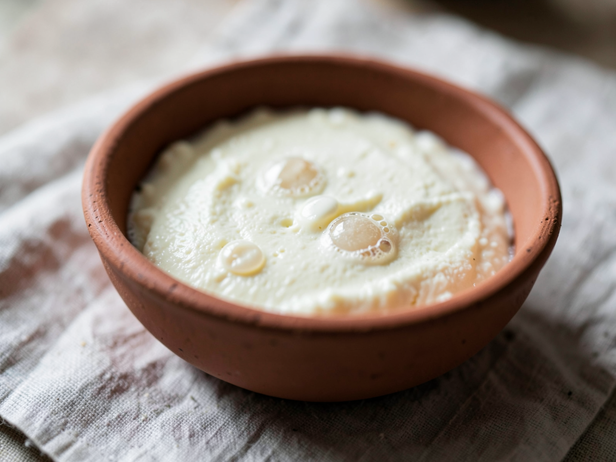
![Fresh Curd in Clay Bowl]()
Fresh Curd in Clay Bowl
Image credit : AI
I'm examining fresh curd, noting the visible culture bubbles. This dairy addition could be beneficial for dogs with upset stomachs.
The lactose problem and which dogs it affects
Dogs produce lactase, the enzyme that breaks down lactose, in much smaller quantities than humans do. Puppies produce more of it than adults, because milk is their first food. As dogs mature, lactase production drops. How far it drops varies by individual and, to a lesser degree, by breed.
Because curd has already had most of its lactose converted during fermentation, it sits lower on the digestive difficulty scale than milk, cream, or paneer. A dog that cannot tolerate a bowl of milk may manage two tablespoons of curd without any visible reaction. But lower lactose is not zero lactose. Dogs with significant lactase deficiency will still react, and the reaction is gastrointestinal: loose or watery stools, flatulence, and occasionally vomiting within a few hours of eating.
Fat content is a separate issue. Full-fat curd adds calories and saturated fat. For a dog already eating a complete commercial diet, the extra fat load from daily curd can contribute to weight gain over time. In dogs predisposed to pancreatitis, Miniature Schnauzers, Cocker Spaniels, and some terrier types carry a higher risk, repeated fat spikes can trigger an episode. Low-fat curd sidesteps the fat concern but does not change the lactose picture.
When curd is reasonable to give
Curd works best as an occasional addition rather than a daily staple. Plain, unsweetened, unflavoured curd, with no added salt, no sugar, no fruit, and no artificial sweetener, is the only form that belongs in a dog's bowl. Flavoured yogurts and sweetened curd desserts are off the table entirely. Xylitol, an artificial sweetener used in some low-sugar dairy products, is acutely toxic to dogs even in small amounts; it causes a rapid drop in blood sugar and can cause liver failure.
A reasonable starting amount for a medium-sized dog is one to two tablespoons alongside a meal, not as a meal. Watch for any digestive change over the following twenty-four hours. If the stool stays normal and there is no gas or discomfort, the dog is tolerating it. If the stool loosens or the dog seems gassy and uncomfortable, curd is not a good fit for that animal and there is no value in persisting.
Curd is not a treatment for diarrhoea. The idea that it settles an upset stomach comes from human experience with probiotics, but a dog with active diarrhoea needs the cause identified, not a dairy addition that may make loose stools worse.
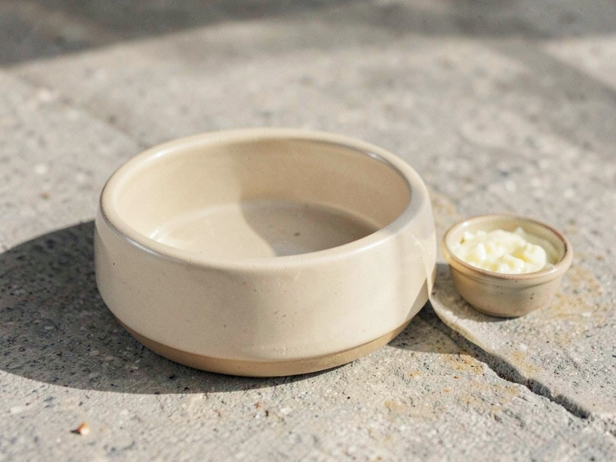
![Dog bowl with curd]()
Dog bowl with curd
Image credit : AI
A dog bowl with curd, a simple addition for dogs. Can dogs eat curd in India?
When to stop and call a vet
Occasional soft stools after a new food are common. Diarrhoea that continues beyond twenty-four hours, vomiting alongside loose stools, blood in the stool, or a dog that seems lethargic and is not eating are signs that something beyond food intolerance is happening. These warrant a vet call the same day, not a wait-and-watch approach at home.
A dog that consistently produces loose stools, has chronic gas, or loses weight despite eating well should be assessed by a vet before any dietary change, curd included. Persistent digestive symptoms in dogs can point to inflammatory bowel conditions, parasites, or pancreatic insufficiency, none of which curd addresses.
Curd is also not appropriate for dogs on a prescription diet for kidney disease or urinary conditions. The phosphorus in dairy can be a concern for dogs with compromised kidney function, and any addition to a therapeutic diet should be cleared with the vet managing the case.
The calcium in curd is not a reason to give it to large-breed puppies. Large breeds such as Labradors, German Shepherds, and Great Danes have tightly controlled calcium requirements during growth. Excess calcium in puppies of these breeds is linked to skeletal developmental problems; their calcium intake should come from a properly formulated puppy food, not supplementary dairy.
Plain curd in small amounts is one of the safer human foods a dog can have, but safer than most is not the same as beneficial for all. Whether it belongs in your dog's bowl depends on how that specific dog's gut handles dairy, what else is in the diet, and whether the dog has any underlying condition that changes the calculation.