
Common Summer Allergies in Pets and Treatments
Upasna Yadav | Mar 21, 2026, 12:07 IST

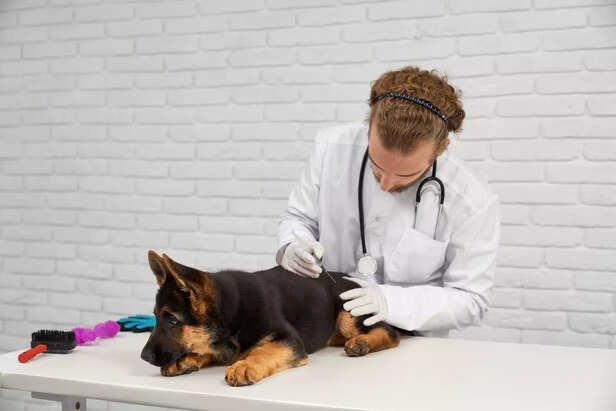
Administering Allergy Medication to a Dog
Similar to humans, dogs can have seasonal allergies. Dog seasonal allergies happen when a dog’s immune system overreacts to environmental triggers like pollen, grass, mold, or dust that are more prevalent at certain times of year. Dogs with seasonal allergies can be itchy in specific areas, such as their paws, or be itchy all over. They can also have recurring ear infections and skin infections.
Highlights
1. Summer is here, and if your pet is itching, scratching, and sneezing, pet allergies could be to blame. Seasonal allergies in pets can make our furry companions very uncomfortable, so we points out the signs and symptoms of pet allergies so you can seek fast relief for your itchy pets.
2. Both cats and dogs can have reactions to common allergens, and we have plenty of those in Washington. With warmer weather comes beautiful blooms; the return of pesky pests like fleas, ticks, and mosquitoes; and an uptick in humidity, all of which can trigger pet allergies.
3. Allergy relief for pets is just a phone call away. If you suspect your pet has allergies, treat them with a proper diagnosis and an effective treatment plan, you can help your pet feel his or her best throughout allergy season and beyond.
2. Both cats and dogs can have reactions to common allergens, and we have plenty of those in Washington. With warmer weather comes beautiful blooms; the return of pesky pests like fleas, ticks, and mosquitoes; and an uptick in humidity, all of which can trigger pet allergies.
3. Allergy relief for pets is just a phone call away. If you suspect your pet has allergies, treat them with a proper diagnosis and an effective treatment plan, you can help your pet feel his or her best throughout allergy season and beyond.
What Are Seasonal Allergies in Dogs?

Flea Control Treatment for Dogs in Summer
Seasonal allergies in dogs, also known as atopic dermatitis, occur when a dog’s immune system mistakes harmless substances in the environment for threats. These reactions typically occur during certain times of the year, but timing varies depending on where you live, the allergens present, and the triggers to which your dog is sensitive. Unlike food allergies or year-round environmental allergies, seasonal allergies flare only when specific allergens are at high levels.
What Causes Dog Seasonal Allergies?
The following allergens commonly cause seasonal allergies in dogs:
- Grass pollen
- Tree pollen
- Weed pollen
- Mold
- Dust mites and storage mites
What Are the Symptoms of Dog Seasonal Allergies?
- Excessive licking, usually of the paws, but the licking can be anywhere on the body
- Saliva staining of the fur where the dog is licking the skin excessively
- Chewing/gnawing
- Scratching
- Hair loss
- Redness of the skin
- Crust
- Moist skin
- Darkening of the skin (black pigmented skin)
- Pawing at the ears, eyes, or face
Allergy Relief for Pets
Regular Grooming Routine for Allergy Prevention
The first step in finding allergy relief for pets is to schedule a comprehensive veterinary examination. Some allergy symptoms can also be signs of illnesses such as respiratory infections, so an accurate diagnosis is needed. If we determine that pet allergies are causing your pet’s discomfort, we will put together a treatment plan that includes medications, preventive measures, and suggestions for changes to the pet’s home environment, such as:
- Groom your pet regularly to remove allergens from fur and skin
- Wipe off your pet’s paws after being outdoors
- Use only hypoallergenic shampoos and conditioners designed for pets.
- Properly administer prescribed medications, such as Cytopoint injections, Apoquel chewable tablets, or corticosteroids.
- Use veterinarian-recommended flea and tick prevention all year.
- Limit your pet’s exposure to known allergens
- Use only pet-safe cleaning products around the house.
- Limit usage of air fresheners
- Keep windows closed on days when pollen counts are high.
- Feed your pet hypoallergenic or limited-ingredient foods (but only after consulting with your veterinarian).
- Reduce allergens in your home by vacuuming and dusting frequently
- Use a home air purifier to curb airborne allergy.
Celebrate the bond with your pets, explore Health & Nutrition, discover Breeds, master Training Tips, Behavior Decoder, and set out on exciting Travel Tails with Times Pets!
Frequently asked questions (FAQs)
- How can I prevent summer allergies in my pet?
Preventive measures include regular flea and tick control, grooming, avoiding allergen-heavy environments, providing a balanced diet, and keeping your pet cool and clean during hot weather. - When should I take my pet to the vet for allergies?
Visit a vet if symptoms persist, worsen, or include severe itching, open sores, swelling, or signs of infection. Early treatment helps prevent complications. - Can heat itself cause allergies in pets?
Heat doesn’t directly cause allergies, but it can worsen skin conditions and make pets more sensitive to allergens like pollen, fleas, and bacteria, leading to irritation and infections.