
Debunking Pet Health Myths: What Every Owner Should Know
Anant Singh | Sept 02, 2025, 12:35 IST

Cute Outdoor Moment
Image credit : Unsplash
Everyone wants the best for the pet, but the problem is with the owners being bombarded with information from every corner. Be it their family, friends and even vets, everyone has an opinion of their own. Not that they are not entitled to one, the opinion should be based of facts rather than myths floating about in the air. Today we will be busting a few myths regarding pet healthcare and clear the air once and for all.
Myth 1: Eating grass means they are sick

A dog sniffing the grass during a walk
Image credit : Freepik
Myth vs Fact
- Myth: Grass-eating means sickness.
- Fact: Most dogs eat grass for enjoyment.
The real fact is that dogs eat grass simply because it is a natural digestive for them. Also, the main reason dogs are seen gobbling up grass is because they like the texture of it.
Myth 2: Dry nose is an indication for panic

A Chihuahua licking its nose
Image credit : Freepik
Myth vs Fact
- Myth: A dry nose means sickness.
- Fact: Look at your pet’s overall behaviour.
All the vets put pressure on this point that a dry nose is not the symptom. Owners should actually be looking for real signs of illness rather than touching the nose every now and then. Signs like loss of appetite, coughing, sneezing, or unusual behaviour are reliable signs of an animal being sick.
Myth 3: Cats never land on their back
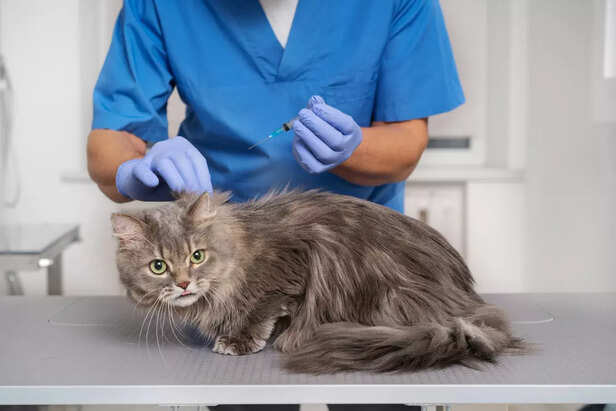
Veterinarian Treating Injured Cat After a Fall
Image credit : Freepik
Myth vs Fact
- Myth: Cats are invincible to falls.
- Fact: Cats do suffer serious injuries from falls.
American Veterinary Medical Association (AVMA) states that, falls from even the lowest height can cause fatal injuries like broken bones, internal injuries and even head injuries. ASPCA (American Society for the Prevention of Cruelty to Animals) says that approximately 130,000 cats suffer injuries due to falling from heights.
Myth 4: Switch to Grain-Free foods

Dog Eating Dry Kibble
Image credit : Freepik
Myth vs Fact
- Myth: Grain-free means healthier.
- Fact: Most pets thrive on balanced diets.
U.S. Food & Drug Administration (FDA) conducted a research to link grain-free pet food with heart diseases in dogs. The research concluded that deprivation of grains in the body leads to decreased nutrients like fibre and vitamins. Only dogs that should avoid grains are those who have food allergies, and they are less than 1% of the entire population according to veterinaries.
Myth 5: Chew toys are dental care

Playing with Blue Chew Toy
Image credit : Unsplash
Myth vs Fact
- Myth: Chew toys are dental care.
- Fact: Pets need dental care.
According to The American Veterinary Dental College (AVDC), they say that by the age of three, 80% of dogs and 70% of cats have some kind of dental diseases. Chewing toys helps keep their teeth clean to a certain extent, but that does not mean it is 100% efficient.
Myth 6: Pets are safe indoors

Two Cats Relaxing in Sunlit Living Room
Image credit : Unsplash
Myth vs Fact
- Myth: Indoor pets are completely safe from diseases.
- Fact: Indoor pets are also prone to falling sick to diseases.
The Center for Disease Control and Prevention (CDC) states that rabies, though rarely found in countries, is fatal even if one symptom appears. To take precautions annual visits to the clinic and full body checkups are a must. It is not about just curing the illness, it is about catching health issues earlier.
Your choice for your family member

Dog Being Petted
Image credit : Unsplash
Some of these myths sound comforting and logical and that is a major reason why people tend to believe them. But on the other hand, facts must always out weigh folklore.
According to the American Pet Association, 67% of American households own pets. If myths spread like wildfire through all those families, animal hospitals will be flooded with little furry patients who have fallen sick because of their owners were not well informed.
The next time a person gives you advice for your companion, make sure it is backed by science and not by old rumoured myths.
Discover expert advice and the latest tips on pet care, training, health, and more. Stay updated with all things pets at Times Pets!
Frequently Asked Questions (FAQs)
- Is a warm, dry nose always a sign my dog is sick?
No, nose temperature and moisture vary naturally and don’t always indicate illness. - Do cats always land on their feet without injury?
No, cats can get seriously hurt from falls despite their agility. - Do pets eat grass only when they’re sick?
No, many pets eat grass out of habit, boredom, or taste, not always due to illness. - Is grain-free food always healthier for pets?
No, grain-free diets aren’t automatically healthier and may even pose risks if not balanced.