
Common Nutritional Deficiencies in Pet Turtles and How to Avoid Them
Upasna Yadav | Apr 14, 2026, 12:00 IST

Variety of Foods for Pet Turtles Including Vegetables and Protein Sources
Image credit : Freepik
Pet turtles are fascinating and long-lived companions, but their health largely depends on proper nutrition. Many turtle owners unknowingly provide imbalanced diets, leading to serious nutritional deficiencies that can affect growth, shell strength, immunity, and overall lifespan. Understanding these deficiencies and taking preventive steps is essential for ensuring a healthy and thriving turtle. This article explores the most common nutritional deficiencies in pet turtles and provides practical ways to avoid them through balanced feeding, supplementation, and proper care.
Highlights
1. Nutritional deficiencies are a major cause of health issues in pet turtles. Calcium and vitamin deficiencies can lead to serious shell and bone problems.
2. Balanced diets must include fresh vegetables, protein, and supplements. UVB lighting and sunlight are essential for proper nutrient absorption.
3. Variety in diet prevents long-term deficiencies. Regular monitoring and proper care ensure a healthy and long life for pet turtles.
2. Balanced diets must include fresh vegetables, protein, and supplements. UVB lighting and sunlight are essential for proper nutrient absorption.
3. Variety in diet prevents long-term deficiencies. Regular monitoring and proper care ensure a healthy and long life for pet turtles.
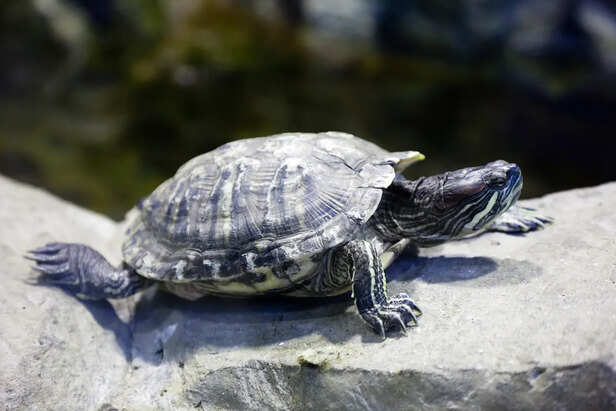
Fresh Vegetables and Good Fats for Healthy Turtle Growth
Image credit : Freepik
Turtles have specific dietary requirements that vary depending on their species, age, and habitat (aquatic, semi-aquatic, or terrestrial). A lack of proper nutrients can lead to long-term health complications. Unfortunately, many pet turtles suffer due to monotonous diets, over-reliance on commercial food, or lack of knowledge about supplementation.
1. Calcium Deficiency
Causes
Absence of UVB lighting (needed for calcium absorption)
Imbalanced calcium-to-phosphorus ratio
2. Vitamin A Deficiency
Causes
Lack of fresh vegetables
3. Protein Imbalance
Causes
Ignoring plant-based components for omnivorous turtles
4. Vitamin D3 Deficiency
Causes
Poor supplementation
5. Fiber Deficiency
Causes
Overfeeding processed pellets
6. Dehydration and Electrolyte Imbalance
Causes
Dirty or insufficient water supply
Inadequate soaking for terrestrial turtles
7. Lack of Dietary Variety
Causes
Ignoring natural dietary diversity
Preventive Tips for a Balanced Turtle Diet
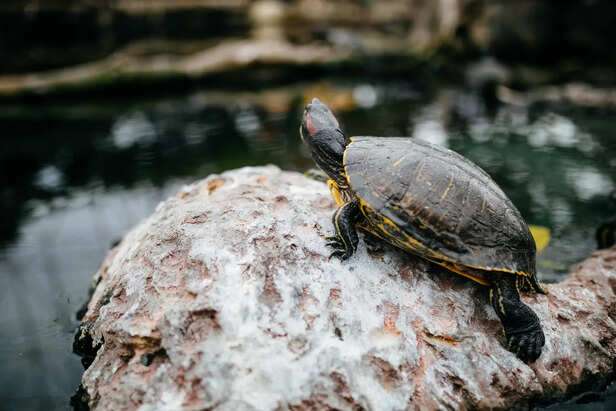
Aquatic Turtle Feeding with Protein and Fat-Rich Foods
Image credit : Freepik
- Understand your turtle’s species-specific needs
- Combine commercial pellets with fresh food
- Provide proper lighting and habitat conditions
- Monitor feeding habits and adjust portions
- Consult a veterinarian for diet planning
How to Avoid These Problems in Turtles ?
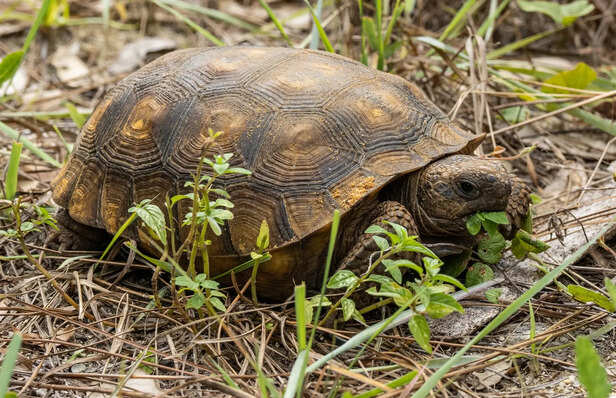
Natural Diet of Turtles: Plants, Insects, and Healthy Lipids
Image credit : Freepik
- Provide calcium-rich foods like leafy greens and cuttlebone
- Use calcium supplements when necessary
- Ensure proper UVB lighting exposure
- Include vitamin A-rich foods such as carrots, squash, and dark leafy greens
- Rotate food items to maintain dietary diversity
- Maintain a balanced diet based on species (herbivore, omnivore, carnivore)
- Follow age-specific feeding guidelines
- Include vitamin A-rich foods such as carrots, squash, and dark leafy greens
- Rotate food items to maintain dietary diversity
- Provide regular exposure to natural sunlight or UVB lamps
- Use D3 supplements if recommended
- Include high-fiber foods like leafy greens and aquatic plants
Celebrate the bond with your pets, explore Health & Nutrition, discover Breeds, master Training Tips, Behavior Decoder, and set out on exciting Travel Tails with Times Pets!
Frequently asked questions (FAQs)
- How do I know if my turtle has a nutritional deficiency?
Signs of nutritional deficiencies include soft or misshapen shells, swollen eyes, lethargy, loss of appetite, and abnormal growth. Behavioral changes such as reduced activity or difficulty swimming can also indicate health issues. Regular observation and early intervention are crucial to prevent severe complications. - Can I rely only on commercial turtle food?
No, relying solely on commercial turtle food is not recommended. While pellets are formulated to provide balanced nutrition, they often lack the freshness and variety needed for optimal health. A combination of pellets, fresh vegetables, and protein sources ensures a more complete diet. - Is sunlight necessary for turtles even if I use UVB lamps?
Yes, natural sunlight is highly beneficial as it provides a full spectrum of light that artificial lamps may not completely replicate. However, UVB lamps are essential when natural sunlight is not available. A combination of both ensures proper vitamin D3 synthesis and overall well-being.