
Cockatiel Care: Essential Vitamins and Minerals for Optimal Health
Upasna Yadav | Apr 13, 2026, 12:03 IST

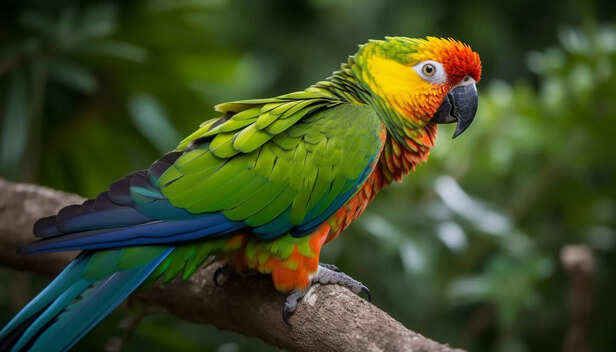
Healthy Cockatiel with Vibrant Feathers
Image credit : Pexels
The Cockatiel is a popular and affectionate pet bird known for its playful nature and charming crest. Ensuring optimal health for cockatiels goes beyond basic feeding it requires a balanced intake of essential vitamins and minerals. Proper nutrition supports strong immunity, vibrant feathers, healthy bones, and overall well-being. This article explores the key nutrients cockatiels need, their benefits, and how to incorporate them into a daily diet.
Highlights
1. A balanced diet is crucial for maintaining the overall health of a Cockatiel, preventing common nutritional deficiencies. Vitamin A plays a key role in supporting strong immunity, clear vision, and vibrant feather coloration.
2. Over-reliance on seed-based diets can lead to serious health issues due to lack of essential nutrients. Fresh vegetables like carrots, spinach, and bell peppers provide natural sources of vital vitamins.
3. Mineral blocks and cuttlebone are simple yet effective ways to supplement calcium intake. Vitamin E acts as an antioxidant, helping protect cells and improve immune response.
2. Over-reliance on seed-based diets can lead to serious health issues due to lack of essential nutrients. Fresh vegetables like carrots, spinach, and bell peppers provide natural sources of vital vitamins.
3. Mineral blocks and cuttlebone are simple yet effective ways to supplement calcium intake. Vitamin E acts as an antioxidant, helping protect cells and improve immune response.
Understanding Cockatiel Nutritional Needs
Balanced Diet for Cockatiels
Image credit : Freepik
Cockatiels need a diverse diet that consists of high-quality pellets, a limited amount of seeds, and fresh fruits and vegetables. Although seeds are often favored, they lack many vital nutrients and should not be the only food provided. A balanced diet ensures your bird gets the necessary vitamins and minerals for long-term well-being.
Vitamin A: Important for Vision and Immune Health
Vitamin D3: Essential for Calcium Absorption
Calcium: For Strong Bones and Beaks
Magnesium and Phosphorous for Supporting metabolism
Vitamin E: Reproductive and immune system
Iodine For thyroid function
Incorporating Nutrients into Daily Diet
Cockatiel Eating Fresh Vegetables
Image credit : Freepik
To ensure balanced nutrition, offer a mix of:
- High-quality pellets (primary diet)
- Fresh vegetables (daily)
- Fruits (in moderation)
- Seeds and nuts (as treats)
Celebrate the bond with your pets, explore Health & Nutrition, discover Breeds, master Training Tips, Behavior Decoder, and set out on exciting Travel Tails with Times Pets!
Frequently asked questions (FAQs)
- Are vitamin supplements necessary for cockatiels?
If your Cockatiel is on a balanced pellet-based diet, supplements may not be necessary. However, birds on seed-heavy diets may require supplementation under veterinary guidance. - How can I provide calcium to my cockatiel?
You can provide calcium through cuttlebone, mineral blocks, and calcium-rich foods like kale and broccoli. Ensuring proper Vitamin D3 intake is also important for calcium absorption. - How do I know if my cockatiel has a nutrient deficiency?
Signs include dull feathers, lethargy, weight loss, breathing issues, and changes in behavior. If you notice these symptoms, consult an avian veterinarian promptly.