
Boosting Immunity in Pets Through Nutrition
Upasna Yadav | Apr 15, 2026, 12:22 IST

Healthy Diet for Strong Pet Immunity
Image credit : Pexels
A strong immune system is the foundation of a healthy, happy pet. Just like humans, pets rely heavily on proper nutrition to fight infections, recover from illness, and maintain overall vitality. This article explores how balanced diets, essential nutrients, and mindful feeding habits can naturally strengthen your pet’s immune defenses.
Highlights
1. Antioxidants help protect pets from cellular damage and aging. Nutritional needs vary depending on the pet’s age and life stage. Stress management is crucial for maintaining immune health.
2. Regular veterinary care enhances the benefits of proper nutrition. Fresh, natural foods are more beneficial than heavily processed diets.
3. A healthy gut directly supports a stronger immune system. Consistency in diet and routine leads to long-term health benefits. Early dietary care can prevent many chronic diseases in pets.
2. Regular veterinary care enhances the benefits of proper nutrition. Fresh, natural foods are more beneficial than heavily processed diets.
3. A healthy gut directly supports a stronger immune system. Consistency in diet and routine leads to long-term health benefits. Early dietary care can prevent many chronic diseases in pets.

Nutrient-Rich Foods for Pets
Image credit : Pexels
Pets, whether dogs, cats, birds, or small mammals, are exposed to various environmental stressors and pathogens daily. A well-balanced diet plays a crucial role in supporting their immune system. Proper nutrition not only prevents diseases but also enhances longevity and quality of life.
The Link Between Nutrition and Immunity
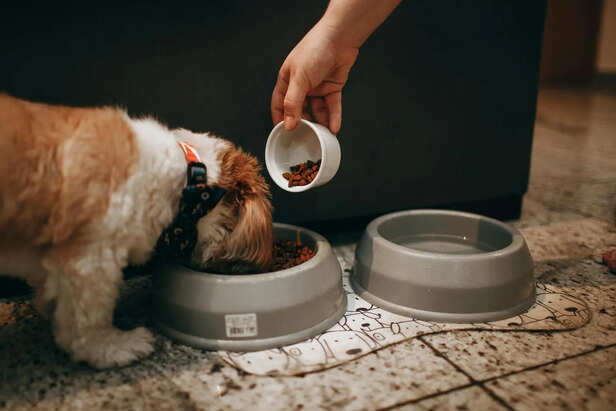
Fresh Foods for Pet Wellness
Image credit : Pexels
The immune system depends on nutrients to produce antibodies, maintain healthy cells, and fight harmful organisms. Poor nutrition can weaken this system, making pets more vulnerable to infections, allergies, and chronic conditions.
Essential Nutrients for Strong Immunity
1. Protein: The Building Block
Sources: Lean meat, fish, eggs, legumes (for some pets)
2. Vitamins That Matter
Vitamin C: Acts as an antioxidant and reduces inflammation
Vitamin E: Protects cells from damage
3. Minerals for Defense
Iron: Supports oxygen transport and energy
4. Omega-3 Fatty Acids
Sources: Fish oil, flaxseed
5. Probiotics and Gut Health
Immune-Boosting Foods for Pets
For Dogs and Cats
- Cooked chicken and fish
- Pumpkin (supports digestion)
- Carrots and sweet potatoes
- Blueberries (rich in antioxidants
- Yogurt (in moderation for probiotics)
For Birds
- Fresh fruits like apples and berries
- Leafy greens such as spinach and kale
- Seeds and fortified pellets
- For Small Pets (Rabbits, Hamsters)
- Fresh hay (essential for digestion)
- Leafy vegetables
- Limited fruits for vitamins
Feeding Practices That Improve Immunity
- Balanced Diet: Avoid overfeeding or nutrient deficiencies
- Fresh Water: Keeps body systems functioning properly
- Avoid Processed Foods: Limit artificial additives and fillers
- Portion Control: Prevents obesity, which weakens immunity
- Regular Feeding Schedule: Supports metabolism and digestion
Signs of a Strong Immune System in Pets

Happy and Healthy Dog
Image credit : Pexels
- Shiny coat and healthy skin
- High energy levels
- Good appetite
- Quick recovery from minor illnesses
- Clear eyes and alert behavior
Common Mistakes to Avoid
- Feeding table scraps frequently
- Ignoring species-specific dietary needs
- Over-supplementing vitamins without veterinary advice
- Sudden diet changes
Role of Hydration in Immune Health
Importance of Antioxidants in Pet Diets
Impact of Age on Nutritional Immunity
As pets grow from young to senior stages, their nutritional requirements change. Puppies and kittens require nutrient-dense diets for growth and immune development, while older pets may need easily digestible food with added supplements to support weakening immune systems. Tailoring the diet according to age ensures optimal immune support at every life stage.
Stress and Its Effect on Pet Immunity
Celebrate the bond with your pets, explore Health & Nutrition, discover Breeds, master Training Tips, Behavior Decoder, and set out on exciting Travel Tails with Times Pets!
Frequently asked questions (FAQs)
- How does gut health affect a pet’s immunity?
A significant portion of a pet’s immune system is linked to the gut. Healthy digestion supports beneficial bacteria, which help fight harmful pathogens. Including probiotics and fiber-rich foods can improve gut health and enhance immunity. - Can poor nutrition weaken my pet’s immune system?
Yes, inadequate or unbalanced nutrition can lead to deficiencies that weaken immune responses. Pets with poor diets are more prone to infections, slower recovery, and chronic health conditions. - How long does it take to see improvements in immunity through diet?
Positive changes can begin within a few weeks of consistent healthy feeding, but long-term improvements require maintaining a balanced diet over time.