
Are Grain Free Dog Foods Really Healthy?
Sonam Singh | TimesPets Bureau | Mar 30, 2026, 14:25 IST

Are Grain Free Dog Foods Really Healthy ?
Image credit : Freepik
Grain-free dog food has become a popular trend, often marketed as a healthier and more natural option for pets. However, recent research and veterinary insights suggest that the benefits may not be as clear-cut as advertised. While grain-free diets can help dogs with specific allergies or intolerances, they may also carry potential risks, including links to heart disease. This article explores the science, myths, benefits, and concerns surrounding grain free dog food to help pet owners make informed dietary choices.
In recent years, grain-free dog food has taken the pet care industry by storm. Promoted as a premium and biologically appropriate diet, many pet owners have switched to grain-free options believing they are healthier for their dogs. The idea stems from the assumption that dogs, like their wolf ancestors, thrive on meat-based diets without grains. However, veterinarians and researchers have begun questioning this trend. Scientific studies and regulatory investigations have raised concerns about the long-term safety of grain free diets. This has created confusion among pet owners are grain free foods truly beneficial, or could they be doing more harm than good?
Understanding Grain Free Dog Food: What It Really Means
![Understanding Grain-Free Dog Food: What It Really Means]() Grain free dog food refers to pet diets that exclude traditional grains such as wheat, corn, rice, barley, and oats. Instead of these grains, manufacturers replace them with alternative carbohydrate sources like sweet potatoes, peas, lentils, chickpeas, and sometimes tapioca. These ingredients are often marketed as more “natural” or “closer to a dog’s ancestral diet.” However, this concept is somewhat misleading. While wolves the ancestors of dogs primarily consumed meat, domesticated dogs have evolved significantly over thousands of years.
Grain free dog food refers to pet diets that exclude traditional grains such as wheat, corn, rice, barley, and oats. Instead of these grains, manufacturers replace them with alternative carbohydrate sources like sweet potatoes, peas, lentils, chickpeas, and sometimes tapioca. These ingredients are often marketed as more “natural” or “closer to a dog’s ancestral diet.” However, this concept is somewhat misleading. While wolves the ancestors of dogs primarily consumed meat, domesticated dogs have evolved significantly over thousands of years.
Scientific studies have shown that dogs can digest carbohydrates, including grains, quite efficiently due to genetic adaptations. This means that grains are not inherently harmful or unnatural for dogs. Another important aspect is that “grain free” does not mean “carbohydrate free.” In fact, grain-free diets often contain similar or even higher levels of carbohydrates, just from different sources. Therefore, the label “grain-free” is more of a marketing term rather than a guarantee of superior nutrition.
The Role of Grains in Canine Nutrition
![The Role of Grains in Canine Nutrition]() Grains play a crucial role in a balanced canine diet. They are not merely fillers, as often portrayed in advertisements, but are valuable sources of essential nutrients. Whole grains such as brown rice, oats, and barley provide complex carbohydrates, which supply steady energy throughout the day. They also contain dietary fiber, which supports healthy digestion and helps regulate bowel movements. In addition, grains are rich in vitamins like B -complex vitamins and minerals such as iron, magnesium, and selenium.
Grains play a crucial role in a balanced canine diet. They are not merely fillers, as often portrayed in advertisements, but are valuable sources of essential nutrients. Whole grains such as brown rice, oats, and barley provide complex carbohydrates, which supply steady energy throughout the day. They also contain dietary fiber, which supports healthy digestion and helps regulate bowel movements. In addition, grains are rich in vitamins like B -complex vitamins and minerals such as iron, magnesium, and selenium.
Fiber from grains also contributes to gut health by promoting beneficial bacteria in the digestive system. This can improve nutrient absorption and strengthen the immune system. For active dogs, grains can be an excellent energy source that supports endurance and overall vitality. It is also worth noting that many veterinary nutritionists consider grains a safe and beneficial component of dog food unless a specific intolerance or allergy is diagnosed. Removing grains without a medical reason may lead to an unbalanced diet if not carefully formulated.
When Grain Free Diets Can Be Beneficial
![When Grain Free Diets Can Be Beneficial]()
Although grain-free diets are not necessary for most dogs, there are certain situations where they can be helpful. The most common reason for choosing a grain-free diet is food allergies or sensitivities. Some dogs may exhibit symptoms such as itchy skin, ear infections, gastrointestinal upset, or chronic diarrhea due to food intolerances. In such cases, veterinarians may recommend an elimination diet, which sometimes includes grain free options to identify the allergen. However, it is important to understand that true grain allergies are relatively rare. Most food allergies in dogs are linked to animal proteins such as chicken, beef, or dairy rather than grains. Therefore, switching to grain free food without proper diagnosis may not resolve the issue. Grain free diets may also benefit dogs with specific digestive conditions when prescribed by a veterinarian. Some dogs with sensitive stomachs may tolerate alternative carbohydrate sources better.
Additionally, certain therapeutic diets used in veterinary medicine are formulated without grains for targeted health conditions. Despite these benefits, grain free feeding should always be approached cautiously and ideally under professional guidance to ensure nutritional balance.
Potential Risks and Health Concerns
In recent years, grain-free dog food has come under scrutiny due to potential health risks, particularly its possible association with Dilated Cardiomyopathy (DCM), a serious heart disease in dogs. DCM affects the heart muscle, causing it to become enlarged and weakened, which reduces its ability to pump blood effectively. While this condition was traditionally linked to genetic factors in certain breeds, an increasing number of cases have been reported in dogs without genetic predisposition but consuming grain-free diets.
Research suggests that the issue may not be the absence of grains itself, but the high inclusion of legumes such as peas, lentils, and chickpeas. These ingredients might interfere with the absorption of taurine, an essential amino acid that supports heart health. Low taurine levels have been associated with the development of DCM in some dogs. Additionally, grain free diets may sometimes lack proper nutritional balance if not formulated carefully.
Replacing grains with alternative ingredients does not automatically ensure a complete and balanced diet. Poorly designed formulations can lead to deficiencies or imbalances over time. Another concern is the influence of marketing trends. Many pet owners choose grain-free foods based on perception rather than scientific evidence. This can lead to unnecessary dietary changes that may not benefit the dog and could potentially cause harm.
Expert Recommendations and What Pet Owners Should Do
Veterinarians and pet nutrition experts generally agree that grain free diets are not inherently superior to grain-inclusive diets. The best diet for a dog depends on its individual needs, including age, breed, activity level, and health condition. Experts recommend that pet owners prioritize “complete and balanced” dog food that meets established nutritional standards. Labels such as those approved by recognized authorities ensure that the food contains the right proportions of protein, fats, carbohydrates, vitamins, and minerals. Before switching to a grain free diet, it is essential to consult a veterinarian, especially if the decision is based on suspected allergies or health concerns. A proper diagnosis can help determine whether dietary changes are necessary and prevent unnecessary risks. Pet owners should also pay attention to ingredient quality rather than focusing solely on whether a product is grain free.
High quality protein sources, appropriate nutrient levels, and transparent labeling are more important indicators of a good dog food.
Grain-free dog food is not inherently better or healthier for every dog. While it can be beneficial for pets with specific allergies or sensitivities, most dogs can safely digest and benefit from grains as part of a balanced diet. Recent concerns, including potential links to heart issues like Dilated Cardiomyopathy (DCM), highlight the importance of choosing pet food carefully rather than following trends. Ultimately, the best diet for your dog depends on their individual needs, health condition, and lifestyle. Consulting a veterinarian and selecting a nutritionally balanced, high quality food whether grain free or grain inclusive is the most reliable way to ensure your dog’s long term health and well being.
Understanding Grain Free Dog Food: What It Really Means

Understanding Grain-Free Dog Food: What It Really Means
Image credit : Freepik
Scientific studies have shown that dogs can digest carbohydrates, including grains, quite efficiently due to genetic adaptations. This means that grains are not inherently harmful or unnatural for dogs. Another important aspect is that “grain free” does not mean “carbohydrate free.” In fact, grain-free diets often contain similar or even higher levels of carbohydrates, just from different sources. Therefore, the label “grain-free” is more of a marketing term rather than a guarantee of superior nutrition.
The Role of Grains in Canine Nutrition

The Role of Grains in Canine Nutrition
Image credit : Freepik
Fiber from grains also contributes to gut health by promoting beneficial bacteria in the digestive system. This can improve nutrient absorption and strengthen the immune system. For active dogs, grains can be an excellent energy source that supports endurance and overall vitality. It is also worth noting that many veterinary nutritionists consider grains a safe and beneficial component of dog food unless a specific intolerance or allergy is diagnosed. Removing grains without a medical reason may lead to an unbalanced diet if not carefully formulated.
When Grain Free Diets Can Be Beneficial
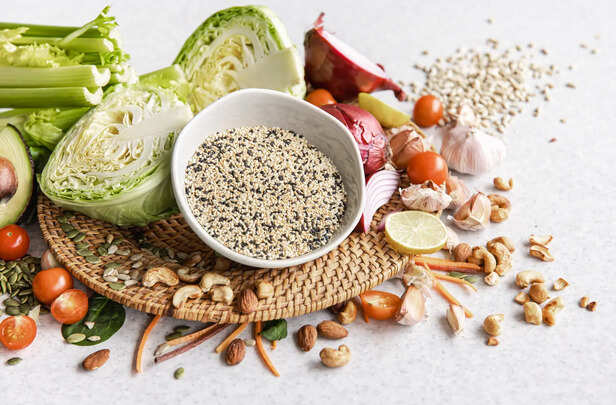
When Grain Free Diets Can Be Beneficial
Image credit : Freepik
Although grain-free diets are not necessary for most dogs, there are certain situations where they can be helpful. The most common reason for choosing a grain-free diet is food allergies or sensitivities. Some dogs may exhibit symptoms such as itchy skin, ear infections, gastrointestinal upset, or chronic diarrhea due to food intolerances. In such cases, veterinarians may recommend an elimination diet, which sometimes includes grain free options to identify the allergen. However, it is important to understand that true grain allergies are relatively rare. Most food allergies in dogs are linked to animal proteins such as chicken, beef, or dairy rather than grains. Therefore, switching to grain free food without proper diagnosis may not resolve the issue. Grain free diets may also benefit dogs with specific digestive conditions when prescribed by a veterinarian. Some dogs with sensitive stomachs may tolerate alternative carbohydrate sources better.
Additionally, certain therapeutic diets used in veterinary medicine are formulated without grains for targeted health conditions. Despite these benefits, grain free feeding should always be approached cautiously and ideally under professional guidance to ensure nutritional balance.
Potential Risks and Health Concerns
In recent years, grain-free dog food has come under scrutiny due to potential health risks, particularly its possible association with Dilated Cardiomyopathy (DCM), a serious heart disease in dogs. DCM affects the heart muscle, causing it to become enlarged and weakened, which reduces its ability to pump blood effectively. While this condition was traditionally linked to genetic factors in certain breeds, an increasing number of cases have been reported in dogs without genetic predisposition but consuming grain-free diets.
Research suggests that the issue may not be the absence of grains itself, but the high inclusion of legumes such as peas, lentils, and chickpeas. These ingredients might interfere with the absorption of taurine, an essential amino acid that supports heart health. Low taurine levels have been associated with the development of DCM in some dogs. Additionally, grain free diets may sometimes lack proper nutritional balance if not formulated carefully.
Replacing grains with alternative ingredients does not automatically ensure a complete and balanced diet. Poorly designed formulations can lead to deficiencies or imbalances over time. Another concern is the influence of marketing trends. Many pet owners choose grain-free foods based on perception rather than scientific evidence. This can lead to unnecessary dietary changes that may not benefit the dog and could potentially cause harm.
Expert Recommendations and What Pet Owners Should Do
Veterinarians and pet nutrition experts generally agree that grain free diets are not inherently superior to grain-inclusive diets. The best diet for a dog depends on its individual needs, including age, breed, activity level, and health condition. Experts recommend that pet owners prioritize “complete and balanced” dog food that meets established nutritional standards. Labels such as those approved by recognized authorities ensure that the food contains the right proportions of protein, fats, carbohydrates, vitamins, and minerals. Before switching to a grain free diet, it is essential to consult a veterinarian, especially if the decision is based on suspected allergies or health concerns. A proper diagnosis can help determine whether dietary changes are necessary and prevent unnecessary risks. Pet owners should also pay attention to ingredient quality rather than focusing solely on whether a product is grain free.
High quality protein sources, appropriate nutrient levels, and transparent labeling are more important indicators of a good dog food.
Grain-free dog food is not inherently better or healthier for every dog. While it can be beneficial for pets with specific allergies or sensitivities, most dogs can safely digest and benefit from grains as part of a balanced diet. Recent concerns, including potential links to heart issues like Dilated Cardiomyopathy (DCM), highlight the importance of choosing pet food carefully rather than following trends. Ultimately, the best diet for your dog depends on their individual needs, health condition, and lifestyle. Consulting a veterinarian and selecting a nutritionally balanced, high quality food whether grain free or grain inclusive is the most reliable way to ensure your dog’s long term health and well being.