
9 Hidden Signs Your Pet Bird Is Sick (Act Fast)
Noopur Kumari | May 05, 2026, 10:00 IST

Pet Bird Is Sick
Image credit : Pexels
Birds naturally hide illness as a survival instinct, which makes early detection difficult for owners. That’s why even small behavioral changes like reduced activity or silence can signal bigger underlying problems. Physical symptoms often appear later, but when they do, they are serious and should never be ignored. One of the earliest clues lies in eating habits, as changes in appetite or drinking patterns reflect internal health shifts. Acting quickly when you notice these signs can make a critical difference, improving recovery chances and potentially saving your bird’s life.
What if your bird is already sick and you just can’t see it? No cries for help. No obvious pain. Because birds are designed to hide weakness. In the wild, showing illness means danger, so even at home, they stay silent. That’s what makes it risky. By the time you notice something clearly, it may already be serious. But the truth is, the signs are always there hidden in small changes, quiet behavior, and subtle patterns. If you learn to notice them early, you can protect your bird before it’s too late.
![Fluffed Up Bird]()
A healthy bird is active, curious, and responsive. When that suddenly changes, it matters. If your bird becomes quiet, avoids interaction, or sits still for long periods, it may be struggling. These are not mood swings they are early warnings. Even small changes in energy or response can signal discomfort. Birds don’t complain. They withdraw. That’s why noticing behavioral shifts early can make all the difference between quick recovery and serious illness.
![Small Bird on Scale]()
Feathers are not just for appearance they reflect health. A bird that stays fluffed up for long periods, especially in normal temperatures, may be trying to conserve energy. This often indicates illness or weakness. A healthy bird keeps its feathers smooth and controlled. So when this changes, don’t ignore it. It’s one of the clearest physical signs that something is not right internally.
![Bird Not Eating Food]()
Birds have fast metabolisms, which means weight loss happens quickly and dangerously. Even a small drop can signal a serious issue. The problem is, it’s not always visible. That’s why regular weight checks are important. If your bird feels lighter or weaker, act fast. Waiting too long can make recovery difficult. This is one of the most critical signs many owners overlook.
A healthy bird eats regularly and shows interest in food. If your bird stops eating, eats less, or struggles to pick up food, it’s a warning sign. Even dropping seeds or ignoring favorite treats matters. Sometimes, excessive drinking can also signal issues. Food behavior reflects internal health. So any sudden change should never be ignored it’s often one of the earliest signs of illness.
Breathing problems are serious and need quick action. If your bird is breathing with an open beak, making unusual sounds, or showing discharge from eyes or nostrils, it may indicate infection. These signs should never be delayed or ignored. Birds can deteriorate quickly once respiratory issues begin. This is one situation where waiting is risky immediate care can save your bird’s life.
If you notice any warning signs, act calmly but quickly. Keep your bird warm, quiet, and stress-free. Provide fresh food and clean water. Offer soft food if needed. Maintain cage hygiene to prevent infections. Avoid excessive handling it adds stress. These simple steps can stabilize your bird before professional help. But remember, they are not a replacement for proper medical care if symptoms persist.
Celebrate the bond with your pets, explore Health & Nutrition, discover Breeds, master Training Tips, Behavior Decoder, and set out on exciting Travel Tails with Times Pets!
When Behavior Quietly Changes
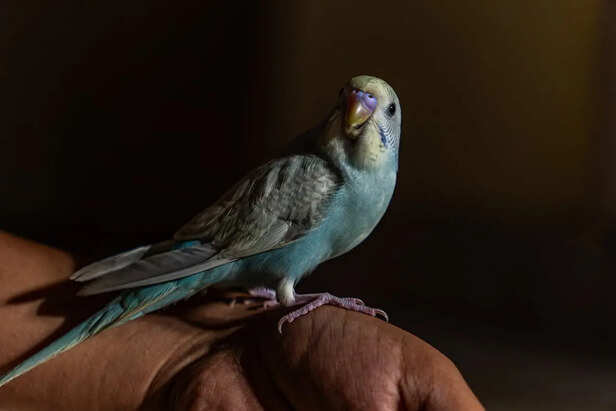
Fluffed Up Bird
Image credit : Pexels
A healthy bird is active, curious, and responsive. When that suddenly changes, it matters. If your bird becomes quiet, avoids interaction, or sits still for long periods, it may be struggling. These are not mood swings they are early warnings. Even small changes in energy or response can signal discomfort. Birds don’t complain. They withdraw. That’s why noticing behavioral shifts early can make all the difference between quick recovery and serious illness.
Feathers That Reveal More Than Beauty
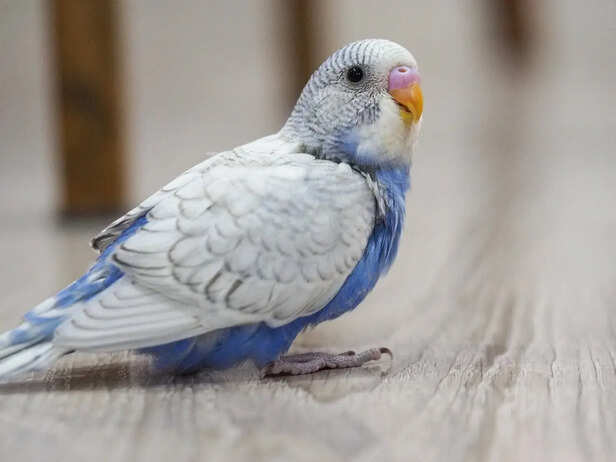
Small Bird on Scale
Image credit : Pexels
Feathers are not just for appearance they reflect health. A bird that stays fluffed up for long periods, especially in normal temperatures, may be trying to conserve energy. This often indicates illness or weakness. A healthy bird keeps its feathers smooth and controlled. So when this changes, don’t ignore it. It’s one of the clearest physical signs that something is not right internally.
Weight Loss You Might Miss
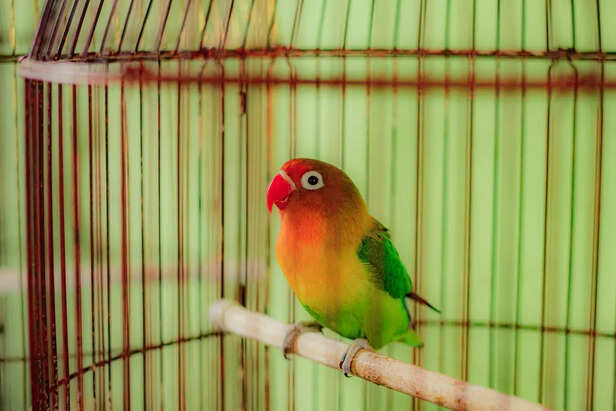
Bird Not Eating Food
Image credit : Pexels
Birds have fast metabolisms, which means weight loss happens quickly and dangerously. Even a small drop can signal a serious issue. The problem is, it’s not always visible. That’s why regular weight checks are important. If your bird feels lighter or weaker, act fast. Waiting too long can make recovery difficult. This is one of the most critical signs many owners overlook.
Eating Habits That Change Suddenly
Breathing That Doesn’t Feel Normal
What You Should Do Immediately
Celebrate the bond with your pets, explore Health & Nutrition, discover Breeds, master Training Tips, Behavior Decoder, and set out on exciting Travel Tails with Times Pets!