
7 Everyday Foods That Are Dangerous for Dogs
Aparna Jha | Sep 22, 2025, 14:37 IST

Dog
Image credit : Unsplash
Many foods we eat every day can seriously harm dogs. Chocolate, grapes, onions, garlic, xylitol and even certain nuts may cause vomiting, seizures, kidney or liver failure. Some foods are dangerous in tiny amounts. This article explains seven common foods that are unsafe for dogs, their harmful effects, warning signs, and prevention tips every responsible pet parent should know.
Dogs are part of our families, and many owners love sharing meals with them. However, what feels like a treat may actually be toxic. Dogs process foods differently than humans, making some safe items extremely harmful. Certain foods affect their liver, kidneys, heart or nervous system. Learning about these dangerous foods is essential to keeping your dog healthy and safe.
![Dog]()
![Cat eating]()
![Risk]()
![Candies]()
![Avocado]()
![Fried Snacks]()
Frequently Asked Questions (FAQs)
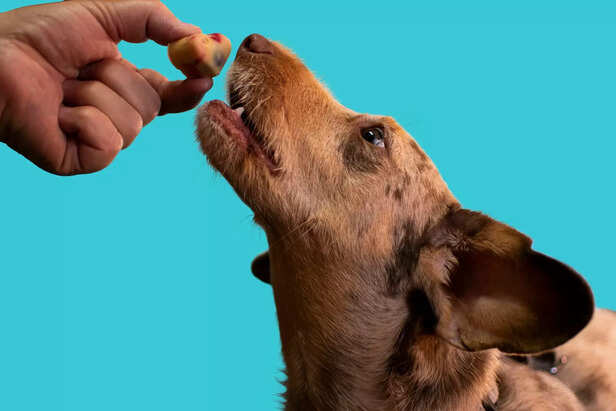
1. Chocolate, Coffee and Caffeine
Dog
Image credit : Unsplash
- Chocolate contains theobromine and caffeine, which are stimulants that dogs cannot break down efficiently.
- Dark chocolate and baking chocolate are more toxic than milk chocolate due to higher theobromine levels.
- Effects range from vomiting, diarrhoea, increased thirst and restlessness to seizures, abnormal heart rhythms and even death.
- Dogs may show symptoms within hours of eating chocolate, making immediate veterinary help critical.
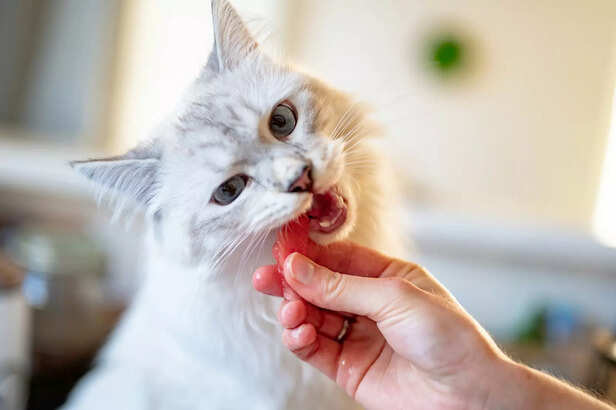
2. Grapes and Raisins
Cat eating
Image credit : Unsplash
- Grapes and raisins can cause sudden kidney failure in dogs, even in very small amounts.
- The toxic element is still unknown, meaning all types - seedless, organic, dried or fresh - are unsafe.
- Symptoms include vomiting, loss of appetite, abdominal pain, tiredness, excessive thirst or little to no urination.
- Some dogs show no early signs but may suddenly develop kidney failure, which can be fatal without treatment.
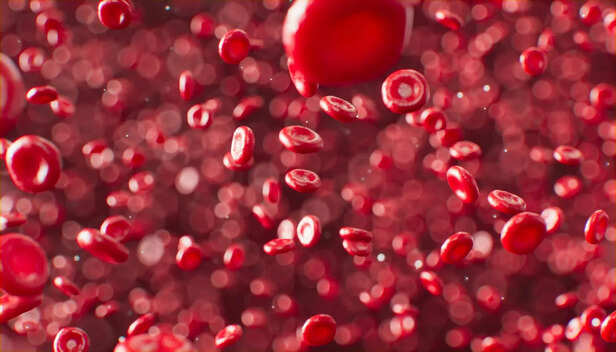
3. Onions, Garlic and Chives
Risk
Image credit : Unsplash
- These members of the allium family contain compounds that damage red blood cells, leading to anaemia.
- Raw, cooked, powdered or dried forms are all dangerous, and toxicity may build up over time with repeated small doses.
- Symptoms include weakness, pale gums, rapid breathing, vomiting, loss of appetite and fainting.
- Severe cases of anaemia can lead to organ damage or collapse if untreated.
4. Xylitol (Artificial Sweetener)

Candies
Image credit : Unsplash
- Xylitol is found in sugar-free gum, candies, baked goods, toothpaste and some peanut butters.
- In dogs, it triggers a dangerous release of insulin, causing blood sugar to drop sharply.
- Symptoms include vomiting, sudden weakness, trembling, seizures and loss of coordination.
- Xylitol poisoning can also result in liver failure, which may be fatal.
- Owners should always check labels before sharing any sweet food or spread with dogs.
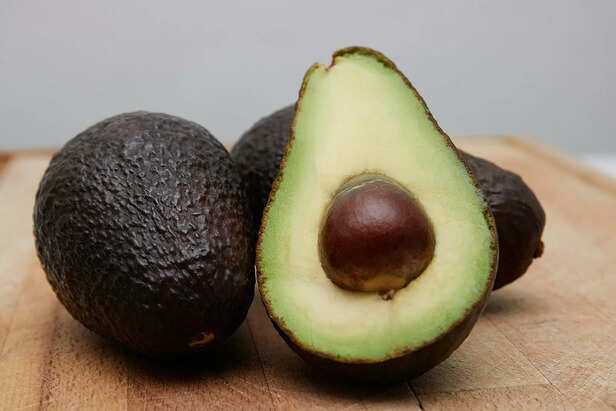
5. Avocado
Avocado
Image credit : Unsplash
- Avocado contains a chemical called persin, which can upset a dog’s digestive system.
- The high fat content of avocado may trigger pancreatitis, a painful and serious inflammation of the pancreas.
- The pit poses choking hazards and may block the intestines if swallowed.
- Dogs that eat avocado may suffer from diarrhoea, stomach pain and vomiting.
6. Alcohol and Raw Yeast Dough
- Alcohol is toxic to dogs and affects their liver and brain. Even small sips can cause trouble.
- Symptoms include vomiting, staggering, confusion, difficulty breathing, tremors, coma and death.
- Raw yeast dough is equally risky, as it expands inside the stomach, causing bloating and releasing alcohol.
- In serious cases, stomach rupture or alcohol poisoning may occur, both of which are medical emergencies.
7. Macadamia Nuts and High-Fat Foods

Fried Snacks
Image credit : Unsplash
- Macadamia nuts are especially poisonous and should never be fed to dogs.
- Symptoms include vomiting, weakness, tremors, high body temperature and inability to walk.
- Other high-fat foods like fried snacks, cheese or bacon may not be directly poisonous but can cause pancreatitis.
- Pancreatitis is painful and can lead to long-term health problems in dogs.
Precautionary Tips for Dog Owners
- Never feed your dog food meant for humans without checking if it is safe.
- Avoid giving table scraps, as many dishes contain onion, garlic, butter or sauces that are harmful.
- Store chocolates, nuts, alcohol and grapes securely where dogs cannot reach.
- Always check food labels for xylitol before sharing any snack or spread.
- If your dog consumes any of these foods, seek veterinary help immediately instead of waiting for symptoms.
- Prevention is the best protection: stick to vet-approved food and safe dog treats.
Frequently Asked Questions (FAQs)
- Can a small amount of chocolate harm my dog?
Yes, even small amounts can be dangerous depending on the size of the dog and type of chocolate. - Why are grapes harmful for dogs?
Grapes and raisins can cause sudden kidney failure in dogs. - Is milk safe for dogs?
Many dogs are lactose intolerant and may suffer from digestive issues after consuming milk. - What should I do if my dog eats something toxic?
Immediately contact a veterinarian or an emergency animal helpline. - Are nuts safe for dogs?
Certain nuts like macadamia are toxic, and others are high in fat, which may cause health issues.