
6 Hidden Signs Your Dog Needs Dental Care
Noopur Kumari | Apr 14, 2026, 16:24 IST

Dog Needs Dental Care
Image credit : Freepik
Dental problems in dogs often stay hidden for years because they build slowly without obvious pain. Many owners rely on dental treats, but the truth is they only give temporary relief, not a real solution. Early signs like bad breath, tartar, or slow eating are often ignored until it’s too late. As dogs cross 5–6 years, risks increase silently. The real secret is simple care regular brushing, proper diet, and timely vet checks. Small steps today can prevent painful problems tomorrow and keep your dog healthy, active, and comfortable for years.
Your dog looks fine. Eats well. Plays daily. But what if there’s a hidden problem you can’t see? Dental issues in dogs often go unnoticed until they become serious. And by then, it’s painful for your dog and expensive for you. The scary part? Most signs are subtle. Easy to ignore. Easy to miss. Let’s uncover the silent signals your dog might already be giving you.
![Dog Bad Breath Warning]()
Many people think bad breath in dogs is normal. It’s not. If your dog’s breath smells strong or unpleasant regularly, it could be a sign of plaque buildup or infection. This is often the first warning sign. The mistake? Ignoring it or masking it with treats. Bad breath doesn’t fix itself. It slowly gets worse. Catching it early can prevent bigger dental problems later. Your dog may not complain but the smell is telling you everything.
![Dog Dental Chew Treats]()
Giving dental sticks or chew treats feels like the right thing. And yes, they help but only for a short time. If your dog’s teeth look clean only while using them and problems return later, that’s a warning sign. These treats reduce tartar slightly but don’t solve deeper issues. The hidden truth? They delay the problem, not fix it. If the issue keeps coming back, it’s time to think beyond home remedies.
![Older Dog Dental Check]()
Once your dog crosses 5–6 years, dental problems become more common. Even if everything seems normal, plaque and tartar can build up silently over time. This is where many owners make a mistake they wait for visible signs. By then, the damage may already be serious. Regular dental checks become important with age. Prevention is always easier than treatment.
If your dog suddenly avoids hard food, chews slowly, or drops food while eating, don’t ignore it. These are subtle signs of discomfort in the mouth. Dogs don’t show pain easily. They adjust their behavior instead. What looks like a small change can actually mean tooth pain or gum issues. Watching eating habits closely can reveal problems early before they become severe.
Look closely at your dog’s teeth. Do you see yellow or brown layers near the gums? That’s tartar and it doesn’t go away on its own. This buildup hardens over time and leads to infections if untreated. Most owners notice it but ignore it, thinking it’s harmless. But this is one of the clearest visible signs that your dog needs dental care. Small buildup today can turn into serious problems tomorrow.
If your dog shows repeated signs bad breath, tartar, or eating issues it’s time to consult a vet. Especially if your dog is older and home remedies aren’t working anymore. A professional check can detect hidden problems you can’t see. Many dental issues need proper cleaning or treatment not just products. Waiting too long can lead to pain, infections, and costly procedures. Sometimes, one visit can save your dog from long-term discomfort.
Celebrate the bond with your pets, explore Health & Nutrition, discover Breeds, master Training Tips, Behavior Decoder, and set out on exciting Travel Tails with Times Pets!
Bad Breath Is Not Normal

Dog Bad Breath Warning
Image credit : Freepik
Many people think bad breath in dogs is normal. It’s not. If your dog’s breath smells strong or unpleasant regularly, it could be a sign of plaque buildup or infection. This is often the first warning sign. The mistake? Ignoring it or masking it with treats. Bad breath doesn’t fix itself. It slowly gets worse. Catching it early can prevent bigger dental problems later. Your dog may not complain but the smell is telling you everything.
Dental Treats Work But Only Temporarily
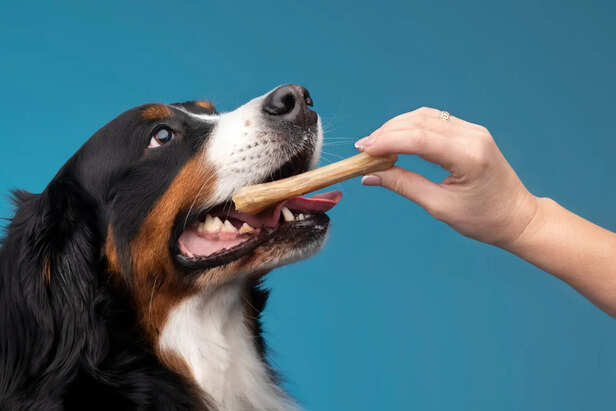
Dog Dental Chew Treats
Image credit : Freepik
Giving dental sticks or chew treats feels like the right thing. And yes, they help but only for a short time. If your dog’s teeth look clean only while using them and problems return later, that’s a warning sign. These treats reduce tartar slightly but don’t solve deeper issues. The hidden truth? They delay the problem, not fix it. If the issue keeps coming back, it’s time to think beyond home remedies.
Age Plays a Bigger Role Than You Think
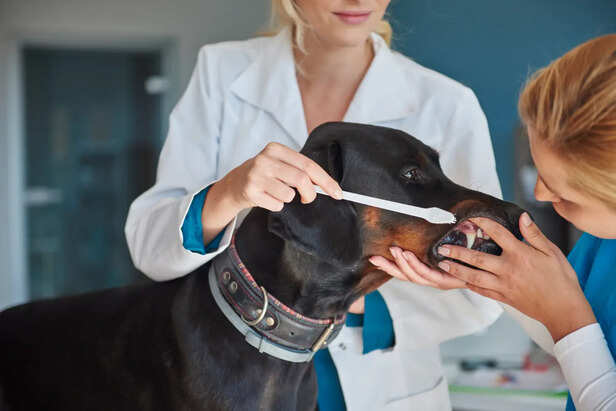
Older Dog Dental Check
Image credit : Freepik
Once your dog crosses 5–6 years, dental problems become more common. Even if everything seems normal, plaque and tartar can build up silently over time. This is where many owners make a mistake they wait for visible signs. By then, the damage may already be serious. Regular dental checks become important with age. Prevention is always easier than treatment.
Eating Habits Start Changing
Tartar Build-Up You Can Actually See
When It’s Time to See a Vet
Celebrate the bond with your pets, explore Health & Nutrition, discover Breeds, master Training Tips, Behavior Decoder, and set out on exciting Travel Tails with Times Pets!