
4 Common Skin Problems In Pets And Remedies
Sonam Singh | Apr 16, 2026, 17:48 IST

Common Skin Problems In Pets And Remedies
Image credit : Freepik
Pets communicate primarily through body language, and understanding these signals is essential for building a strong bond and ensuring their well-being. From tail wagging to ear positions and vocal cues, each movement reveals your pet’s emotions and intentions. This article explains how to interpret common body language signs in dogs and cats, helping you recognize when your pet is happy, stressed, or unwell. By learning these cues, you can respond appropriately and create a safer, more comfortable environment for your furry companion
Unlike humans, pets cannot express their feelings through words, so they rely on body language to communicate. Every movement whether it’s a wagging tail, flattened ears, or a specific posture has meaning. Misinterpreting these signals can lead to confusion or even risky situations. By understanding your pet’s body language, you not only improve communication but also strengthen trust and prevent behavioral problems. It’s a key skill every pet owner should develop.
Allergies and Itchy Skin
![Allergies and Itchy Skin]()
Allergies are one of the most common causes of skin problems in pets and can significantly affect their comfort and quality of life. These allergies may be triggered by environmental factors such as pollen, dust mites, mold, or even certain cleaning products. Food allergies are also common and can develop over time, even to ingredients your pet has eaten for years. Flea bites are another major cause, often leading to a condition known as flea allergy dermatitis. Common symptoms include persistent scratching, red or inflamed skin, ear infections, watery eyes, and excessive licking or chewing especially around paws, belly, or tail. If left untreated, this can lead to wounds and secondary infections.
Remedies: Regular grooming and bathing with gentle, medicated shampoos can soothe the skin. Switching to a hypoallergenic or limited ingredient diet may help identify and reduce food-related allergies. Consistent flea control is essential. In more severe cases, veterinarians may prescribe antihistamines, steroids, or allergy-specific treatments to control symptoms and improve comfort.
Fleas, Ticks, and Parasites
![Fleas, Ticks, and Parasites]()
External parasites such as fleas, ticks, and mites are a major cause of skin irritation in pets. Fleas can cause intense itching and allergic reactions, while ticks are known to transmit serious diseases. Mites can lead to conditions like mange, causing hair loss and severe discomfort. These parasites not only affect your pet’s skin but can also impact their overall health if infestations become severe. Signs of infestation include constant scratching, visible parasites in the fur, red bumps, hair thinning, and sometimes scabs or sores. Pets may also become restless or irritable due to discomfort.
Remedies: Preventive care is the best approach. Use vet-approved treatments such as topical spot on solutions, anti parasitic collars, or oral medications. Regular grooming and checking your pet’s coat especially after outdoor activities can help catch infestations early. Keeping your home, bedding, and surroundings clean also plays a crucial role in preventing parasites from spreading.
Bacterial and Fungal Infections
![Bacterial and Fungal Infections]()
Bacterial and fungal infections often develop when a pet’s skin barrier is weakened due to allergies, injuries, or excessive moisture. Warm and humid climates make pets more susceptible to these infections. Common fungal infections like ringworm are highly contagious and can spread to other pets and even humans. Symptoms include redness, scaly or crusty skin, unpleasant odor, hair loss, and pus-filled lesions. Infected areas may become painful and worsen if not treated promptly.
Remedies: Treatment typically involves medicated shampoos, antifungal or antibacterial creams, and in more serious cases, oral medications prescribed by a veterinarian. Maintaining proper hygiene, keeping your pet dry after baths or rain exposure, and regularly cleaning their living area can help prevent recurrence. Early treatment is key to stopping the infection from spreading.
Dry Skin and Hot Spots
![Dry Skin and Hot Spots]()
Dry skin and hot spots are common issues that can cause significant discomfort to pets. Dry skin may result from poor nutrition, dehydration, weather changes (especially winter), or frequent bathing with harsh shampoos. Hot spots, also known as acute moist dermatitis, are localized areas of inflamed, infected skin caused by excessive licking, scratching, or biting. Symptoms of dry skin include flakiness, dull coat, and mild itching, while hot spots appear as red, moist, painful patches that can spread rapidly. Pets may continuously lick or bite these areas, worsening the condition.
Remedies: Providing a balanced diet rich in omega-3 and omega-6 fatty acids helps improve skin health. Ensure your pet stays well hydrated and use mild, moisturizing shampoos. For hot spots, gently clean the affected area and apply vet recommended sprays or ointments. Prevent your pet from licking the area (using an e-collar if needed). Severe or persistent cases should always be evaluated by a veterinarian for proper treatment.
Skin problems in pets can affect their comfort and overall health if not treated on time. Issues like allergies, parasites, and infections may worsen quickly without proper care. Regular grooming, a balanced diet, and preventive treatments are essential for healthy skin. Early detection is key, and any persistent symptoms should be checked by a veterinarian. By staying attentive and proactive, you can keep your pet comfortable, healthy, and free from skin-related problems.
Allergies and Itchy Skin
Allergies and Itchy Skin
Image credit : Freepik
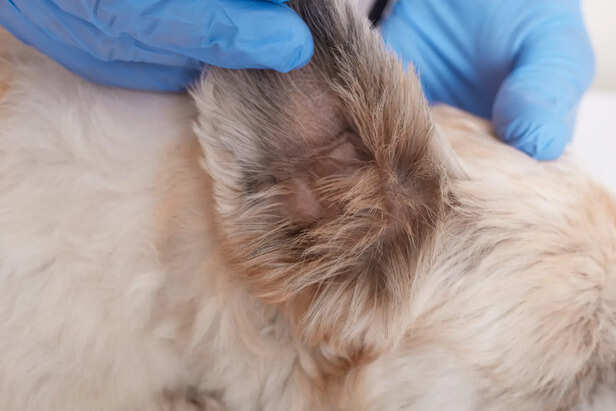
Allergies are one of the most common causes of skin problems in pets and can significantly affect their comfort and quality of life. These allergies may be triggered by environmental factors such as pollen, dust mites, mold, or even certain cleaning products. Food allergies are also common and can develop over time, even to ingredients your pet has eaten for years. Flea bites are another major cause, often leading to a condition known as flea allergy dermatitis. Common symptoms include persistent scratching, red or inflamed skin, ear infections, watery eyes, and excessive licking or chewing especially around paws, belly, or tail. If left untreated, this can lead to wounds and secondary infections.
Remedies: Regular grooming and bathing with gentle, medicated shampoos can soothe the skin. Switching to a hypoallergenic or limited ingredient diet may help identify and reduce food-related allergies. Consistent flea control is essential. In more severe cases, veterinarians may prescribe antihistamines, steroids, or allergy-specific treatments to control symptoms and improve comfort.
Fleas, Ticks, and Parasites

Fleas, Ticks, and Parasites
Image credit : Pexels
External parasites such as fleas, ticks, and mites are a major cause of skin irritation in pets. Fleas can cause intense itching and allergic reactions, while ticks are known to transmit serious diseases. Mites can lead to conditions like mange, causing hair loss and severe discomfort. These parasites not only affect your pet’s skin but can also impact their overall health if infestations become severe. Signs of infestation include constant scratching, visible parasites in the fur, red bumps, hair thinning, and sometimes scabs or sores. Pets may also become restless or irritable due to discomfort.
Remedies: Preventive care is the best approach. Use vet-approved treatments such as topical spot on solutions, anti parasitic collars, or oral medications. Regular grooming and checking your pet’s coat especially after outdoor activities can help catch infestations early. Keeping your home, bedding, and surroundings clean also plays a crucial role in preventing parasites from spreading.
Bacterial and Fungal Infections

Bacterial and Fungal Infections
Image credit : Pexels
Bacterial and fungal infections often develop when a pet’s skin barrier is weakened due to allergies, injuries, or excessive moisture. Warm and humid climates make pets more susceptible to these infections. Common fungal infections like ringworm are highly contagious and can spread to other pets and even humans. Symptoms include redness, scaly or crusty skin, unpleasant odor, hair loss, and pus-filled lesions. Infected areas may become painful and worsen if not treated promptly.
Remedies: Treatment typically involves medicated shampoos, antifungal or antibacterial creams, and in more serious cases, oral medications prescribed by a veterinarian. Maintaining proper hygiene, keeping your pet dry after baths or rain exposure, and regularly cleaning their living area can help prevent recurrence. Early treatment is key to stopping the infection from spreading.
Dry Skin and Hot Spots

Dry Skin and Hot Spots
Image credit : Pexels
Dry skin and hot spots are common issues that can cause significant discomfort to pets. Dry skin may result from poor nutrition, dehydration, weather changes (especially winter), or frequent bathing with harsh shampoos. Hot spots, also known as acute moist dermatitis, are localized areas of inflamed, infected skin caused by excessive licking, scratching, or biting. Symptoms of dry skin include flakiness, dull coat, and mild itching, while hot spots appear as red, moist, painful patches that can spread rapidly. Pets may continuously lick or bite these areas, worsening the condition.
Remedies: Providing a balanced diet rich in omega-3 and omega-6 fatty acids helps improve skin health. Ensure your pet stays well hydrated and use mild, moisturizing shampoos. For hot spots, gently clean the affected area and apply vet recommended sprays or ointments. Prevent your pet from licking the area (using an e-collar if needed). Severe or persistent cases should always be evaluated by a veterinarian for proper treatment.
Skin problems in pets can affect their comfort and overall health if not treated on time. Issues like allergies, parasites, and infections may worsen quickly without proper care. Regular grooming, a balanced diet, and preventive treatments are essential for healthy skin. Early detection is key, and any persistent symptoms should be checked by a veterinarian. By staying attentive and proactive, you can keep your pet comfortable, healthy, and free from skin-related problems.