
Why Species Are Disappearing Faster Than Ever Now Soon?
Kashish Pandey | Jan 04, 2026, 14:01 IST

animal
Image credit : Pixabay
Have you ever noticed how often we hear about animals becoming endangered or extinct? From birds that no longer sing to forests that feel strangely empty, something is changing fast. This article explains, in a simple and human way, why species are disappearing faster than ever now soon. It looks at how everyday human actions, climate change, and environmental neglect are pushing wildlife toward extinction and why this loss matters deeply to our own lives and future.
Species extinction, biodiversity loss, endangered animals, causes of extinction, climate change and wildlife are words we see everywhere today. Species are disappearing faster than ever now soon, and this is no longer a distant scientific problem.
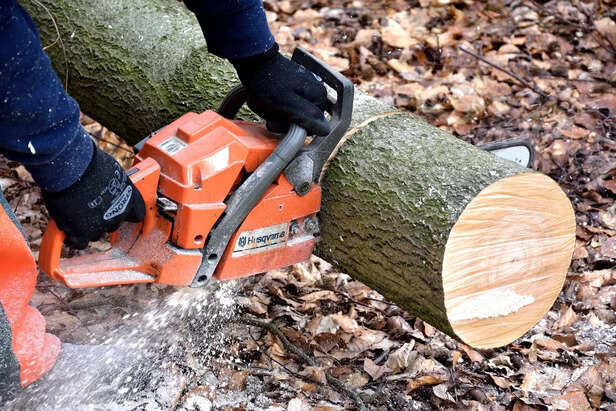
![cutting wood]() Imagine being forced out of your home with nowhere to go. This is exactly what happens to animals when forests are cut, rivers are polluted, and grasslands are destroyed.
Imagine being forced out of your home with nowhere to go. This is exactly what happens to animals when forests are cut, rivers are polluted, and grasslands are destroyed.
Trees are cleared for farming, cities, and industries. Wetlands are drained. Coral reefs are damaged. Animals that depend on these places cannot survive once their homes are gone. Many species are not flexible enough to adapt to new environments, and slowly their numbers fall until none are left.
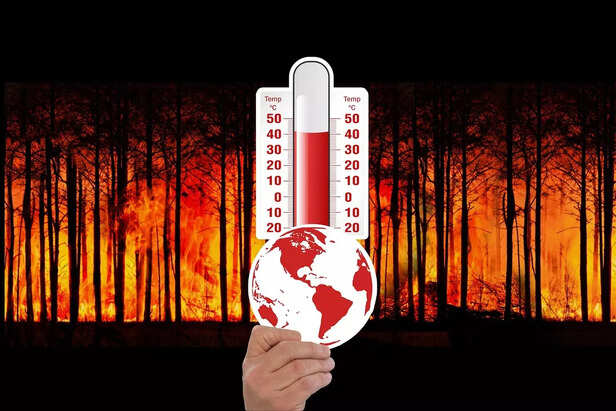
![climate change]() Climate change is not just about hotter days. It changes entire ecosystems. Rainfall patterns shift, winters become shorter, and oceans warm up. Animals that rely on stable weather struggle to survive.
Climate change is not just about hotter days. It changes entire ecosystems. Rainfall patterns shift, winters become shorter, and oceans warm up. Animals that rely on stable weather struggle to survive.
Polar animals lose ice, coral reefs bleach, and birds lose their migration timing. Some species try to move to safer places, but roads, cities, and farms block their path.
Hunting and fishing were once balanced with nature. Today, they are often driven by profit and demand. Animals are hunted for meat, skin, horns, and illegal trade. Oceans are overfished to meet global consumption.
When animals are killed faster than they can reproduce, their populations collapse.
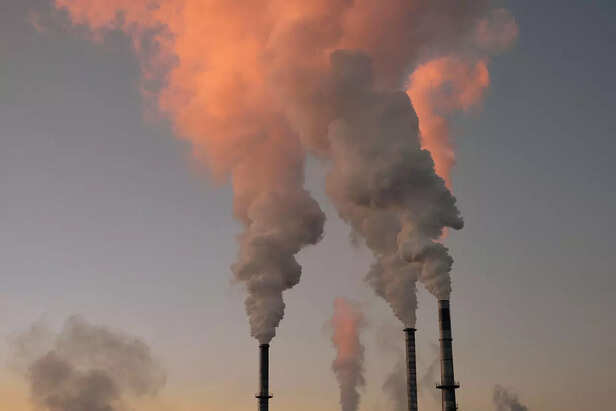
![environment]() Pollution does not always kill instantly. Often, it weakens animals over time. Plastic fills oceans, chemicals enter rivers, and toxic gases pollute the air. Fish mistake plastic for food. Birds drink polluted water. Land animals eat contaminated plants.
Pollution does not always kill instantly. Often, it weakens animals over time. Plastic fills oceans, chemicals enter rivers, and toxic gases pollute the air. Fish mistake plastic for food. Birds drink polluted water. Land animals eat contaminated plants.
Pollution also damages reproduction and immunity. Animals become weaker, produce fewer offspring, and struggle to survive. Over time, entire populations disappear without much notice.
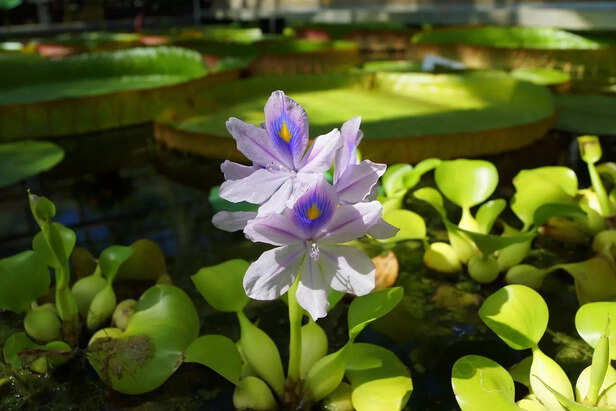
![flowers]() Sometimes species are moved to new places by humans, intentionally or accidentally. These invasive species often grow quickly and take over. They eat native species, steal their food, or spread diseases.
Sometimes species are moved to new places by humans, intentionally or accidentally. These invasive species often grow quickly and take over. They eat native species, steal their food, or spread diseases.
Local species are not prepared for these new threats. Without natural defenses, they decline rapidly.
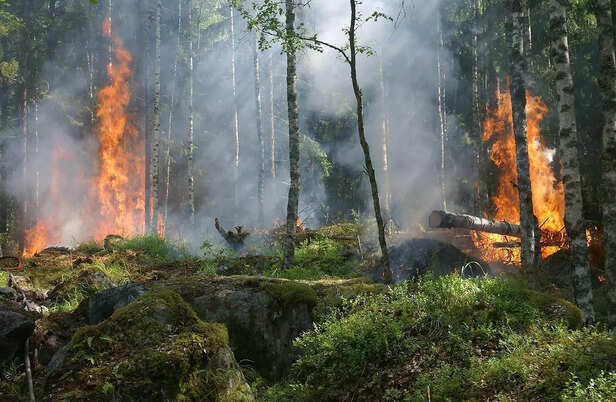
![forestfire]() Floods, wildfires, droughts, and storms are natural, but their impact is now stronger because species are already under stress. A single disaster can wipe out an entire population if it lives in a limited area.
Floods, wildfires, droughts, and storms are natural, but their impact is now stronger because species are already under stress. A single disaster can wipe out an entire population if it lives in a limited area.
Nature can recover, but only if given time and space. Today, many species are not given either.
The situation is serious, but not hopeless. Protecting habitats, reducing pollution, slowing climate change, and supporting conservation efforts can save many species. Small actions like reducing plastic use, conserving water, and spreading awareness also matter.
Change begins with understanding and leads to responsibility.
Species are disappearing faster than ever now soon because human activity has disrupted the natural balance. Habitat loss, climate change, pollution, and overexploitation are pushing wildlife toward extinction. If we act with care and urgency, many species can still be saved.
Discover expert advice and the latest tips on pet care, training, health, and more. Stay updated with all things pets at Times Pets!
Frequently Asked Questions[FAQs]
Losing Homes Means Losing Life
cutting wood
Image credit : Pixabay
Trees are cleared for farming, cities, and industries. Wetlands are drained. Coral reefs are damaged. Animals that depend on these places cannot survive once their homes are gone. Many species are not flexible enough to adapt to new environments, and slowly their numbers fall until none are left.
Climate Change Is Making Survival Harder
climate change
Image credit : Pixabay
Polar animals lose ice, coral reefs bleach, and birds lose their migration timing. Some species try to move to safer places, but roads, cities, and farms block their path.
Humans Take More Than Nature Can Give
When animals are killed faster than they can reproduce, their populations collapse.
Pollution Slowly Kills Wildlife
environment
Image credit : Pixabay
Pollution also damages reproduction and immunity. Animals become weaker, produce fewer offspring, and struggle to survive. Over time, entire populations disappear without much notice.
Invasive Species Change the Balance
flowers
Image credit : Pixabay
Local species are not prepared for these new threats. Without natural defenses, they decline rapidly.
Natural Disasters Add Pressure
forestfire
Image credit : Pixabay
Nature can recover, but only if given time and space. Today, many species are not given either.
What We Can Still Do
Change begins with understanding and leads to responsibility.
Species are disappearing faster than ever now soon because human activity has disrupted the natural balance. Habitat loss, climate change, pollution, and overexploitation are pushing wildlife toward extinction. If we act with care and urgency, many species can still be saved.
Discover expert advice and the latest tips on pet care, training, health, and more. Stay updated with all things pets at Times Pets!
Frequently Asked Questions[FAQs]
- Why are species disappearing faster than before?
Species are disappearing faster mainly due to habitat destruction, climate change, pollution, overhunting, and invasive species. Human activities have increased the speed of extinction far beyond natural levels. - What is the biggest cause of species extinction today?
Habitat loss is the biggest cause. When forests, wetlands, and oceans are damaged or destroyed, species lose food, shelter, and breeding spaces. - How does climate change affect wildlife?
Climate change alters temperatures, rainfall, and ecosystems. Many species cannot adapt quickly, leading to population decline and extinction. - How does species extinction affect humans?
Extinction weakens ecosystems that provide food, clean air, water, and climate stability. Losing species ultimately threatens human survival and quality of life.