
Why Black Animals Are Still Waiting For Homes Despite Being Perfect Companions
Anushka Tripathi | Feb 13, 2026, 17:00 IST

black dog
Image credit : Freepik
Black animals remain the most overlooked residents in shelters worldwide, not because of behavior or health, but because of long-held perceptions tied to color. From superstition and pop culture stereotypes to photography challenges in digital adoption listings, black pets often wait longer for homes. This article explores the emotional and psychological reasons behind adoption bias, the impact it has on animals’ lives, and why choosing a black pet can be one of the most rewarding decisions an adopter ever makes.
Walk into almost any animal shelter in the world, and a quiet pattern reveals itself. Lighter colored pets leave first. The black ones stay behind. Days turn into weeks, weeks into months. This is not a coincidence. Across countries, cultures, and shelter systems, black animals are adopted less frequently and euthanized more often than their lighter counterparts. The reason is not aggression, health, or temperament. It is perception.
When Color Becomes A Barrier
Humans have always attached meaning to color. White is seen as pure, brown as friendly, and golden as warm. Black, unfairly, has been associated with danger, bad luck, or fear. These associations slip into our decisions without us realizing. When someone scrolls through adoption listings or walks past cages, color becomes the first filter. Not consciously. Instinctively.
The Shadow Of Superstition
In many cultures, black animals have long carried symbolic baggage. Black cats were linked to witchcraft in medieval Europe. Black dogs were portrayed as omens in folklore. Even today, phrases like black magic or bad luck reinforce these ideas. Though modern society prides itself on logic, these myths quietly influence choices. When given two similar animals, people often choose the one that feels safer or more familiar. Black animals rarely benefit from that bias.
The Camera Problem Shelters Face

fluffy black dog
Image credit : Freepik
In the digital age, adoption often begins online. Photos matter. Black animals are harder to photograph well. Their facial features blend into shadows. Their eyes do not pop against dark fur. In poorly lit shelter environments, this becomes a serious disadvantage. Potential adopters scroll past because they cannot connect through an image. What they do not see is personality. Playfulness. Gentleness. Loyalty.
The Myth Of Aggression
Another damaging belief is that black animals are more aggressive. Studies have shown no correlation between fur color and behavior. Yet darker animals are often perceived as intimidating, especially larger dogs. This leads to fewer inquiries, fewer meet and greets, and fewer chances to prove otherwise. Ironically, many black dogs and cats are among the calmest and most affectionate animals in shelters.
When Pop Culture Adds To The Problem
Movies and media play a role, too. Villains often wear black. Dangerous animals are shown as dark silhouettes. Friendly pets in advertisements are usually golden retrievers, white kittens, or spotted puppies. Over time, these images shape expectations. Black animals rarely get hero roles. When they do, they are often mysterious rather than lovable.
Black Animals And The Shelter Reality
Because black animals are adopted less often, shelters face difficult decisions. Limited space and resources mean animals that stay longer are at higher risk. This has led to heartbreaking statistics, especially around events like Halloween, when black cats are either avoided or temporarily adopted and then returned. Some shelters even pause black cat adoptions during this time to protect them.
What People Miss When They Walk Away
beautiful cat
Image credit : Freepik
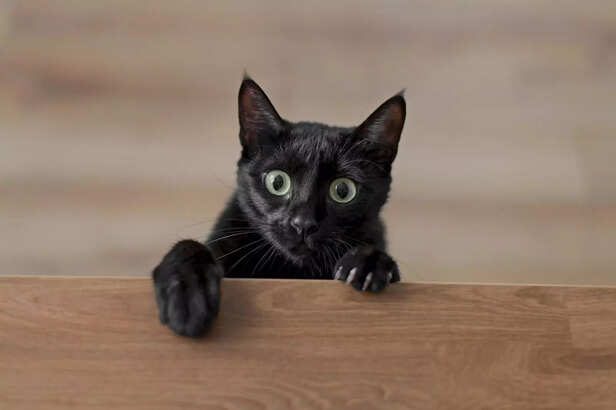
Ask anyone who has adopted a black pet, and the story changes completely. They talk about loyalty. Emotional intelligence. A calming presence. Black fur hides less dirt, sheds less visibly, and ages beautifully. Their eyes shine brighter against dark coats. Their expressions are deep and soulful. These are not second-choice animals. They are simply misunderstood.
The Emotional Cost Of Bias
For the animals, the cost is time. Longer stays in shelters increase stress, anxiety, and health issues. Social animals become withdrawn. Kittens grow up without homes. Puppies lose their playful energy behind bars, all because of a color they did not choose.
Shelters Fighting Back With Awareness
Many shelters now run Black Dog Syndrome campaigns to challenge this bias. They use better lighting, professional photography, creative storytelling, and honest conversations. Some even host events celebrating black animals. Slowly, perceptions are changing, but progress is uneven and slow.
Breaking this cycle requires awareness. When people understand the bias, they begin to question their own choices. Education shifts focus from appearance to connection. From superstition to science. From fear to empathy.
Adoption Is About Relationship, Not Color
A pet does not love you differently because of its fur. It does not protect you less. It does not understand superstition. Animals measure life in moments, not myths. When you adopt, you are choosing companionship, not decoration. Adopting a black animal is not an act of charity. It is an act of clarity. It means seeing beyond conditioning. It means choosing presence over prejudice. It means giving a home to someone who has waited longer simply because they were overlooked.
The Quiet Strength Of Black Animals
dog
Image credit : Freepik
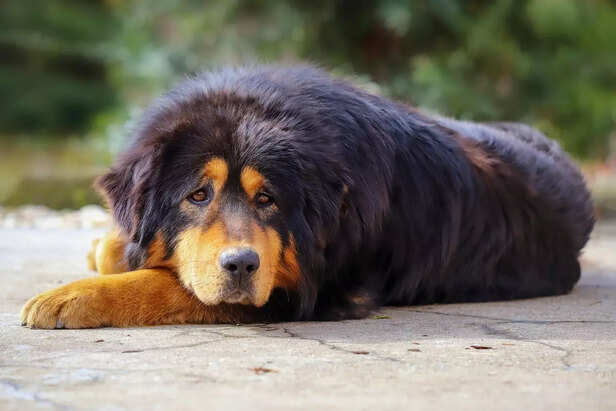
Black animals do not demand attention. They do not stand out loudly. They exist with quiet dignity. Their beauty is subtle, their trust deep, their bond strong. Once chosen, they rarely disappoint. Every adoption rewrites a narrative. Every black pet that leaves a shelter chips away at an outdated belief. The next time you consider adoption, pause before scrolling past. Look closer. The animal you skip might be the one who changes your life.
In A World Obsessed With Appearances
Choosing a black animal is a reminder that love is not about visibility. It is about connection. It is about the courage to see what others ignore. And sometimes, the most beautiful companions are the ones waiting quietly in the shadows.
Celebrate the bond with your pets, explore Health & Nutrition, discover Breeds, master Training Tips, Behavior Decoder, and set out on exciting Travel Tails with Times Pets!