
When Two Kings Collide: The Truth Behind The Jaguar Lion Hybrid
Anushka Tripathi | Feb 13, 2026, 17:00 IST

lion & jaguar
A jaguar-lion hybrid, known as a jaglion, captures human curiosity but exists only because of human intervention. Jaguars and lions never meet in the wild, and hybrid breeding raises serious ethical and welfare concerns. This article explores what a jaglion is, how it is created, its physical and behavioral challenges, and why such hybrids hold no conservation value. Beyond fascination, the story urges readers to rethink spectacle-driven curiosity and instead respect nature’s boundaries and the well-being of wild animals.
A jaguar lion hybrid is most commonly called a jaglion. The name itself is a blend of its parents, a jaguar and a lion. This hybrid is extremely rare and exists only under artificial conditions, usually in captivity. Jaguars and lions do not naturally share habitats in the wild, which is why such a pairing would never occur without human intervention. The jaglion is not a species, not a subspecies, and not a natural evolution. It is a genetic experiment that raises fascination, curiosity, and serious ethical questions.
Why Jaguars And Lions Never Meet In Nature
Lions evolved in Africa and parts of Asia, while jaguars belong to the Americas. Their ecosystems, prey, climates, and behaviors are completely different. Even their hunting styles vary. Lions are social hunters that rely on prides, while jaguars are solitary ambush predators. Nature separated them for a reason. Geography, evolution, and survival shaped them to thrive independently. A jaglion exists only because humans removed those natural boundaries.
How A Jaglion Is Created
leopard
Image credit : Pixabay
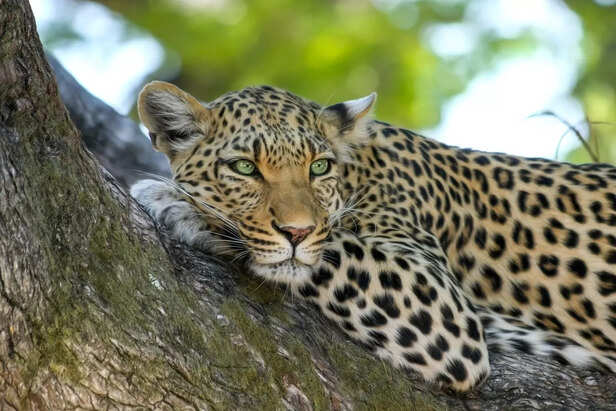
A jaglion is created when a male jaguar mates with a female lion, or less commonly, when a male lion mates with a female jaguar. These matings take place in zoos or private breeding facilities where animals are kept together artificially. Such breeding is not accidental. It is planned. That is what makes it controversial. Unlike natural hybrids like mules or ligers that emerged from overlapping habitats, jaglions are the result of deliberate human curiosity.
What A Jaglion Looks Like
Jaglions often inherit a mix of traits that can look both mesmerizing and unsettling. They may have the muscular build of a lion with the rosette patterns of a jaguar. Some show faint spots, others darker coats. Their heads tend to be broader, their jaws powerful, and their bodies unusually large or heavy. No two jaglions look exactly alike because genetics do not follow aesthetics. What looks fascinating on the outside often hides complexity and risk on the inside.
The Genetics Behind The Hybrid
lion
Image credit : Pixabay
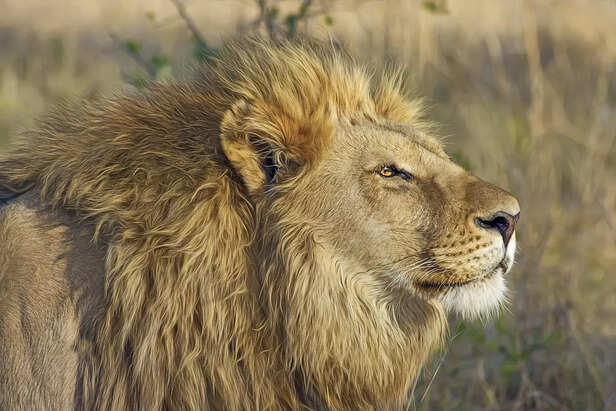
Lions and jaguars share a common ancestor, which makes hybridization possible at a biological level. However, compatibility does not mean suitability. Hybrid animals often face unpredictable genetic outcomes. Some jaglions are born healthy, while others suffer from developmental issues, immune weakness, or shortened lifespans. Nature usually filters out such combinations through evolution. In captivity, those filters are removed.
Do Jaglions Have Health Problems
Many big cat hybrids experience health challenges. Jaglions can suffer from joint problems, organ strain, abnormal growth patterns, and neurological issues. Because they are larger and heavier than their parents, their bodies may struggle to support their own weight. Some hybrids require lifelong veterinary care. Their size and strength also make routine handling dangerous for caretakers, increasing stress for both humans and animals.
Behavioral Confusion In Hybrid Big Cats
A jaglion does not inherit a clear behavioral script. Lions are social and communicative, while jaguars are solitary and territorial. A jaglion may display conflicting instincts, leading to stress, aggression, or withdrawal. These animals do not know whether to seek companionship or isolation. This internal confusion is rarely discussed when hybrids are promoted as attractions.
Why Humans Create Big Cat Hybrids
The motivation often comes down to spectacle. Hybrids attract attention, visitors, clicks, and money. The rarity of a jaglion makes it a living novelty. Some breeders justify it as education or conservation, but there is no conservation value in producing animals that cannot survive in the wild. Real conservation focuses on protecting habitats, not inventing animals that have no place in them.
Are Jaglions Used For Conservation
baby lion
Image credit : Pixabay
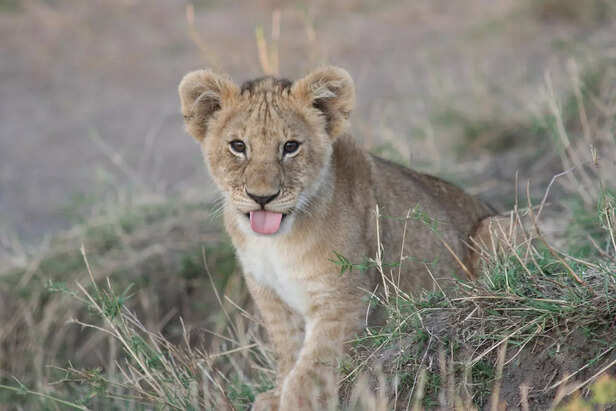
No. Jaglions cannot be released into the wild. They do not belong to any ecosystem. They do not strengthen gthe enetic diversity of wild populations. In fact, resources spent on hybrid breeding often divert attention from protecting endangered pure species. Conservation is about preservation, not creation.
The Ethical Debate Around Jaglions
Animal welfare experts strongly oppose intentional hybrid breeding. The question is simple yet uncomfortable. Just because humans can create something, does it mean they should? Jaglions are born into captivity, live under constant human control, and often face lifelong health risks. They exist to satisfy curiosity, not because nature asked for them.
The Emotional Cost For The Animal
Big cats are intelligent, emotionally complex beings. A jaglion grows up without a natural role, without a true identity, and without the freedom to express instinctive behavior. They cannot roam territories, hunt naturally, or integrate into a social structure that makes sense. This leads to boredom, frustration, and stress. Emotional suffering is harder to measure than physical illness, but it is just as real.
How Media Romanticizes Hybrids
Social media often presents jaglions as magical creatures, rare wonders, or symbols of power. What is missing from these images is context. A photograph does not show joint pain, stress pacing, or shortened lifespan. Viral content celebrates appearance but ignores consequence. When animals become content, their welfare often becomes secondary.
The Difference Between Natural And Artificial Hybrids
Some hybrids occur naturally when species overlap, such as wolves and coyotes. These animals play real ecological roles. Jaglions do not. Their existence depends entirely on captivity. This difference matters. Nature allows what works. Humans often create what looks interesting.
Why Jaglions Should Not Be Encouraged
Encouraging hybrid breeding sends the wrong message. It suggests that animals are experiments rather than living beings. It normalizes captivity as entertainment. It distracts from urgent issues like habitat loss, poaching, and climate change. The fascination with hybrids can overshadow the responsibility to protect animals as they are.
What We Should Be Curious About Instead
jaguar
Image credit : Pixabay
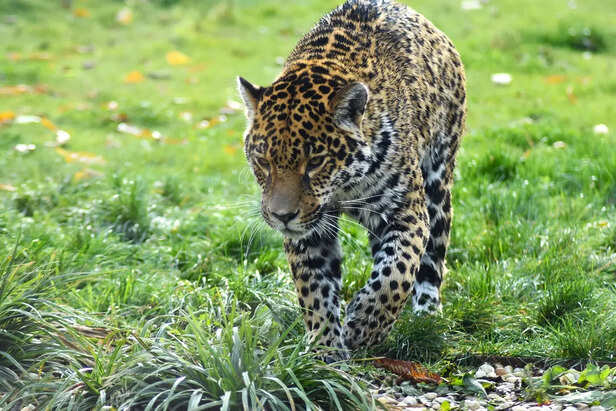
The real wonder lies in jaguars hunting silently through rainforests and lions moving together across savannas. Their natural behaviors, social bonds, and survival strategies are far more extraordinary than any hybrid. Curiosity should drive protection, not manipulation.
Legal And Regulatory Gaps
In many countries, hybrid big cats fall into legal gray zones. They are not always protected under wildlife laws because they are not recognized species. This loophole allows private ownership and breeding to continue with minimal oversight. Stronger regulations are needed to prevent exploitation disguised as innovation.
The Role Of Responsible Zoos
Ethical zoos focus on conservation, education, and animal welfare. They do not breed hybrids for display. They prioritize genetic integrity and natural behavior. Supporting such institutions helps shift public interest away from spectacle and toward sustainability.
Public Responsibility And Awareness
Every share, like, and visit sends a message. When people stop supporting places that exploit animals for novelty, the demand decreases. Awareness changes behavior. Curiosity can evolve into compassion.
Why The Jaglion Story Matters
The story of the jaglion is not just about a hybrid. It is about how humans interact with power. It reflects our tendency to cross boundaries without fully considering consequences. It asks us to question whether wonder should come at the cost of well-being.
Nature is not incomplete. It does not need improvement. Lions and jaguars are masterpieces of evolution on their own. When we blur those lines for entertainment, we risk losing respect for what already exists. The jaglion reminds us that mystery should inspire protection, not possession.
Choosing Respect Over Spectacle
The next time a jaglion image appears on your screen, pause. Ask not how rare it is, but why it exists. True awe comes from letting wild animals remain wild, untouched, and free. The greatest act of admiration is restraint.
Celebrate the bond with your pets, explore Health & Nutrition, discover Breeds, master Training Tips, Behavior Decoder, and set out on exciting Travel Tails with Times Pets!