
When Animals Took Over Paradise: Islands Where Humans Are Only Visitors
Anushka Tripathi | Feb 16, 2026, 17:30 IST

monkey
Image credit : Pixabay
In a world shaped by human dominance, a few rare islands tell a different story. These extraordinary places are ruled by animals, where humans arrive only as respectful visitors. From cat-filled fishing villages and rabbit-covered landscapes to swimming pigs, protected monkeys, and forbidden snake territories, these islands reveal what happens when nature leads, and humans step back. Emotionally grounding and eye-opening, this story explores coexistence, restraint, and the powerful reminder that Earth was never meant to belong to humans alone.
There are places on Earth where humans are not the main characters. Where footsteps slow down, voices soften, and the rules of dominance quietly change. On a handful of extraordinary islands across the world, animals reign not because they were placed on pedestals, but because humans stepped back, sometimes by choice and sometimes by circumstance. These islands are not zoos, not fantasy parks, and not myths. They are real, breathing ecosystems where animals roam freely and humans arrive only as guests. These places challenge the belief that the planet belongs to us alone and gently remind us that coexistence is not a concept but a practice.
The Cat Kingdom Of Aoshima
cat
Image credit : Pixabay
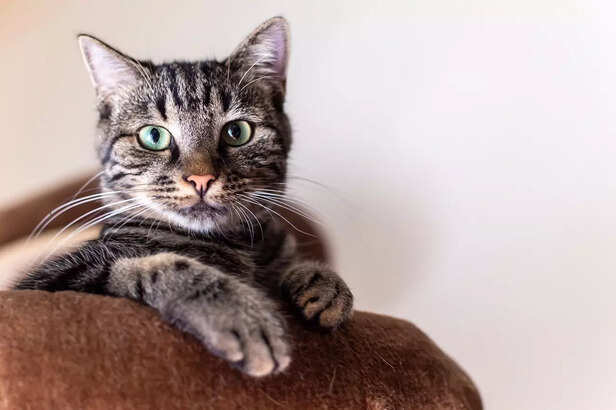
Aoshima is a small fishing island in Japan where cats outnumber humans by a staggering margin. Once introduced to control rodent populations on fishing boats, the cats stayed, multiplied, and eventually transformed the island into a feline stronghold. Today, only a handful of elderly residents remain, while hundreds of cats lounge on docks, sun themselves on rooftops, and greet visitors with unapologetic confidence. There are no cat cafes, no structured feeding zones, and no commercialization. The cats live as they always have, independent and unbothered. Humans adapt to their presence, not the other way around. The silence of the island, broken only by waves and soft meows, makes it clear who truly belongs here.
The Gentle Rule Of Rabbits On Okunoshima

rabbits
Image credit : Pixabay
Okunoshima carries a complex past. Once a secret site for chemical weapons production during World War II, the island later became home to hundreds of rabbits. Whether they are descendants of laboratory animals or introduced after the war remains debated, but what is certain is how deeply they have reshaped the island’s identity. Today, rabbits roam freely across paths, beaches, and ruins, approaching visitors without fear. There are no predators here, no cages, and no leashes. The rabbits set the pace of life. Visitors learn quickly to walk carefully, to sit quietly, and to let curiosity come to them. The island’s painful history contrasts sharply with its present innocence, making it a place where healing feels possible through gentleness.
Swimming With Freedom At Pig Beach, Exuma
pigs
Image credit : Pixabay
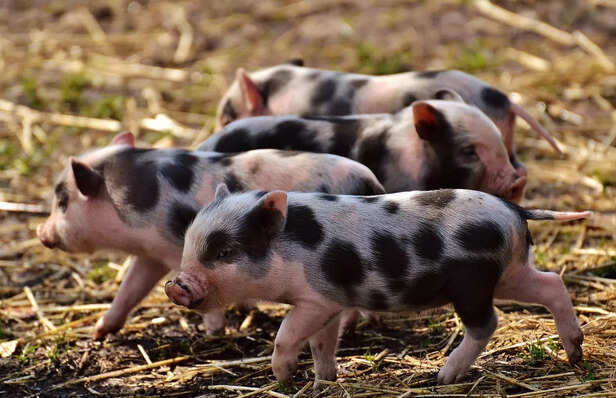
Pig Beach in the Exuma Cays of the Bahamas is one of the most surreal destinations on the planet. Here, pigs paddle through crystal clear waters, snouts lifted confidently as boats approach. The origins of the pigs are unclear. Some believe sailors left them behind with plans to return, while others suggest they were deliberately brought to attract tourism.
Regardless of how they arrived, the pigs have adapted remarkably well. They swim, socialize, and live freely without fences or handlers. Humans arrive by boat, follow strict rules, and adjust their behavior around the animals. The pigs decide when interaction happens. This unusual balance of curiosity and respect has turned Pig Beach into a lesson on boundaries in wildlife tourism.
Snow, Silence, And Sovereignty On Monkey Island
Deep in Japan’s colder regions lies a place where Japanese macaques live largely undisturbed by modern life. Often referred to as Monkey Island, this sanctuary allows macaques to behave exactly as they would in the wild. They forage, groom, fight, reconcile, and soak in hot springs during harsh winters. Humans are allowed to observe but not interfere. Feeding is controlled, interaction is restricted, and distance is mandatory. The monkeys do not perform, pose, or seek approval. Watching them feels like stepping into a parallel world where social rules mirror our own, yet remain untouched by human expectation. It becomes impossible not to reflect on how thin the line is between observer and intruder.
The Forbidden Throne Of Ilha da Queimada Grande
Off the coast of Brazil lies one of the most dangerous islands on Earth. Ilha da Queimada Grande is home to the golden lancehead viper, a snake so venomous that a single bite can be fatal. Humans are strictly prohibited from visiting without special permission, and even then, only scientists are allowed under heavy regulation. The snakes dominate every inch of the island, from trees to rocks to shorelines. There are no resorts, no curiosity seekers, and no casual explorers. Nature has claimed absolute authority here. This island represents the most extreme example of animals ruling not through coexistence, but through undeniable power. It forces us to accept that some places are not meant to be shared.
Why These Islands Exist At All
cats
Image credit : Pixabay
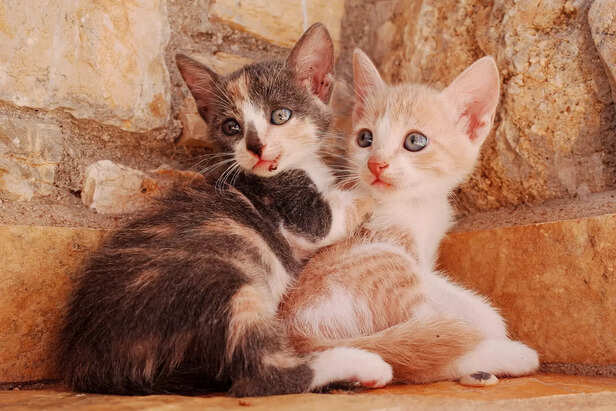
These animal-ruled islands did not emerge by accident alone. Some were shaped by human abandonment, others by intentional protection, and a few by sheer biological inevitability. In each case, the absence or limitation of human interference allowed ecosystems to recalibrate. Without roads, industries, or urban expansion, animals reclaimed space that was once shared or contested. These islands expose a quiet truth. When humans retreat, nature does not collapse. It stabilizes, adapts, and often flourishes.
Tourism Or Trespassing
As these islands gain global attention, an important question arises. Are humans visitors or invaders? Responsible tourism plays a critical role in preserving these ecosystems. Strict guidelines, limited access, and educational emphasis help ensure that animals remain safe and unexploited. However, viral fame and unchecked curiosity can quickly disrupt delicate balances. The line between appreciation and intrusion is thin. These islands survive because rules exist, and because respect is enforced.
Emotional Lessons From Animal-Led Worlds
Spending time in spaces where humans are not dominant is a humbling experience. It challenges entitlement and forces mindfulness. On these islands, humans wait, watch, and adapt. The animals do not perform gratitude, fear, or obedience. They simply exist. This reversal of roles stirs something deeply emotional. It reminds us that power does not always roar. Sometimes it sits quietly in the sun, hops across a path, or swims confidently toward the horizon.
What These Islands Teach Humanity
These islands are not just travel curiosities. They are living reminders of coexistence, restraint, and respect. They show that harmony does not require control. It requires boundaries. In a world where human expansion threatens ecosystems daily, these rare sanctuaries offer hope. Not because they exclude humans entirely, but because they redefine our role. We are not rulers everywhere. Sometimes, we are guests. And when we accept that role with humility, the planet breathes a little easier.
A World That Still Belongs To More Than Us
Animal-ruled islands are quiet rebellions against human-centered narratives. They exist as proof that Earth is shared space. These islands do not ask us to disappear. They ask us to listen, to learn, and to step back when needed. In doing so, they reveal a more balanced version of life, one where dominance gives way to coexistence and where being a guest is not a loss of power, but a gain in perspective.
Celebrate the bond with your pets, explore Health & Nutrition, discover Breeds, master Training Tips, Behavior Decoder, and set out on exciting Travel Tails with Times Pets!