The Chow Chow is one of the oldest dog breeds on record, and it behaves like it. Bred in ancient China as a hunting dog, sled dog, and property guardian, it was never shaped by centuries of eager-to-please selection the way a Labrador or Golden Retriever was. The result is a dog that is loyal to its person, suspicious of everyone else, and entirely uninterested in performing for your approval. In a Gurgaon or Pune flat, with a rotating cast of guests, delivery staff, and children from the building, that temperament creates real friction if the owner does not understand what they are working with.
What the Chow Chow was bred to do
The breed originated in northern China, where it served as a working dog for hunting, hauling, and guarding. Some historical accounts place it among the oldest recognisable dog types in Asia, with physical features, the distinctive blue-black tongue, the near-straight hind legs, the dense double coat, that are genuinely unusual among domestic dogs. It was bred to make decisions independently, to hold territory, and to be wary of strangers. None of that was bred out. A Chow Chow that keeps its distance from your guests is not being difficult. It is doing exactly what its lineage prepared it to do.
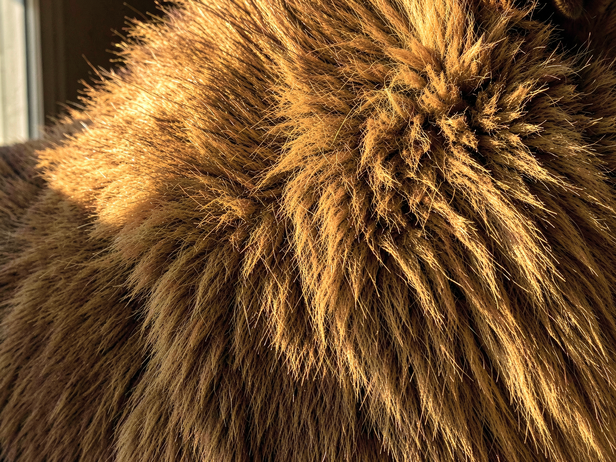
![Lion Dog's Golden Coat]()
Lion Dog's Golden Coat
Image credit : AI
The luxurious, natural golden coat of a Chow Chow dog, showcasing its dense texture. This breed is known for its unique temperament.
Temperament: what aloofness actually means day to day
Chow Chows typically bond deeply with one or two people in the household and are indifferent to, or actively uncomfortable with, everyone else. This is not shyness that socialisation will fully resolve. Early and thorough socialisation, exposing a puppy to a wide range of people, sounds, and situations during the critical window before sixteen weeks, reduces reactivity and makes the dog manageable. It does not turn a Chow into a social breed.
The breed is not known for tolerance of rough handling. Children who approach a Chow the way they would a Labrador, grabbing, hugging, getting in its face, are taking a real risk. Most incidents involving Chow Chows and children happen because the dog's signals were missed or ignored. The breed does not escalate loudly. It gives quiet, subtle warnings and then acts. Families with young children who have not kept dogs before, and who cannot supervise every interaction, should think carefully before choosing this breed.
Chow Chows can also be territorial with other dogs, particularly those of the same sex. Multi-dog households require careful introduction and management.
What the coat and build actually cost you
The Chow Chow comes in two coat varieties: rough, which is the familiar thick lion's mane, and smooth, which is shorter but still dense. Both are double-coated and shed heavily, with two major seasonal blowouts a year. In India's climate, particularly in cities that see humid summers, the coat traps heat. A Chow Chow in Chennai or Mumbai in May is genuinely uncomfortable. The breed does better in cooler climates and needs air conditioning during hot months, not as a luxury but as a welfare requirement.
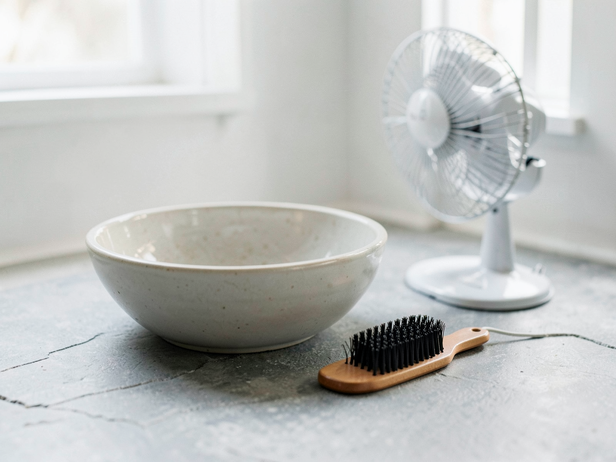
Grooming the rough coat takes real time: brushing several times a week to prevent matting, more during shedding season. Owners who underestimate this end up with a matted, uncomfortable dog and expensive grooming bills. The smooth variety is more manageable but still not low-maintenance.
Exercise needs are moderate compared to working breeds like the Siberian Husky or Belgian Malinois. A Chow does not need to run ten kilometres a day. It needs daily walks and mental engagement. What it cannot tolerate is long periods of heat during those walks. Early morning or evening exercise is not optional in most Indian cities for six months of the year.
![Morning Grooming Essentials]()
Morning Grooming Essentials
Image credit : AI
Preparing for a day of pampering. This Chow Chow temperament is perfect for families.
Health predispositions the breed carries
The Chow Chow's unusual anatomy, the near-straight hind legs, the deep-set eyes, the heavy facial folds, comes with a set of known predispositions. Entropion, where the eyelid rolls inward so the lashes rub against the eye, is common in the breed and often requires surgical correction. Hip dysplasia is a predisposition, as it is in many medium-to-large breeds. The skin folds around the face need regular cleaning to prevent infection. Thyroid issues, specifically hypothyroidism, appear at higher rates in Chow Chows than in many other breeds.
None of these are certainties. A well-bred dog from health-tested parents has better odds. But a buyer who does not ask the breeder about OFA hip certifications and eye clearances, and who does not budget for the possibility of corrective surgery, is not prepared for what this breed may cost over its lifetime.
Who the Chow Chow actually suits
The Chow Chow is a good fit for an owner who wants a loyal, calm, dignified companion and is comfortable with a dog that does not perform affection for visitors. It suits someone who has kept dogs before, understands canine body language, and will invest in early socialisation and consistent, reward-based training from puppyhood. It suits a household without young children, or one where adults can supervise every interaction between the dog and a child without exception.
It is a poor fit for first-time owners who expect a dog that is universally friendly. It is a poor fit for households in hot, humid climates without reliable air conditioning. It is a poor fit for anyone who wants a dog that will play with the kids in the building's common area.
The appeal of the breed is real, the coat, the bearing, the quiet loyalty to its person. But that appeal is often based on how the dog looks in photographs rather than what it is like to live with. The Chow Chow does not adapt to the owner's expectations. The owner adapts to the dog's nature, or the relationship does not work.