The Miniature Schnauzer walks into a room and people notice. The rectangular muzzle, the thick beard, the eyebrows that look permanently raised in mild disapproval, it is a silhouette that reads immediately. But the breed's personality is just as distinct as its face: alert, opinionated, and energetic in a way that surprises people who expected a lapdog.
Where the breed comes from and what that means today
The Miniature Schnauzer was developed in Germany in the late 19th century, bred down from the Standard Schnauzer with crosses that likely included the Affenpinscher and possibly the Poodle. The job was ratting, hunting vermin on farms. That working background explains a lot about the dog you bring home today. This is not a breed that sits quietly and waits. It investigates, it vocalises, and it forms strong opinions about strangers, other dogs, and anything that moves unexpectedly. In a Pune or Bengaluru flat, that terrier drive needs an outlet: daily walks, puzzle feeders, and training that keeps the mind occupied. A bored Miniature Schnauzer will find its own entertainment, and the furniture usually suffers.
![Grooming Essentials Laid Bare]()
Grooming Essentials Laid Bare
Image credit : AI
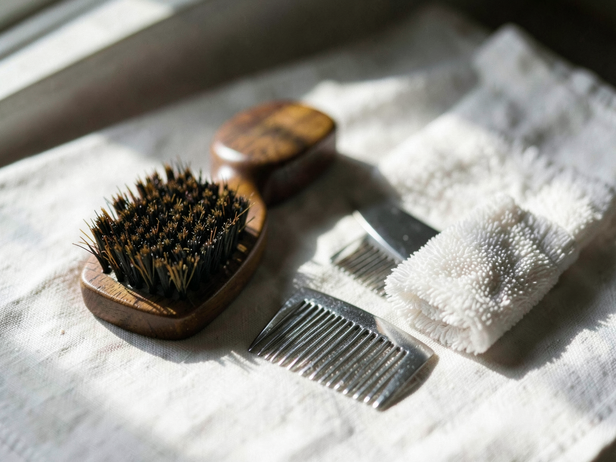
Essential grooming tools for your miniature schnauzer's coat care, bathed in soft morning light.
The coat: what it is, what it needs
The Miniature Schnauzer has a double coat, a hard, wiry outer layer and a soft, dense undercoat. The wiry texture is the breed's signature, but it does not maintain itself. Left ungroomed, the coat grows shaggy and mats where the furnishings, the beard, the eyebrows, the leg feathering, trap moisture and debris. There are two ways to maintain it: hand-stripping, which pulls the dead outer coat out at the root to preserve the wiry texture and colour, or clipping, which cuts the coat and over time softens the texture and fades the colour. Most pet owners in India choose clipping for practical reasons; show owners strip. Either way, the dog needs professional grooming every six to eight weeks. The beard is the highest-maintenance part. It collects food, water, and whatever the dog has been sniffing, and it needs wiping down after every meal and a proper wash at least weekly. Owners who skip this find the beard smells before the rest of the dog does.
The fat sensitivity: pancreatitis risk
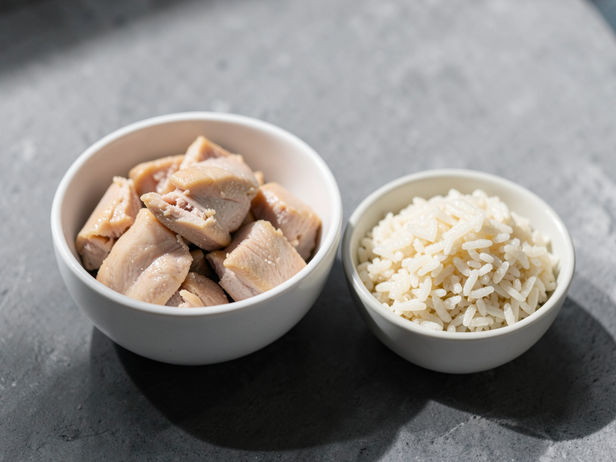
This is the part of Miniature Schnauzer ownership that catches people off guard, and it is genuinely important. The breed has a well-documented predisposition to hyperlipidaemia, abnormally high levels of fat in the blood, and to pancreatitis, an inflammation of the pancreas that can range from a miserable few days to a life-threatening emergency. The pancreas produces enzymes that digest fat; when fat intake is high and the organ is already predisposed to overreaction, those enzymes can activate prematurely and begin digesting the pancreas itself. Signs of a pancreatitis episode include vomiting, a hunched posture, reluctance to eat, and abdominal pain. A dog that shows these signs needs a vet the same day, not a wait-and-see approach. The dietary implication is straightforward: Miniature Schnauzers should not eat fatty scraps. In Indian households where a piece of roti with ghee, leftover mutton gravy, or a bit of paneer fried in oil seems like a harmless treat, the breed's sensitivity means it is not harmless. Plain cooked chicken, plain rice, or a small piece of plain boiled egg is a safer treat than anything cooked with fat. This is not a breed where the family-table-scraps habit works out well.
![Simple Chicken and Rice]()
Simple Chicken and Rice
Image credit : AI
My simple meal of chicken and rice, a healthy choice for any miniature schnauzer.
Other health considerations
Beyond the fat sensitivity, the Miniature Schnauzer has a few other predispositions worth knowing before bringing one home. Bladder stones, particularly struvite and calcium oxalate types, appear more often in this breed than in most others; adequate water intake and a diet appropriate for the breed help reduce risk, but stone-forming dogs may need a prescription diet, a call for the vet, not a home decision. The breed can also develop comedone syndrome, a skin condition where blackhead-like plugs form along the back; it is usually manageable and rarely serious, but it looks alarming when owners first notice it. Eye conditions, including cataracts and progressive retinal atrophy, occur in the breed, so a reputable breeder will have the breeding pair's eye certifications. Myotonia congenita, a hereditary muscle condition, is rare but associated with the breed; responsible breeders test for it.
What life with a Miniature Schnauzer actually looks like
The Miniature Schnauzer adapts well to flat living if the exercise and mental stimulation are consistent. It does not need a garden, but it does need two proper walks a day and something to think about. It is a vocal breed, it will alert to sounds through the door, which some owners find reassuring and neighbours find less so. It tends to bond closely with its household and can be reserved with strangers, which means early and ongoing socialisation matters. With children it is generally good, though its terrier impatience means very young children who grab and pull need supervision. The grooming commitment is real and ongoing; this is not a wash-and-go dog. The dietary discipline around fat is non-negotiable, not a preference. Owners who go in knowing both of those things tend to find the breed enormously rewarding, sharp, loyal, and genuinely funny to live with.