A clump of fur on the sofa is not always the same problem. Sometimes it is a seasonal event that peaks and passes. Sometimes it is a slow, constant background hum that never fully stops. Knowing which kind of shedder you have changes how you manage it, and it starts with understanding what the coat is actually doing.
Double coats and the biology of the seasonal burst
Dogs with double coats carry two distinct layers: a dense, soft undercoat that traps air and regulates body temperature, and a coarser outer layer of guard hairs that repels water and debris. The undercoat does not grow continuously. It follows a cycle tied to daylight hours, called the photoperiod. When day length shifts, the follicles receive a hormonal signal to shed the old undercoat and grow a new one. The result is a concentrated dump of fur over two to six weeks, twice a year, that owners of Huskies, German Shepherds, Samoyeds, and similar breeds call coat blow. In India, where temperature swings are less dramatic than in northern Europe, this cycle can be less sharply timed, but it still happens. The coat does not know it is in a Gurgaon flat. The follicle responds to light, not to whether there is a garden outside.
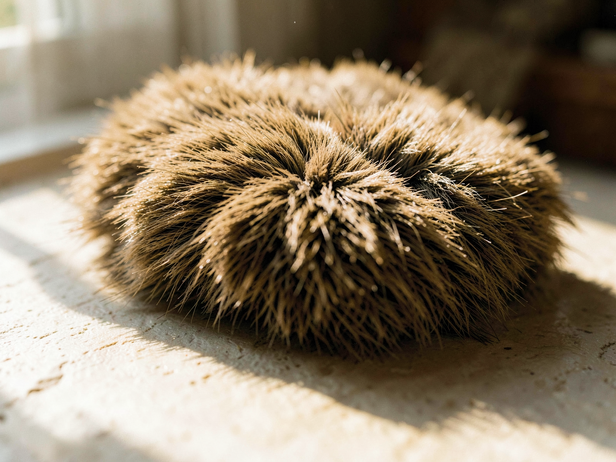
![Soft Fur on Stone]()
Soft Fur on Stone
Image credit : AI
Observing the natural shedding of dog fur, a common sight for many dog breeds that shed year-round.
Single coats and the logic of continuous shedding
Single-coated breeds carry only guard hairs, with little or no undercoat. Labrador Retrievers, Beagles, Indie dogs, and Pugs fall broadly into this group. Their hair follicles cycle through growth, rest, and release on a rolling, asynchronous basis rather than a synchronised seasonal one. At any given moment, some follicles are growing, some are resting, and some are releasing. The result is a steady trickle of shed hair rather than a dramatic seasonal dump. Owners often find this easier to manage week to week, but it never fully stops. There is no off-season. A Labrador in a Mumbai flat sheds in January, April, and August with roughly the same consistency.
What Indian flat conditions do to both patterns
Artificial lighting and year-round air conditioning can blur the photoperiod signal that drives seasonal shedding in double-coated breeds. A Husky living under constant LED lighting and a 22-degree thermostat may shed more continuously than one that spends time outdoors, because the follicle never receives a clean seasonal cue. This is not a health problem, but it does mean the dramatic twice-yearly burst can spread into a lower-level year-round shed. Conversely, some double-coated breeds in Indian homes shed more intensely when the flat's temperature rises in summer, which can coincide with a coat-blow cycle and make the burst feel even heavier than it would in a cooler climate.
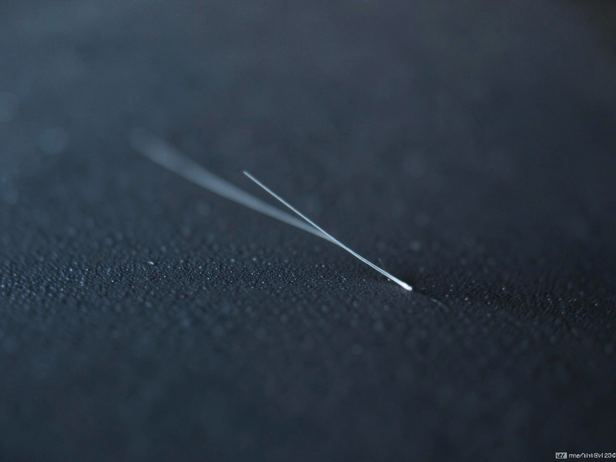
![Single Dog Hair Strand]()
Single Dog Hair Strand
Image credit : AI
Observing the fine detail of a dog hair, a common sight for those managing dog shedding in India.
Breeds that barely shed and why
Poodles, Bichon Frises, and some terriers are often described as low-shedding or non-shedding. The more precise description is that their hair follicles have a very long anagen phase, meaning the active growth period lasts much longer before the hair is released. The hair that does shed often gets caught in the surrounding coat rather than falling to the floor, which is why these dogs need regular grooming to prevent matting. They are not shedding less in absolute terms so much as losing it in a different way. For owners with allergies, the practical difference is real: less airborne dander and less loose hair on surfaces. But no dog is fully hypoallergenic, because dander comes from skin and saliva, not only from shed fur.
Reading your dog's shedding as a health signal
Normal shedding, whether seasonal or continuous, comes with a coat that looks full and skin that looks clean. Shedding that produces bald patches, visible skin irritation, a dull or brittle coat, or a sudden change in the pattern your dog has always shown is worth a vet visit. Thyroid imbalances, skin infections, nutritional gaps, and internal parasites can all alter the shedding cycle. The coat is one of the more visible indicators of what is happening internally, which is why a dramatic change in shed pattern, rather than the pattern itself, is the signal to act on.