
Tiny Pets That Need Very Little Space and Are Perfect for Small Homes
Upasna Yadav | Mar 17, 2026, 08:00 IST

Tiny Pets Perfect for Small Living Spaces
Small pets like rabbits, guinea pigs, rats, mice, and hamsters can be wonderful additions to your home, but they're also a significant commitment. It's crucial to do your research before bringing any of these pets home. Careful consideration is essential to choose the best pet for you and your family. Ensure you can provide everything they need to thrive. If you can meet their requirements, and they can fulfill your needs, you're likely to be a perfect match.
Highlights
1. Pets bring such a valuable addition to children’s lives. Selecting the best small pets for kids depends on selecting which is right for your family whilst carefully considering whether you can offer them a home for life.
2. Many kids love the cute and the cuddly. Wrap these up in a living, breathing animal and you have an opportunity for pure childhood joy alongside learning responsibility and care skills. However, many parents have never owned small pets before, or at least not since their own childhood, so what are the best small pets for kids?
3. Small pets are easy to care for with minimal grooming requirements, though they do need a clean, safe, and spacious habitat to stay healthy and active.
2. Many kids love the cute and the cuddly. Wrap these up in a living, breathing animal and you have an opportunity for pure childhood joy alongside learning responsibility and care skills. However, many parents have never owned small pets before, or at least not since their own childhood, so what are the best small pets for kids?
3. Small pets are easy to care for with minimal grooming requirements, though they do need a clean, safe, and spacious habitat to stay healthy and active.
Why keep small pets?
Not everyone can keep a dog or a cat in their living space. For reasons ranging from disabilities to allergies to rules for renters, sometimes if one wants an animal companion, they have to look for other alternatives. I have known people who kept snakes, rabbits, ferrets, spiders and guinea pigs, among other unusual pets, but since we don’t have the space in this article to cover all the options, we will just focus on a few relatively easy to care for options: small reptiles, small mammals, small birds and fresh.
Why small tame birds?
Tame birds are the most engaging and intelligent nonhuman companions you can have. But if you are looking for an alternative to a dog or a cat due to space or time restrictions, a large bird such as a macaw or Amazon parrot or cockatoo is going in the wrong direction! The most talkative and intelligent birds, such as the blue and gold macaw or the African grey parrot, are also the most sensitive and difficult birds to keep happy and sane. And they live for up to 75 years if kept healthy! That’s more than a lifetime commitment. Small birds such as parakeets/budgies, lovebirds, cockatiels and canaries are much more suitable to an apartment environment, or a small family home.
Benefits of Pocket Pets as Companions
Children learn responsibility through daily feeding and cage cleaning routines that build empathy and routine. Pocket pets offer low-allergen companionship compared to cats or dogs, suiting sensitive households. Our veterinarians note that gentle handling from a young age creates bonds where animals seek interaction voluntarily. Their short lifespans teach life cycles in a manageable timeframe. Provide chew toys to prevent overgrown teeth that cause eating difficulties and mouth pain. Clean water bottles daily to avoid bacterial growth that leads to digestive upset. Our clinic recommends weekly weigh-ins since even small weight drops signal illness in these tiny patients. Dust baths for chinchillas and sand for gerbils maintain coat health naturally.
Best small pets for small space
1. Gerbils
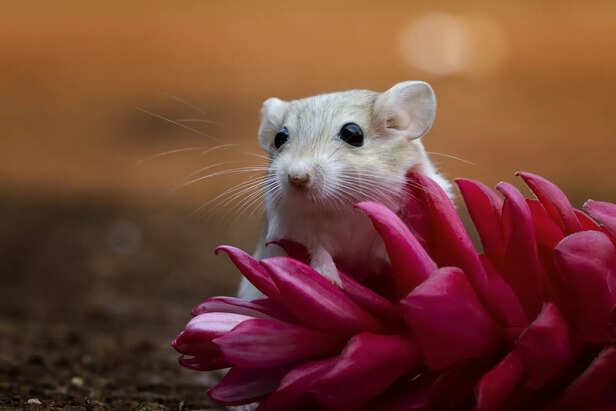
Cute Small Pet Gerbil Sitting Peacefully
Generally bigger than a hamster but just as sociable and friendly, gerbils are another popular first small pet for children. Gerbils are social animals like rabbits and guinea pigs, so make sure you get at least two same-sex gerbils. They are fastidiously clean, so this helps the owners. They are fun and characterful to watch, and as burrowing animals they make for real-life games of peek-a-boo. However, they are also zippy little things and can be tricky for younger children to hold without squeezing too hard. Therefore, if handling the pet is a priority for your child a gerbil may not be the best option. They can be active at any time, either during the night or day, and are great for a curiously watchful child. They live for between two and four years.
2. Mice
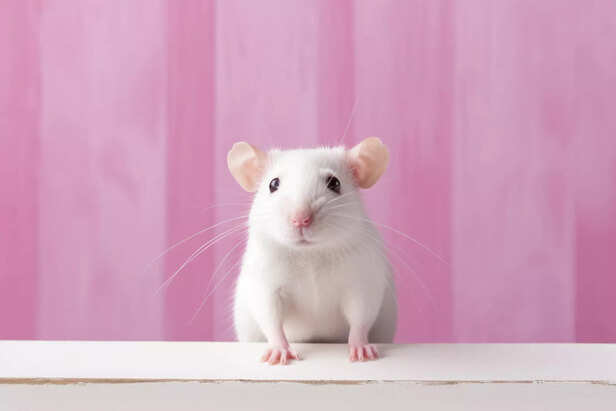
Cute Tiny Pet Mouse Close-Up
Just like rats, mice also have a bad rep, but when it comes to pets, these fuzzy creatures don’t cause a lot of havoc if they’re well taken care of. These cute, furry guys require a well-ventilated cage with bedding and nesting materials. Be sure to throw in a running wheel, as similarly to hamsters, mice need to run. Plan to spot clean their cage at the end of the day, and do a more thorough cleaning once a week. As for food, their diets mirror those of the rat, and they enjoy pellet food alongside the occasional fruit, grain and vegetable.
3. Canary
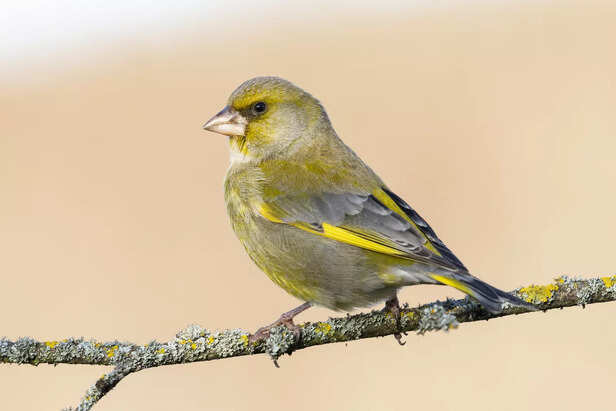
Bright Yellow Canary Perched on a Branch
Named after the islands from which they came, canaries are a great pet for inexperienced owners and those who want a low-maintenance companion. As long as you provide proper housing (room for flight is ideal, minimum 18"W x 14"D x 18"H) and a good food source (mostly pellets), they’ll be good. Just be sure to spot clean for soiled materials and food waste. As with parakeets, you’ll also need to do a nightly washing of food and water bowls. Keep an eye on their nails, too, and have an avian veterinarian do the trimming. (This can be every few weeks but as infrequently as every few months.) No need to coddle or cuddle—they are ornamental pets who prefer not to be handled. Just take note: If you want a bird because it sings, you’ll want a male canary. Females chirp.
Celebrate the bond with your pets, explore Health & Nutrition, discover Breeds, master Training Tips, Behavior Decoder, and set out on exciting Travel Tails with Times Pets!
Frequently asked questions (FAQs)
- Are tiny pets easy to take care of ?
Yes, many tiny pets are relatively easy to care for. They usually require less space, simple feeding routines, and basic habitat maintenance compared to larger pets. - Which tiny pet is best for beginner ?
Hamsters, betta fish, and guppies are great choices for beginners because they are hardy, easy to feed, and do not require large living spaces. - Do tiny pets need a lot of attention?
Most tiny pets need moderate care but not constant attention. Regular feeding, cleaning their cage or tank, and ensuring proper habitat conditions are usually enough