
These Are the Most Lethal Animals That Can Kill in Seconds
Deepak Rajeev | Apr 24, 2026, 18:33 IST

Most Lethal Animals on Earth (Image Credit: AI)
Some of the world’s most lethal animals can cause fatal effects in seconds due to powerful venom, neurotoxins, or rapid physiological disruption. Creatures like the box jellyfish, inland taipan, blue-ringed octopus, cone snail, and stonefish demonstrate how quickly nature can act. Their biological weapons target nerves, heart, and breathing systems with extreme efficiency, often leaving little time for survival.
In the natural world, lethality is not always about size or strength. Some of the most dangerous animals operate at a speed so extreme that the human body has little to no time to react once contact is made. These creatures rely on venom, neurotoxins, or rapid physiological disruption that can overwhelm vital systems within seconds or minutes. While such encounters are rare, scientific studies have documented how certain species possess biological mechanisms capable of causing rapid collapse under the right conditions. What follows is a closer look at some of the most lethal animals known, each with a unique method of delivering effects that can become critical in an extremely short time frame.
![Box Jellyfish | Instagram - @lona_brak]() The box jellyfish is often considered one of the most dangerous marine animals in the world due to the potency and speed of its venom. Found mainly in Indo-Pacific waters, it is nearly transparent, making it extremely difficult to detect while swimming. Its tentacles are lined with millions of microscopic stinging cells that release toxins upon contact.These toxins attack the heart, nervous system, and skin simultaneously. In severe cases, the venom can trigger cardiac arrest in a matter of minutes, sometimes before a victim is able to reach shore or call for help. The danger is not only in its toxicity but also in how silently and quickly it acts once contact occurs.
The box jellyfish is often considered one of the most dangerous marine animals in the world due to the potency and speed of its venom. Found mainly in Indo-Pacific waters, it is nearly transparent, making it extremely difficult to detect while swimming. Its tentacles are lined with millions of microscopic stinging cells that release toxins upon contact.These toxins attack the heart, nervous system, and skin simultaneously. In severe cases, the venom can trigger cardiac arrest in a matter of minutes, sometimes before a victim is able to reach shore or call for help. The danger is not only in its toxicity but also in how silently and quickly it acts once contact occurs.
![Inland Taipan | Instagram - @ssssmithy]() The inland taipan, a highly venomous snake native to Australia, is known for producing one of the most potent venoms of any land snake. While it is generally reclusive and rarely encountered by humans, its defensive bite delivers a complex mixture of neurotoxins and hemotoxins. These compounds can begin disrupting blood clotting, nerve communication, and muscle control rapidly. Without medical intervention, symptoms may escalate quickly, affecting vital organ function. What makes the inland taipan particularly notable is not aggression, but the sheer biochemical efficiency of its venom delivery system.
The inland taipan, a highly venomous snake native to Australia, is known for producing one of the most potent venoms of any land snake. While it is generally reclusive and rarely encountered by humans, its defensive bite delivers a complex mixture of neurotoxins and hemotoxins. These compounds can begin disrupting blood clotting, nerve communication, and muscle control rapidly. Without medical intervention, symptoms may escalate quickly, affecting vital organ function. What makes the inland taipan particularly notable is not aggression, but the sheer biochemical efficiency of its venom delivery system.
Despite its small size, the blue-ringed octopus carries venom that is far more powerful than many larger marine predators. Found in tide pools and shallow coastal waters, it often appears harmless until it feels threatened, at which point its vivid blue rings become visible as a warning signal. Its venom contains tetrodotoxin, a neurotoxin that blocks sodium channels in nerve cells. This can lead to rapid muscle paralysis, including the muscles required for breathing. The most dangerous aspect is how quickly the toxin can take effect, leaving very little time for response or treatment if exposure is significant.
The cone snail may appear slow and harmless due to its shell and limited movement, but it is one of the most efficient predatory organisms in the ocean. It uses a specialised harpoon-like tooth to inject venom into prey, immobilising it almost instantly. Its venom is a complex mix of neurotoxins known as conotoxins, which interfere with nerve signalling. In humans, this can result in rapid paralysis and respiratory failure. Because there is no known universal anti-venom for all cone snail species, medical response depends heavily on supportive care and time.
The pufferfish is widely known in some cuisines, but it contains tetrodotoxin in its internal organs, particularly the liver and skin. This toxin is highly potent and affects the nervous system by blocking essential nerve signals. If improperly prepared or accidentally ingested, the toxin can lead to rapid onset of paralysis and respiratory failure. Symptoms can begin within a short period, depending on exposure level. Its danger lies not in aggression, but in the extreme potency of a naturally occurring chemical defence.
The stonefish is one of the most venomous fish in the world and is often found camouflaged on the seafloor, resembling rocks or coral. This makes accidental contact more likely for unsuspecting swimmers or divers. Its dorsal spines inject venom when stepped on or touched, leading to intense pain, tissue damage, and in severe cases, systemic effects that can escalate quickly without treatment. The speed of pain onset is one of its most defining characteristics, often described as immediate and overwhelming.
The Brazilian wandering spider is known for its highly potent neurotoxic venom and aggressive defensive behavior when threatened. Unlike many spiders that rely on webs, it actively hunts on the ground, increasing the likelihood of encounters in human-inhabited areas. Its venom affects nerve signalling and can cause rapid physiological responses in severe cases. While fatalities are rare due to modern medical treatment, untreated serious envenomation can progress quickly. Its reputation comes from both its toxicity and its unpredictable behavior when disturbed.
These animals demonstrate that speed in nature is not always visible movement, but internal biological action. Venom and toxins act as molecular tools that can interrupt nerve signals, heart function, or cellular communication in very short time frames.
However, it is important to understand that most of these species are not actively seeking human interaction. Their biological systems evolved for survival, hunting, or defence in specific environments. Human encounters are accidental in most cases, and awareness is the key factor in prevention. Nature’s most lethal organisms are not defined by aggression alone, but by how efficiently they can influence life processes when contact occurs.
Celebrate the bond with your pets, explore Health & Nutrition, discover Breeds, master Training Tips, Behavior Decoder, and set out on exciting Travel Tails with Times Pets!
Box Jellyfish
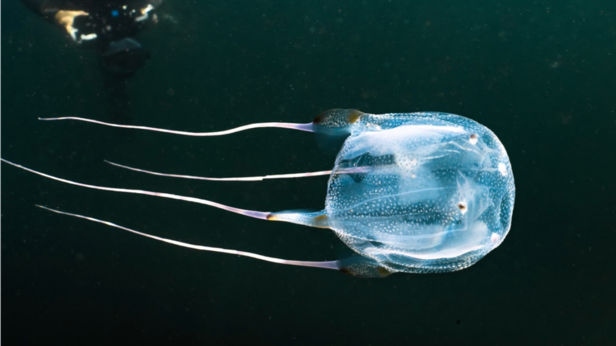
Box Jellyfish | Instagram - @lona_brak
Inland Taipan
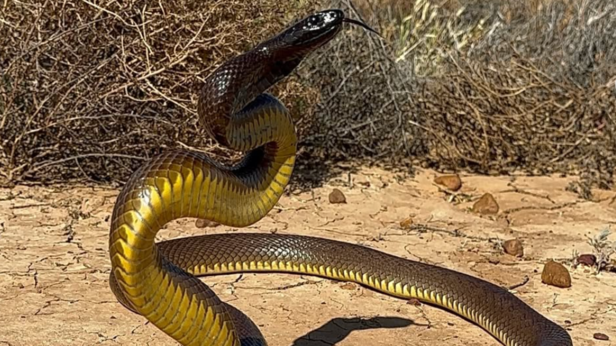
Inland Taipan | Instagram - @ssssmithy
Blue-Ringed Octopus
Despite its small size, the blue-ringed octopus carries venom that is far more powerful than many larger marine predators. Found in tide pools and shallow coastal waters, it often appears harmless until it feels threatened, at which point its vivid blue rings become visible as a warning signal. Its venom contains tetrodotoxin, a neurotoxin that blocks sodium channels in nerve cells. This can lead to rapid muscle paralysis, including the muscles required for breathing. The most dangerous aspect is how quickly the toxin can take effect, leaving very little time for response or treatment if exposure is significant.
Cone Snail
The cone snail may appear slow and harmless due to its shell and limited movement, but it is one of the most efficient predatory organisms in the ocean. It uses a specialised harpoon-like tooth to inject venom into prey, immobilising it almost instantly. Its venom is a complex mix of neurotoxins known as conotoxins, which interfere with nerve signalling. In humans, this can result in rapid paralysis and respiratory failure. Because there is no known universal anti-venom for all cone snail species, medical response depends heavily on supportive care and time.
Pufferfish
The pufferfish is widely known in some cuisines, but it contains tetrodotoxin in its internal organs, particularly the liver and skin. This toxin is highly potent and affects the nervous system by blocking essential nerve signals. If improperly prepared or accidentally ingested, the toxin can lead to rapid onset of paralysis and respiratory failure. Symptoms can begin within a short period, depending on exposure level. Its danger lies not in aggression, but in the extreme potency of a naturally occurring chemical defence.
Stonefish
The stonefish is one of the most venomous fish in the world and is often found camouflaged on the seafloor, resembling rocks or coral. This makes accidental contact more likely for unsuspecting swimmers or divers. Its dorsal spines inject venom when stepped on or touched, leading to intense pain, tissue damage, and in severe cases, systemic effects that can escalate quickly without treatment. The speed of pain onset is one of its most defining characteristics, often described as immediate and overwhelming.
Brazilian Wandering Spider
The Brazilian wandering spider is known for its highly potent neurotoxic venom and aggressive defensive behavior when threatened. Unlike many spiders that rely on webs, it actively hunts on the ground, increasing the likelihood of encounters in human-inhabited areas. Its venom affects nerve signalling and can cause rapid physiological responses in severe cases. While fatalities are rare due to modern medical treatment, untreated serious envenomation can progress quickly. Its reputation comes from both its toxicity and its unpredictable behavior when disturbed.
The reality behind extreme lethality in nature
These animals demonstrate that speed in nature is not always visible movement, but internal biological action. Venom and toxins act as molecular tools that can interrupt nerve signals, heart function, or cellular communication in very short time frames.
However, it is important to understand that most of these species are not actively seeking human interaction. Their biological systems evolved for survival, hunting, or defence in specific environments. Human encounters are accidental in most cases, and awareness is the key factor in prevention. Nature’s most lethal organisms are not defined by aggression alone, but by how efficiently they can influence life processes when contact occurs.
Celebrate the bond with your pets, explore Health & Nutrition, discover Breeds, master Training Tips, Behavior Decoder, and set out on exciting Travel Tails with Times Pets!