
The Siberian Cat: A famous cat, care and characteristics
Upasna Yadav | Jan 17, 2026, 13:25 IST

Majestic Siberian cat
The formal name of the breed is Siberian Forest Cat, but it is typically referred to as the Siberian cat. Formerly sometimes the names Moscow Semi-Longhair and Russian Longhair were also us. The Siberian cat is an ancient and majestic breed that originated in Russia. As forest cats, they have luxurious triple coats for cold protection. Siberians are outgoing and affectionate, making them excellent companions.
History of the Siberian Cat
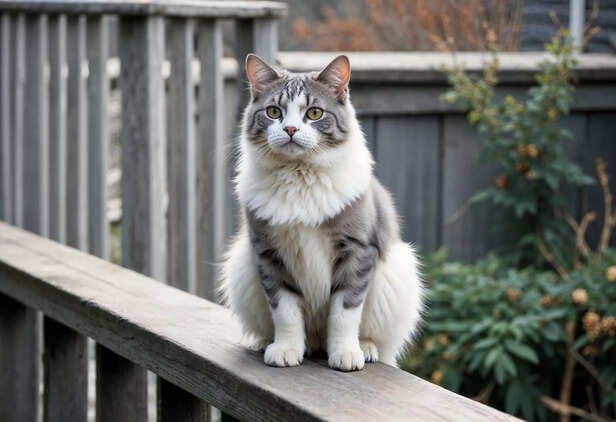
Fluffy Siberian cat portrait
Siberian cats hail from their namesake region in Russia, where they have been cherished for thousands of years. Though written history is limited, centuries-old Russian fairy tales and children's books feature them. After one of the earliest English cat shows in the 1870s, Siberian cats were described in "Our Cats and All About Them," an 1889 book by cat expert Harrison Weir. Siberian Breed; The International Cat Association .The United States first saw Siberian cats after the Cold War thawed in the 1990s, and they quickly became popular.
Siberian Cat Care
When it comes to caring for a Siberian cat, make sure you've got no problem with cat hair, as these cats can shed a good amount. Also ensure that you can provide your cat with plenty of places to perch up high because this breed loves to explore and observe all the action.
Exercise
Siberian cats are happy to play with their toys and families, but they also love to leap. With powerful rear legs, they can jump incredibly high.1 Because of that, make sure you have cat trees and other high-up spots for your Siberian to lounge.
Like all cats, Siberians benefit from interactive toys and puzzle toys that are mentally stimulating and rewarding for them. You can also encourage them to exercise with wand toys, which can be used for bonding with your pet as well. In addition to toys, provide your cat with various scratching posts and perches to keep themselves entertained and give them places to rest between play sessions. By preventing boredom and enriching their environment, you can keep your Siberian cat happy and prevent destructive behaviors.
Shedding
Be prepared to find a decent amount of hair around your house when you bring home a Siberian cat. To curb an overwhelming amount of hair and discomfort, follow consistent grooming practices that remove loose hair from the cat’s coat before it ends up all over your clothes and furniture.
Grooming
To keep your Siberian cat looking beautiful, occasional brushing should do the trick, as the coat resists matting. Just make sure to up the amount of brushing time during shedding season. Though not required, occasional baths will help loose hair come out and remove dust and dander from the coat. Some Siberians actually enjoy water, so this might not be a tough task.2 Trim Siberians' nails regularly. Scratching posts are not a replacement for nail clippers.
Characteristics of the Siberian Cat
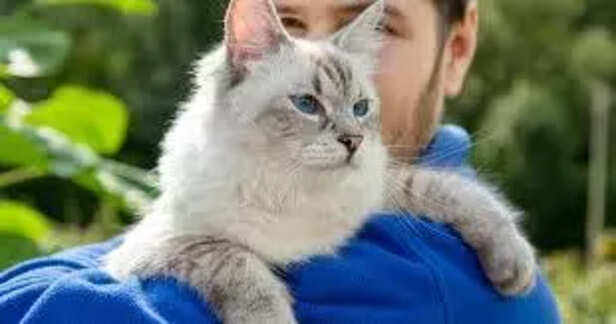
A most popular friendly cat
There is a lot to like about Siberian cats. Siberians love to climb, explore, and play. Ensure they are mentally stimulated and physically active. Siberian cats are friendly with nearly all pets and humans, including children. However, they take about five years to mature, so expect longer-lasting kitten-like behavior than in other breeds.
- Friendliness
- Kid-Friendly
- Pet-Friendly
- Exercise Needs
- Playfulness
- High Energy Level
- Intelligence
- Tendency to Vocalize Low
Common Health Problems
The Siberian cat can be prone to certain health conditions, and they’re also susceptible to all the problems that can come with age. Certain diseases have genetic components, so responsible breeders should screen their cats to avoid breeding affected cats and passing health problems to future generations.
Some of the conditions that can affect Siberian cats are:
Hypertrophic cardiomyopathy:
This is a form of heart disease that causes thickening of the heart muscle, and it's more prevalent in certain breeds, including Siberians. Mutations of several cardiac genes have been identified this disease.
Erythrocyte pyruvate kinase deficiency:
Also known as PK deficiency, this causes intermittent anemia, with symptoms like weakness, jaundice, weight loss, abdominal enlargement, and lethargy.
Celebrate the bond with your pets, explore Health & Nutrition, discover Breeds, master Training Tips, Behavior Decoder, and set out on exciting Travel Tails with Times Pets!
Frequently asked questions(FAQs)
- Are Siberian cats good family pets?
Yes, Siberian cats are excellent family pets. They are affectionate, gentle, and friendly, making them great with children and other pets. - Do Siberian cats shed a lot?
Siberian cats shed seasonally. Regular brushing helps control shedding and keeps their thick coat healthy. - Are Siberian cat really hypoallergenic?
Siberian cats produce less Fel d 1 protein than many other breeds, which may reduce allergic reactions, but they are not completely allergy-free.