
The Pika as a Pet: Ethics, Care, and Conservation
Upasna Yadav | Apr 13, 2026, 15:00 IST

Pika Sitting Among Rocky Mountain Terrain
Image credit : Pexels
The Pika is a tiny, round-bodied mammal known for its soft fur, high-pitched calls, and life in cold mountainous regions. With its adorable appearance and gentle nature, it may seem like a potential exotic pet. However, the idea of keeping a Pika as a companion raises important questions about ethics, conservation, and practicality. This article explores whether Pikas can truly be considered ethical exotic companions, focusing on their natural habitat, dietary needs, and the challenges of domestication.
Highlights
1. The Pika is a small, adorable herbivore often found in cold, high-altitude regions, making it highly specialized for mountain ecosystems. Despite its cute appearance, the Pika is not naturally suited for domestication due to its strict environmental and dietary needs.
2. Pikas are extremely sensitive to heat, and even slight temperature increases can be life-threatening, making typical home environments unsuitable. Their natural behavior, such as haymaking (collecting and storing food), is difficult to replicate in captivity.
3. Many regions have strict wildlife protection laws, making it illegal to capture or keep pikas as pets. The Pika plays an important role in its ecosystem, acting as an indicator of environmental health.
2. Pikas are extremely sensitive to heat, and even slight temperature increases can be life-threatening, making typical home environments unsuitable. Their natural behavior, such as haymaking (collecting and storing food), is difficult to replicate in captivity.
3. Many regions have strict wildlife protection laws, making it illegal to capture or keep pikas as pets. The Pika plays an important role in its ecosystem, acting as an indicator of environmental health.
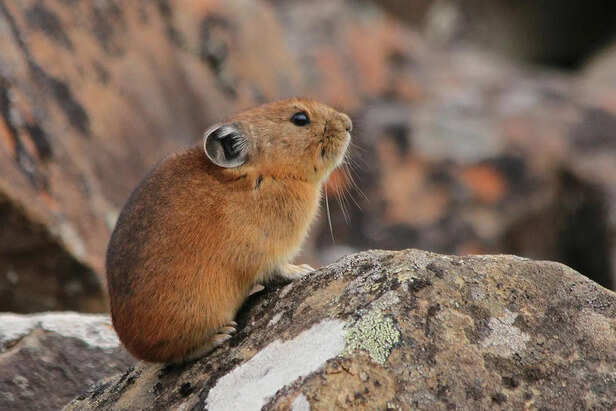
High-Altitude Habitat of the Pika in Mountain Regions
Image credit : Pexels
The fascination with exotic pets has grown in recent years, leading many animal lovers to explore unique and rare species as companions. Among these is the Pika, a small herbivorous mammal found in rocky alpine environments. Often compared to a cross between a rabbit and a hamster, pikas are admired for their charming looks and social behavior. However, their suitability as pets is a complex issue that goes beyond appearance and temperament.
Natural Habitat and Behavior
Dietary Requirements and Nutrition
Ethical Considerations
Legal and Conservation Considerations
Can Pikas Be Ethical Exotic Companions?
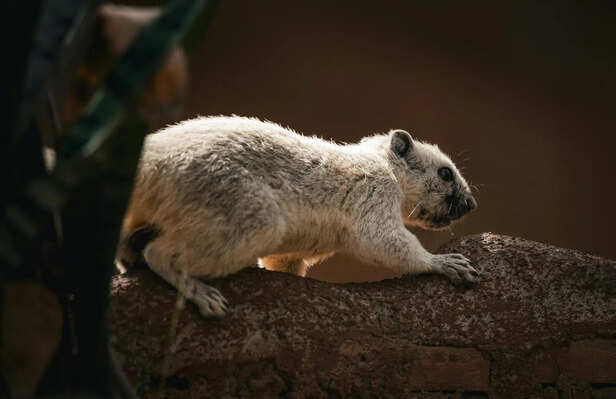
Pika in Cold Climate Environment in Snow Region
Image credit : Pexels
While the idea of having a Pika as a pet may seem appealing, the reality is far more complicated. Their specialized habitat requirements, dietary needs, and conservation concerns make them unsuitable for most domestic environments. Ethical companionship involves prioritizing the animal’s natural needs over human desire, which in the case of pikas, means appreciating them in the wild rather than keeping them as pets.
Celebrate the bond with your pets, explore Health & Nutrition, discover Breeds, master Training Tips, Behavior Decoder, and set out on exciting Travel Tails with Times Pets!
Frequently asked questions (FAQs)
- Why are pikas unsuitable for home environments?
Pikas are adapted to cold, alpine climates with rocky terrain and stable, cool temperatures. In a typical household setting, it is nearly impossible to recreate these conditions. They are particularly sensitive to heat, and even moderate temperatures can cause stress or fatal health issues. Their natural behaviors, including burrowing and hay storage, also require space and environmental features that cannot be easily replicated indoors. This makes domestic life unsuitable for their survival and well-being. - What do pikas eat, and can their diet be replicated at home?
The Pika primarily feeds on grasses, herbs, and wildflowers, which it gathers and stores for later consumption. Replicating this diet in captivity is challenging because it requires a constant supply of fresh, high-fiber vegetation similar to what they find in the wild. Commercial pet foods are not designed for pikas, and improper nutrition can lead to digestive issues and malnutrition. This makes maintaining their diet in a home setting both difficult and impractical. - Are pikas endangered, and how does that affect their suitability as pets?
Some species of pikas are considered vulnerable due to climate change and habitat loss. Rising temperatures threaten their survival, as they depend on cool environments. Keeping them as pets could further endanger their populations by encouraging capture from the wild. Ethical pet ownership involves supporting conservation efforts rather than contributing to the decline of already sensitive species.