
The Most Dangerous Pets Ever Kept by Humans- Shocking Truth
Deepak Rajeev | May 05, 2026, 17:40 IST

Can We Domesticate Wild Animals? (Image Credit: AI)
This article explores the most dangerous pets ever kept by humans, including big cats, primates, venomous reptiles, and large wild mammals. It explains real attack cases, biological instincts, and why some animals remain unpredictable despite being raised in captivity. The piece highlights the hidden risks of exotic pet ownership and shows why true domestication is not possible for many wild species.
Across history, humans have been fascinated by the idea of owning powerful wild animals. From lions and tigers to venomous reptiles and primates, the line between “pet” and “predator” has often blurred. While some exotic animals can be raised in captivity, many of them retain instincts that make them unpredictable, especially as they grow older. Real documented cases show that some of the most dangerous animals ever kept as pets have caused life-threatening attacks, even when raised by humans from a young age. What makes this topic even more unsettling is that many of these animals were not captured as adults but raised in homes, treated like companions, and still eventually turned dangerous. This reveals a deeper truth: domestication is not the same for all species, and some animals simply cannot fully adapt to human environments.
![Lion]() Among all exotic pets, big cats such as tigers, lions, and cougars are consistently linked to the most severe and fatal attacks. Even when raised in captivity, these animals retain their hunting instincts, strength, and territorial behavior. Documented cases show that captive tigers have killed owners and handlers in private enclosures and sanctuaries, sometimes during routine feeding or cleaning. These incidents are not rare outliers. Between 1998 and 2001 alone, multiple fatal tiger attacks were recorded in the United States, both in private ownership and controlled environments.
Among all exotic pets, big cats such as tigers, lions, and cougars are consistently linked to the most severe and fatal attacks. Even when raised in captivity, these animals retain their hunting instincts, strength, and territorial behavior. Documented cases show that captive tigers have killed owners and handlers in private enclosures and sanctuaries, sometimes during routine feeding or cleaning. These incidents are not rare outliers. Between 1998 and 2001 alone, multiple fatal tiger attacks were recorded in the United States, both in private ownership and controlled environments.
The shocking reality is that even animals that appear calm for years can suddenly react unpredictably due to stress, fear, or instinctual triggers. Their physical strength makes even a brief aggressive moment extremely dangerous, leaving little room for human error.
![Chimpanzee]() Primates such as chimpanzees are often perceived as intelligent and emotionally expressive, which leads some people to believe they can be safely domesticated. However, scientific and real-world evidence shows the opposite. As these animals mature, their strength increases dramatically, while their behavior becomes more territorial and difficult to control.
Primates such as chimpanzees are often perceived as intelligent and emotionally expressive, which leads some people to believe they can be safely domesticated. However, scientific and real-world evidence shows the opposite. As these animals mature, their strength increases dramatically, while their behavior becomes more territorial and difficult to control.
There have been documented cases where pet chimpanzees have attacked humans with extreme force, causing severe injuries and even fatalities. Unlike many other animals, primates also share close genetic similarities with humans, which makes their behavior more unpredictable in domestic settings. This combination of intelligence, strength, and emotional volatility makes them one of the most dangerous categories of exotic pets ever kept by humans.
Another category of extremely dangerous pets includes venomous snakes and exotic reptiles. While they may appear calm or inactive most of the time, their defensive instincts are always present. A single bite from a venomous species can be fatal or cause long-term damage if not treated immediately. Historical records show cases where pet snakes, including large constrictors, have fatally injured their owners through unexpected attacks or escapes. These incidents highlight a critical risk: reptiles do not form emotional bonds with humans, so their behavior is purely instinct-driven rather than social.
Even non-venomous exotic reptiles can become dangerous due to size, feeding behavior, or environmental stress, making them unsuitable for casual ownership.
In some cases, even large mammals such as bears, wild boars, or hybrid wolf-dog breeds have been kept in private properties as pets. These animals are often raised from a young age, leading owners to underestimate their natural instincts. However, as they mature, their behavior can become unpredictable and aggressive. There are documented incidents where hand-raised wild animals have turned on their caretakers, sometimes after years of seemingly peaceful coexistence. These cases highlight a recurring pattern: familiarity does not erase instinct. Even animals that appear domesticated can revert to wild behavior when triggered by stress, fear, or territorial conflict.
The most important scientific and behavioral insight is that domestication is not universal. Dogs and cats evolved alongside humans over thousands of years, developing social structures that allow them to live safely in human environments. Most exotic animals did not go through this evolutionary process. Research on captive wild animals shows that many retain natural survival behaviors such as hunting, territorial aggression, or escape responses, even when raised in human homes. This is why the idea of a “dangerous pet” is not about aggression alone, but about biology. Some animals are simply not adapted to controlled domestic life, no matter how they are raised. Ultimately, the shocking truth is that the most dangerous pets ever kept by humans were not monsters or villains. They were wild animals behaving exactly as nature designed them to, in environments that could never fully contain their instincts.
Celebrate the bond with your pets, explore Health & Nutrition, discover Breeds, master Training Tips, Behavior Decoder, and set out on exciting Travel Tails with Times Pets!
Big Cats: The Most Powerful Pets That Turned Deadly
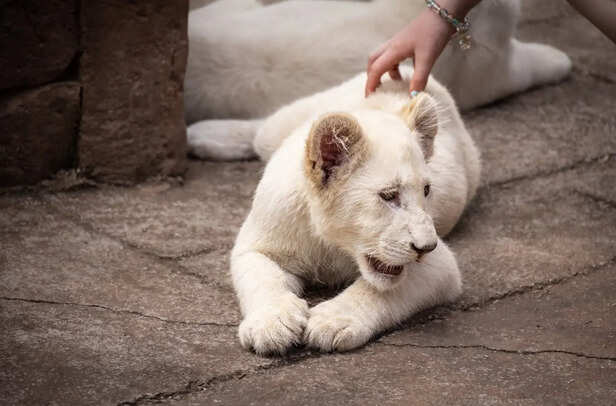
Lion
Image credit : Pexels
The shocking reality is that even animals that appear calm for years can suddenly react unpredictably due to stress, fear, or instinctual triggers. Their physical strength makes even a brief aggressive moment extremely dangerous, leaving little room for human error.
Primates: Intelligent But Highly Unpredictable Companions
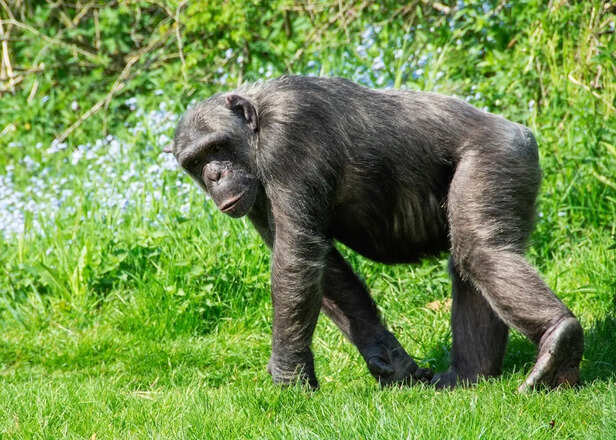
Chimpanzee
Image credit : Pexels
There have been documented cases where pet chimpanzees have attacked humans with extreme force, causing severe injuries and even fatalities. Unlike many other animals, primates also share close genetic similarities with humans, which makes their behavior more unpredictable in domestic settings. This combination of intelligence, strength, and emotional volatility makes them one of the most dangerous categories of exotic pets ever kept by humans.
Venomous Reptiles and Exotic Species Hidden in Homes
Another category of extremely dangerous pets includes venomous snakes and exotic reptiles. While they may appear calm or inactive most of the time, their defensive instincts are always present. A single bite from a venomous species can be fatal or cause long-term damage if not treated immediately. Historical records show cases where pet snakes, including large constrictors, have fatally injured their owners through unexpected attacks or escapes. These incidents highlight a critical risk: reptiles do not form emotional bonds with humans, so their behavior is purely instinct-driven rather than social.
Even non-venomous exotic reptiles can become dangerous due to size, feeding behavior, or environmental stress, making them unsuitable for casual ownership.
Large Wild Mammals Kept as “Farm Pets”
In some cases, even large mammals such as bears, wild boars, or hybrid wolf-dog breeds have been kept in private properties as pets. These animals are often raised from a young age, leading owners to underestimate their natural instincts. However, as they mature, their behavior can become unpredictable and aggressive. There are documented incidents where hand-raised wild animals have turned on their caretakers, sometimes after years of seemingly peaceful coexistence. These cases highlight a recurring pattern: familiarity does not erase instinct. Even animals that appear domesticated can revert to wild behavior when triggered by stress, fear, or territorial conflict.
The Hidden Truth Behind “Dangerous Pets”
The most important scientific and behavioral insight is that domestication is not universal. Dogs and cats evolved alongside humans over thousands of years, developing social structures that allow them to live safely in human environments. Most exotic animals did not go through this evolutionary process. Research on captive wild animals shows that many retain natural survival behaviors such as hunting, territorial aggression, or escape responses, even when raised in human homes. This is why the idea of a “dangerous pet” is not about aggression alone, but about biology. Some animals are simply not adapted to controlled domestic life, no matter how they are raised. Ultimately, the shocking truth is that the most dangerous pets ever kept by humans were not monsters or villains. They were wild animals behaving exactly as nature designed them to, in environments that could never fully contain their instincts.
Celebrate the bond with your pets, explore Health & Nutrition, discover Breeds, master Training Tips, Behavior Decoder, and set out on exciting Travel Tails with Times Pets!