A red-eared slider fits in the palm of a child's hand when it hatches, costs a few hundred rupees at a pet market, and can live for thirty years. That gap between how easy it is to acquire one and how long the commitment runs is where the problem begins.
What the red-eared slider is
The red-eared slider (Trachemys scripta elegans) is a freshwater turtle native to the Mississippi River valley in the United States and northern Mexico. The name comes from the distinctive red stripe behind each eye and the way it slides off rocks and logs into water at the first sign of disturbance. Adults reach 20 to 30 centimetres in shell length, with females typically larger than males. In their native range they are abundant, opportunistic omnivores: they eat aquatic plants, insects, small fish, and carrion, and they bask for hours on any warm surface above water.
They became a global pet trade staple in the mid-twentieth century, exported in the tens of millions from American turtle farms. Cheap, hardy, visually appealing as hatchlings, they were sold across Asia, Europe, and South America. The IUCN lists the red-eared slider among the hundred worst invasive species in the world, not because it is particularly aggressive but because it is exceptionally adaptable and because people release it.
![Morning Lake Serenity]()
Morning Lake Serenity
Image credit : AI
A calm urban lake's edge, bathed in soft morning light, with lily pads and reeds dotting the surface. Invasive pet turtles are a concern in India.
Why India is vulnerable
India has around 29 native freshwater turtle species, many of them endemic, several critically endangered. The Indian softshell turtle, the Indian roofed turtle, the Indian tent turtle, and the red-crowned roofed turtle are among species whose populations have been reduced by habitat loss, hunting, and collection for food and medicine. These turtles occupy specific ecological niches in river systems that red-eared sliders, once established, compete for directly.
Red-eared sliders are stronger baskers than most Indian native species, meaning they outcompete them for the warm, exposed surfaces turtles need for thermoregulation. They are more aggressive at feeding sites. Females of the species can produce two to three clutches of eggs per year, with each clutch containing five to twenty eggs, giving them a reproductive rate that most Indian native species cannot match. In waterbodies near cities, urban lakes, temple ponds, park reservoirs, slider populations have been documented in several Indian states, almost always traceable to deliberate release.
The release problem in India
The release of turtles into natural or semi-natural water bodies is common in India, driven by religious custom and the belief that releasing an animal brings merit. Sliders are sold at markets near temples and ghats specifically for this purpose, sometimes dyed to look more auspicious. The animal released is not a native species returning to the wild. It is a North American turtle entering a water system it did not evolve in, carrying potential pathogens its new neighbours have no immunity to, and equipped with traits that give it an advantage over the animals already there.
Under the Wildlife Protection Act, 1972, red-eared sliders are not listed as a protected species in India, but their import and trade exist in a regulatory grey area. The species is not native, so it carries no protection, but its trade is not cleanly prohibited either. Enforcement at the point of sale is inconsistent. The result is that sliders continue to move through pet markets in Chennai, Mumbai, Delhi, and Kolkata, and continue to end up in ponds and rivers.
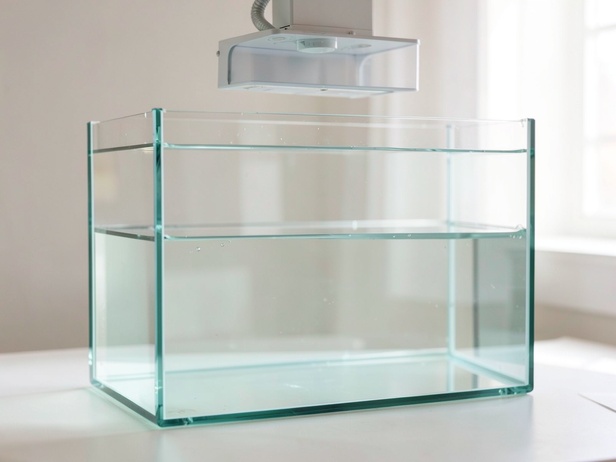
![Aquarium Setup for Turtle]()
Aquarium Setup for Turtle
Image credit : AI
Preparing a habitat for a pet turtle, considering the impact of invasive species in India.
What keeping one actually involves
A red-eared slider kept responsibly is a significant commitment. A single adult needs a tank of at least 150 to 200 litres, a powerful external filter capable of handling the volume of waste a turtle produces, a UVB lamp for shell and bone health, a basking platform with a heat lamp, and a water temperature maintained between 24 and 28 degrees Celsius. They are not low-maintenance animals. The hatchling sold in a small plastic tub will outgrow that container within months.
Their diet needs variety: commercial turtle pellets, leafy greens, occasional protein. They carry Salmonella as a normal part of their gut flora, which means handling requires handwashing and they are not appropriate pets for households with young children or immunocompromised individuals. They do not enjoy being handled. They are observation animals, not companion animals in the way a dog or cat is.
If you already have one
The responsible path for someone who owns a red-eared slider and can no longer care for it is to find another keeper, contact a reptile rescue, or speak to a veterinarian with exotic animal experience. Releasing it into a local pond, lake, river, or temple tank is not a kindness to the animal or the ecosystem. A captive-raised slider released into the wild faces unfamiliar conditions and low survival odds. The native turtles already in that water face a competitor they did not evolve alongside.
The red-eared slider's story in India is a clean illustration of what happens when a species is treated as disposable: bought for a child's curiosity, released when the novelty fades, and left to become someone else's ecological problem. The animal itself is not at fault. The question of whether to bring one home is worth asking before the purchase, not after.