
The Himalayan Monal: The Rare and Colorful Jewel of Mountains
Upasna Yadav | Mar 18, 2026, 11:30 IST

The Rainbow Jewel of the Himalayas
Whether you are one of the lucky ones to witness this bird in all its glory in person or you are just looking at a photograph the Himalayan Monal always leaves an impression. Over the years, we have numerous Himalayan Monal images of its colors glistening in the sunlight against the backdrop of Sikkim's hilly terrain, perched on a cliff or as an iridescent blot of color amid white snow. We would be lying if we did not say that we are utterly fascinated by the Himalayan Monal. So here is an entire story dedicated to this handsome bird!
Highlights
1. Before we get onto their morphology, habitats and mating rituals, how about some fun facts? Did you know that Himalayan Monals are frequently mentioned in Nepali songs? They are called Danfe in the local language.
2. They are also known to have a range of calls to express everything from raising an alarm to calling out to a potential mate. Definitely, not the ones to shy away from communication.
3. When you think of the Himalayas, snow-capped peaks, picturesque nature treks and popular tourist spots come to the mind. But the eastern Himalayan region comprising Sikkim, the Himalayan and the sub-Himalayan regions of West Bengal and Arunachal Pradesh, and neighboring Bhutan is also home to a great diversity of the avian species.
2. They are also known to have a range of calls to express everything from raising an alarm to calling out to a potential mate. Definitely, not the ones to shy away from communication.
3. When you think of the Himalayas, snow-capped peaks, picturesque nature treks and popular tourist spots come to the mind. But the eastern Himalayan region comprising Sikkim, the Himalayan and the sub-Himalayan regions of West Bengal and Arunachal Pradesh, and neighboring Bhutan is also home to a great diversity of the avian species.
The Rare and Beautiful Himalayan Monal
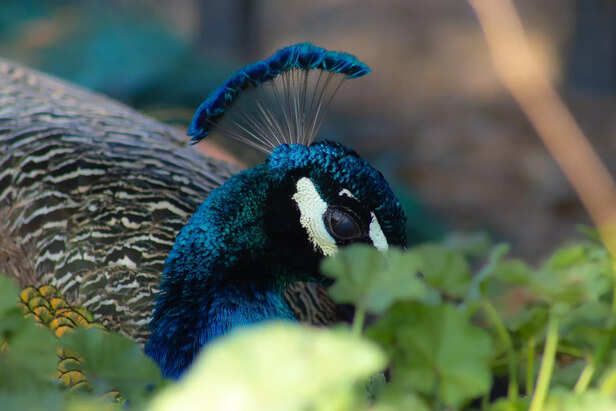
A Rare Beauty of the Cold Forests
Himalayan Monals can also dig up to 25cm in the ground while looking for food. They have strong claws and beaks that help them dig deep while foraging for insects, roots and seeds. In fact, they leave behind distinct patterns in the snow when they forage. Looks like there is a lot to unearth about this bird. Let's get started, shall we?
Colour on White
The High Life
Dancing Through Snow
Behavior and Ecology
Conservation and Cultural Significance
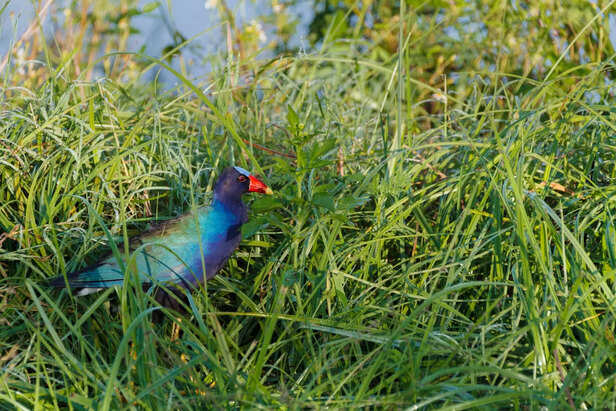
State Bird of Uttarakhand in It's Natural
While the Himalayan Monal is listed as Least Concern by the IUCN, it faces threats from habitat loss, hunting, and disturbance from tourism. Protected areas like GHNP provide safe habitats for stable populations. This bird holds cultural importance in Himalayan communities and features in local folklore and traditional art. Its feathers, once coveted for ceremonial dress, are now protected under Indian wildlife laws, and the species is included under Schedule I of the Wildlife Protection Act, 1972.
Celebrate the bond with your pets, explore Health & Nutrition, discover Breeds, master Training Tips, Behavior Decoder, and set out on exciting Travel Tails with Times Pets!
Frequently asked questions (FAQs)
- Why is the Himalayan Monal called the jewel of mountain ?
It is called the Jewel of the Mountains because of its bright metallic plumage that shines in different colors like blue, green, copper, and purple when sunlight hits it. - What does the Himalayan Monal eat ?
The Himalayan Monal mainly feeds on roots, tubers, insects, seeds, berries, and small invertebrates. It uses its strong beak to dig into the soil for food. - Is the Himalayan Monal endangered ?
The Himalayan Monal is currently listed as Least Concern globally, but its population is affected by habitat loss, hunting, and environmental changes in some areas.