Just like all animals and humans, dogs too evolve over time but majorly they were inbred by humans specifically to achieve desirable traits such as specific looks, size and temperament. But this inbreeding also caused many serious health issues such as weakened immunity and genetic disorders, etc. Today we bring you a list of such dog breeds who changed drastically with inbreeding:
1. Pug:
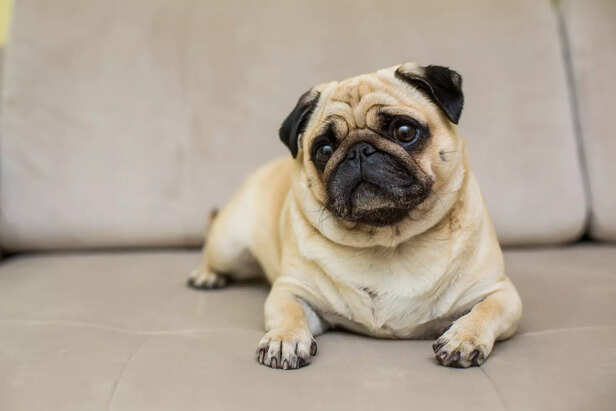
![The Modern Pug]()
The Modern Pug
Image credit : Freepik
Once athletic with long snouts, Pugs were inbred for a flat faced aesthetic. While this created their famous look, it also introduced significant breathing and health struggles.
Pugs were selectively bred intensively to achieve cute aesthetic flat faced, big eyes look but this look came with significant health issues and breathing problems. Before inbreeding they used to have long snouts, longer and proportionate legs, few wrinkles on face and a more athletic built than today.
2. Dachshund:
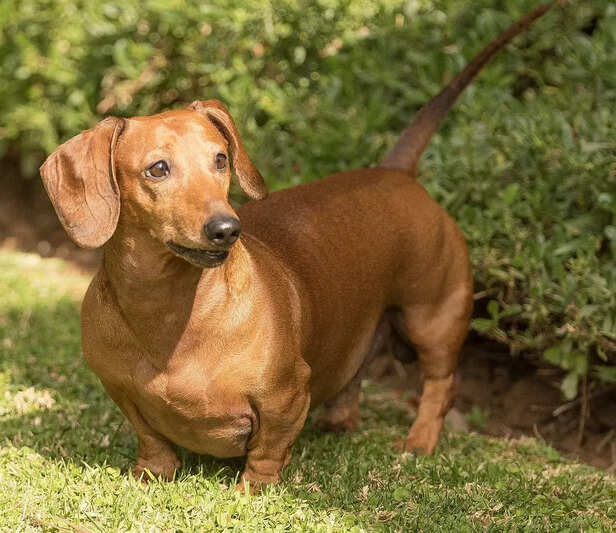
![Evolution of the 'Wiener Dog']()
Evolution of the 'Wiener Dog'
Image credit : Pixabay
Once larger with proportionate legs, Dachshunds were selectively bred into the long, short-legged dogs we see today. This shift from an athletic build to a crooked, heavy frame is a direct result of intensive inbreeding for a specific aesthetic.
Dachshunds are famous for their ‘weiner dog’ looks, long bodies with short legs and floppy ears. Before selective breeding dachshunds were bigger, heavier with proportionate bodies and straight legs unlike modern crooked type.
3. Bull Terrier:
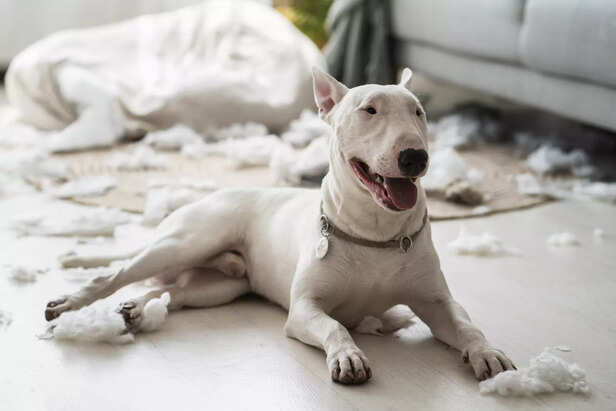
![Evolution of the egg shaped head]()
Evolution of the egg shaped head
Image credit : Freepik
Once lean and athletic, Bull Terriers were transformed by extreme breeding into the stocky, egg-headed dogs we see today. This shift traded their original functional build and sleek profile for exaggerated modern features.
Bull Terriers have an exaggerated ‘egg shaped’ head with a shorter snout and stockier body caused by extreme selective breeding. Before this they had lean built with sleek and defined nose and a flatter skull. They were more functional with long legs and less bred specific health problems.
4. German Shephard:
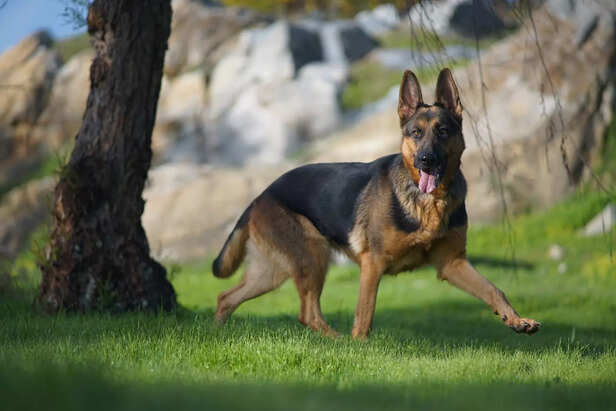
![German Shepherd’s evolution]()
German Shepherd’s evolution
Image credit : Freepik
The evolution of the German Shepherd highlights how inbreeding reshaped one of the world’s most iconic working dog breeds
Modern German Shepherds refers to the show line dogs that have exaggerated sloping back and a heavy frame. Before intense inbreeding they were considered work line dogs with straighter, more traditional back and balanced proportions.
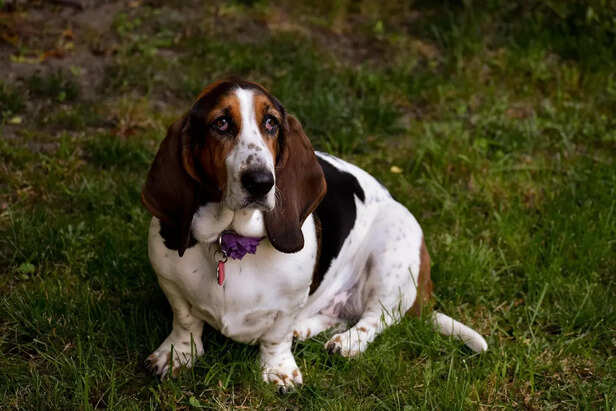
5. Basset Hound:
![Basset Hound we see today]()
Basset Hound we see today
Image credit : Pixabay
Once built for endurance and hunting, Basset Hounds today show dramatic physical changes due to intensive selective breeding practices
Modern day basset hounds have exaggerated features for show like extreme skin folds resulting from loose skin, very short legs and big ears. Before intense breeding they had small head, straight nose, upright ears and leggier legs that were light boned.
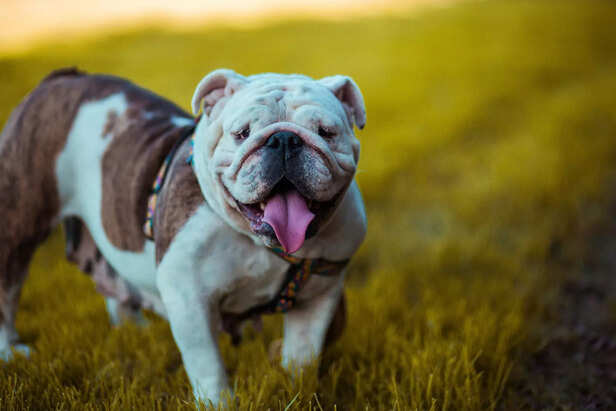
6. Bull Dog:
![Transformed Bulldog]()
Transformed Bulldog
Image credit : Unsplash
Selective breeding reshaped Bulldogs for appearance over function, leading to the distinctive look and health challenges seen today
Bull Dogs have a muscular body, wide shoulders with a massive head and flat face with wrinkles. Before intensive inbreeding they had well defined nose and skull with long and slim bodies. They also use to have athletic built bodies and longer legs.
Discover expert advice and the latest tips on pet care, training, health, and more. Stay updated with all things pets at
Times Pets!
Frequently Asked Questions (FAQs):- What did dogs originally look like?
Originally dogs used to look like wolves, their direct ancestors. They have features like them too, dogs possess strong jaws, long snouts, powerful bodies, hunting instincts and pack behavior. - How to tell if a dog was inbred?
You can tell a dog was inbred by looking for physical abnormalities like asymmetrical, small, big, deformed jaw or skull, a weakened immune system like frequent allergies and infections, reproductive problems like low fertility or delivery complications, behavioral issues like extreme aggression or shyness, etc. - Are all pedigree dogs inbred?
Yes, most pedigree dogs are inbred to some degree because distinct breeds are created by mating related dogs to achieve desired traits, features, looks, etc. This creates small, closed gene pools with many breeds having high coefficients of inbreeding resulting in serious health related issues.