
7 Real Pink Animals That Feel Almost Magical
Tanisha Kumari | Jan 05, 2026, 16:27 IST

Starfish
Image credit : Unsplash
Here it explores seven naturally pink animals whose enchanting hues make them appear almost magical. From the mystical Amazon pink dolphin to the vibrant flamingo, each species’ coloration comes from genetics, diet or environment. These animals highlight nature’s creativity while facing threats like pollution, habitat loss and human activity.
Nature has a way of surprising everyone and few things feel as enchanting as spotting a truly pink animal in the wild. Pink feels like a color borrowed from fairy tales or fantasy films but it naturally exist due to genetics, diet, light reflection and evolution. From rivers to rainforests and reefs, these animals prove that magic does not need imagination as it already lives among us.
Pink dolphins swim in South America's big rivers like the Amazon. They glow soft pink from river mud and tiny plants on their skin. This pink helps them blend with sunset water. They grow up to 8 feet long with a long snout for catching fish. Moms carry one baby at a time. They chirp and click to talk underwater.
People call them river fairies because they pop up fast and vanish. In old stories, locals say they turn into handsome boys at night to dance on riverbanks. But they face danger from boats and dirty water.
![Roseate spoonbill]()
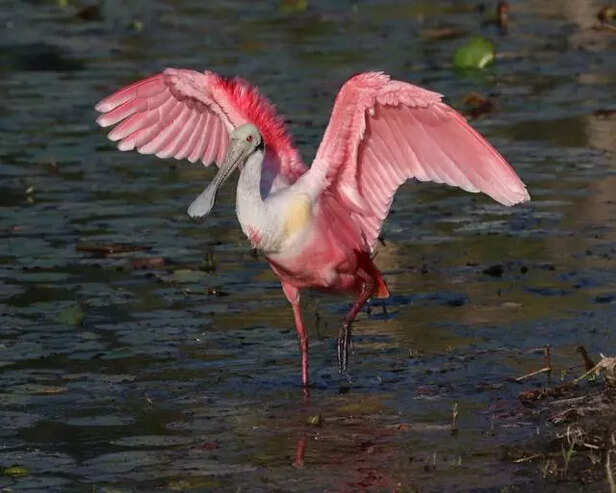
Roseate spoonbill is found in wetlands from Florida to South America. Their pink comes from eating shrimp and crabs full of pink color. Babies start white but turn rosy as they eat. They sweep their flat spoon bill side to side in water to scoop fish and bugs. Long legs keep them high above mud.
While flying they look like a pink cloud moving. They build nests in trees with sticks and love hot sunny spots. Threats like lost homes hurt their numbers. Their pink fades if they eat plain food. Zookeepers add shrimp to keep them bright.
Axolotls are salamanders from Mexico's clean lakes. They stay baby like forever. This neoteny lets them regrow lost arms or tails in weeks. Eat worms, fish or pellets in cool water tanks.
Their pink glows under lights and helps them hide in plants. Pollution almost wiped them out in the wild. Now they thrive as pets. Keep water at 60 degrees and feed at night. Kids make great owners with right adult guidance.
![Flamingo]()
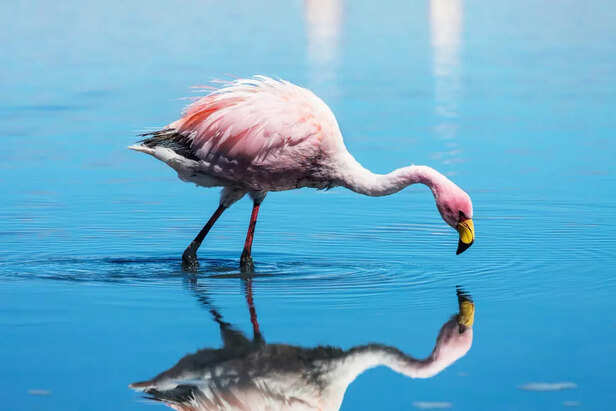
Flamingos live in salty lakes of Africa and India. They filter tiny pink algae and shrimp with their bent beak upside down. This turns their feathers hot pink. Males and females match in color to pick mates. They stand on one leg to save heat in cold nights.
Big groups of thousands dance to impress partners. Eggs hatch fluffy gray but pink up fast. They need wide open salt flats. Losing lakes from farms hurts them.
Pink Sea
Pink sea stars cling to reefs in the Pacific Ocean. Their five-arms pulse soft pink from diet and genes. They pry open clams with a suckered tube feet army. Slow movers at 6 inches wide then they regrow arms too. They eat mussels and snails at tide pools. Divers find them in bright coral caves. Pollution and stars eaters like sharks threaten reefs.
Celebrate the bond with your pets, explore Health & Nutrition, discover Breeds, master Training Tips, Behavior Decoder, and set out on exciting Travel Tails with Times Pets!
Pink Dolphin
People call them river fairies because they pop up fast and vanish. In old stories, locals say they turn into handsome boys at night to dance on riverbanks. But they face danger from boats and dirty water.
Roseate Spoonbill
Roseate spoonbill
Image credit : Unsplash
Roseate spoonbill is found in wetlands from Florida to South America. Their pink comes from eating shrimp and crabs full of pink color. Babies start white but turn rosy as they eat. They sweep their flat spoon bill side to side in water to scoop fish and bugs. Long legs keep them high above mud.
While flying they look like a pink cloud moving. They build nests in trees with sticks and love hot sunny spots. Threats like lost homes hurt their numbers. Their pink fades if they eat plain food. Zookeepers add shrimp to keep them bright.
Axolotls
Their pink glows under lights and helps them hide in plants. Pollution almost wiped them out in the wild. Now they thrive as pets. Keep water at 60 degrees and feed at night. Kids make great owners with right adult guidance.
Flamingos
Flamingo
Image credit : Freepik
Flamingos live in salty lakes of Africa and India. They filter tiny pink algae and shrimp with their bent beak upside down. This turns their feathers hot pink. Males and females match in color to pick mates. They stand on one leg to save heat in cold nights.
Big groups of thousands dance to impress partners. Eggs hatch fluffy gray but pink up fast. They need wide open salt flats. Losing lakes from farms hurts them.
Pink Sea Starfish
Celebrate the bond with your pets, explore Health & Nutrition, discover Breeds, master Training Tips, Behavior Decoder, and set out on exciting Travel Tails with Times Pets!