
On The Brink Of Silence: 5 Dog Breeds The World Is Slowly Losing
Anushka Tripathi | Feb 26, 2026, 14:10 IST

american cocker spaniel
Image credit : Pexels
This article explores five rare dog breeds that are slowly disappearing from the world due to changing human lifestyles, loss of purpose, and lack of awareness. From the loyal Skye Terrier to the biologically unique Norwegian Lundehund, each breed carries centuries of history, emotional depth, and genetic value. Told in an engaging and emotional tone, the piece highlights why their extinction matters and reminds readers that saving these breeds begins with recognition, responsibility, and respect for the silent companions we are losing.
Dogs have walked beside humans for thousands of years, guarding us, hunting with us, comforting us, and loving us without conditions. Yet, in a strange twist of time, some of the most loyal and remarkable dog breeds are quietly disappearing. Not because they failed us, but because we failed to notice them. These breeds are not trending on social media, not winning popularity contests, and not being mass-bred. They are simply fading. Here are five rare dog breeds facing extinction, each carrying a story, a purpose, and a legacy that deserves to survive.
Otterhound
dog
Image credit : Pexels
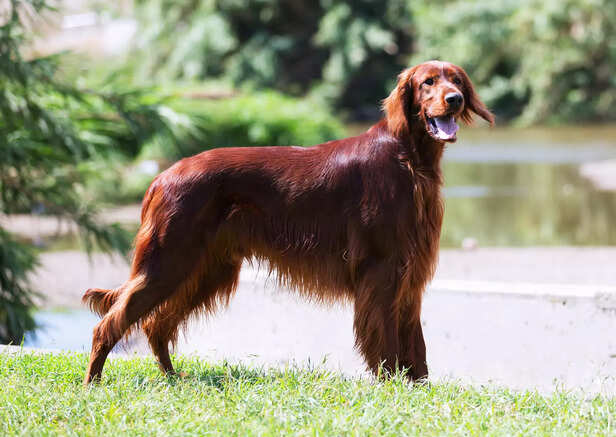
The Otterhound is a dog built for water, endurance, and loyalty. With its shaggy coat, webbed feet, and powerful nose, this breed was originally developed in England to hunt otters and control their population in rivers. For centuries, the Otterhound played an important role in maintaining ecological balance, working closely with hunters and fishermen. When otter hunting was banned, the breed lost its purpose almost overnight. Without a role to fulfill, numbers began to decline rapidly.
Today, the Otterhound is one of the rarest dog breeds in the world, with fewer than a thousand believed to exist globally. What makes this decline heartbreaking is the dog’s temperament. Otterhounds are gentle, affectionate, playful, and deeply devoted to their families. They are excellent with children and surprisingly calm indoors despite their working dog background. Their size and grooming needs often discourage modern pet owners, but those who do adopt them describe a companion that is deeply soulful and emotionally intelligent. The loss of the Otterhound would mean more than the disappearance of a breed. It would erase a living piece of British history and a reminder of how human laws and lifestyle changes can unintentionally wipe out entire bloodlines.
Skye Terrier
Elegant, dignified, and fiercely loyal, the Skye Terrier once symbolized devotion itself. Originating from Scotland’s Isle of Skye, this breed was favored by royalty and nobility, including Queen Victoria. The Skye Terrier was bred to hunt foxes and badgers, slipping into narrow dens with courage far bigger than its size. Despite its royal past, the Skye Terrier is now critically endangered. In some years, fewer Skye Terrier puppies are registered worldwide than giant pandas are born. The reason is not health or temperament, but obscurity. Modern dog culture often favors instant gratification breeds that fit trends and aesthetics. The Skye Terrier, with its long coat and calm personality, does not shout for attention. It waits patiently, and in doing so, it is forgotten.
Emotionally, Skye Terriers form incredibly deep bonds with their humans. They are known to choose one person and remain devoted for life. Stories of Skye Terriers waiting for deceased owners have become legends in Scotland. Losing this breed would mean losing a living symbol of loyalty, patience, and quiet strength.
Mudi
mudi
Image credit : Pexels
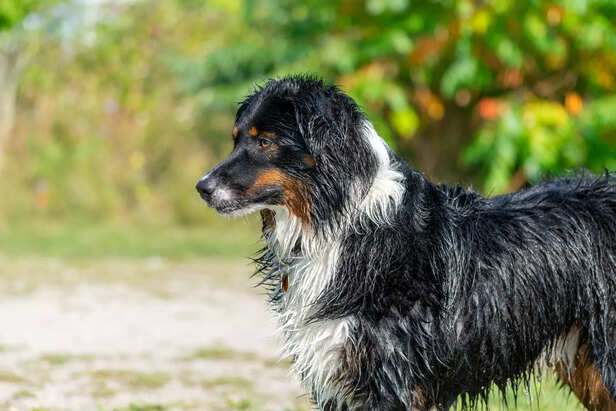
The Mudi is a hidden gem from Hungary, a medium-sized herding dog known for intelligence, agility, and adaptability. Unlike more famous herding breeds, the Mudi works independently, making quick decisions while managing livestock. Farmers once relied heavily on this breed for its problem-solving ability and fearless nature. As industrial farming replaced traditional herding, the Mudi’s numbers dropped sharply. Outside Hungary, very few people even know this breed exists. Yet the Mudi is one of the most versatile dogs in the world. It excels in obedience, agility, search and rescue, and even therapy work.
What makes the Mudi special emotionally is its sensitivity. It reads human moods with remarkable accuracy and forms strong emotional connections with its family. It is alert without being aggressive, energetic without being chaotic. In a world that increasingly values emotional intelligence, the Mudi is exactly the kind of dog we need, yet it remains overlooked.
If the Mudi disappears, humanity will lose a breed that represents balance, intelligence, and quiet competence.
Chinook
The Chinook is one of the few dog breeds developed entirely in the United States. Bred in New Hampshire as a sled dog, the Chinook combined strength, endurance, and gentleness. Unlike many sled dogs bred purely for performance, Chinooks were intentionally developed to be family companions as well.
At one point, the breed nearly vanished completely, with numbers dropping to fewer than thirty dogs worldwide. Dedicated breeders managed to save it, but the population remains dangerously low even today. Chinooks are calm, affectionate, and deeply people-oriented. They are not aggressive, not overly dominant, and not hyperactive. They simply want to belong. In an age where many dogs suffer abandonment due to behavioral mismatches, the Chinook’s stable temperament is a gift. Yet their rarity makes them vulnerable to genetic issues and limited breeding diversity. Losing the Chinook would mean losing an American success story that proves dogs can be both working partners and emotional anchors.
Norwegian Lundehund
dog
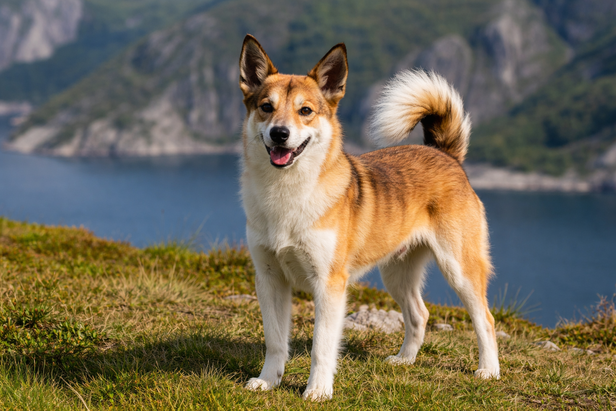
The Norwegian Lundehund looks almost unreal. It has six toes on each foot, an extremely flexible neck, and joints that allow it to bend in ways other dogs cannot. These features were not accidents. The breed was developed to hunt puffins along steep Norwegian cliffs, climbing rocks, and squeezing into narrow crevices where no other dog could go. When puffin hunting declined, the Lundehund lost its role. The breed nearly went extinct during World War II due to famine and disease. Although it survived, it now suffers from a very limited gene pool, leading to serious health challenges.
Despite this, the Lundehund is playful, curious, and deeply affectionate with those it trusts. It is a reminder of how closely dogs evolve alongside human needs. When those needs disappear, dogs suffer silently. If the Lundehund disappears, it will mark the loss of one of the most biologically unique dog breeds ever created by humans and nature together.
Why These Extinctions Matter
When a dog breed goes extinct, it is not just about losing a type of pet. It is about losing genetic diversity, history, culture, and emotional intelligence shaped over centuries. Each breed carries adaptations that modern science still studies, from disease resistance to emotional bonding. Extinction means those traits are gone forever. These dogs are no less worthy because they are rare. They are rare because we stopped making space for them. Urban lifestyles, trend driven breeding, and lack of awareness all contribute to their disappearance.
How Humans Can Help
Saving these breeds does not require everyone to adopt one. Awareness itself is powerful. Responsible breeding programs, ethical adoption, education, and support for conservation-focused kennel clubs can make a difference. Even sharing their stories keeps them alive in public memory. Dogs have given humans unconditional love for thousands of years. Now, some of them are asking for something in return. To be seen. To be remembered. And to be saved before silence replaces their footsteps forever.
Celebrate the bond with your pets, explore Health & Nutrition, discover Breeds, master Training Tips, Behavior Decoder, and set out on exciting Travel Tails with Times Pets!