
Not All Puppies Are the Same: 6 Breeds That Can Be Dangerous
Anushka Tripathi | Jan 28, 2026, 14:00 IST

woman and dog
Image credit : Freepik
Bringing home a dog is exciting, but some breeds require extra awareness due to strength, protective instincts, or high energy. This guide explores breeds like Rottweilers, Pit Bulls, German Shepherds, and Akitas, emphasizing responsible ownership through training, socialization, and preparation. Understanding breed traits ensures safety, strengthens bonds, and helps families raise loyal, loving, and well-adjusted canine companions.
Bringing a dog home is a dream for many families. The excitement of welcoming a loyal companion, a playful friend, and a furry family member is unmatched. Dogs offer unconditional love, joy, and comfort that transform a house into a home.
Yet, not all dogs are alike. Every breed has its own traits, instincts, and energy levels. Some breeds are more powerful, protective, or assertive than others. These dogs can be incredible companions in the right home, but can also pose challenges for first-time owners or those unprepared for their strength and instincts. Understanding which breeds require extra awareness is essential before bringing a pet home.
This article explores some of the dog breeds that are known for their strength, guarding instincts, or protective nature, explains why these traits matter, and gives insights into how to prepare for a breed that may not be as easy to handle as a typical household pet.
Why Some Breeds Are Considered Risky
The term "dangerous" is often misunderstood. It does not mean that a dog is inherently violent or bad. It simply reflects the potential challenges a breed may bring to a home environment. Some breeds were historically bred for guarding, protection, or hunting. Others were designed to have high energy levels, strong prey drives, or instincts to protect property. When these traits are not managed properly through training, socialization, and consistent routines, they can become difficult to handle.
A dog’s environment, training, and the owner’s experience play as much of a role as the breed itself. A strong dog in a calm, structured home can thrive and be loving, while the same breed in a chaotic or unprepared household can face stress, frustration, or even develop aggressive behaviors. Knowing what you are bringing home is the first step toward a happy and safe relationship.
Top Breeds That Require Extra Awareness
Pit Bulls

pit bull
Image credit : Pixabay
Pit bulls are often strong, muscular, and fiercely loyal. They thrive on bonding and can be extremely affectionate with the right guidance. However, they are also known for their strength and tenacity. Without proper exercise, socialization, and leadership, pit bulls can display behaviors that are difficult to manage.
Potential owners must understand the commitment: daily physical activity, clear boundaries, and structured interaction. Pit bulls can be loving companions, but their power demands responsibility.
Rottweilers
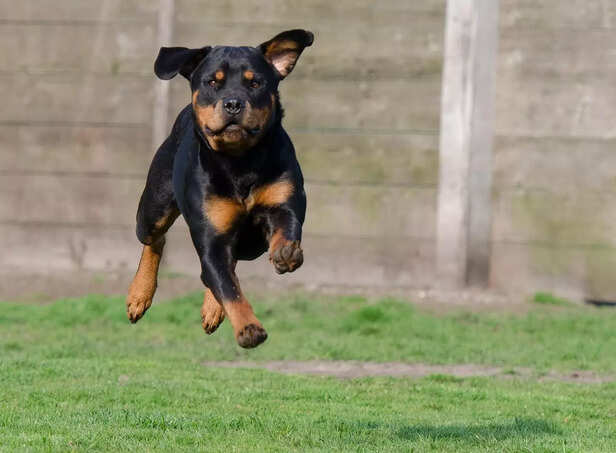
rottweiler
Image credit : Pixabay
Rottweilers are intelligent, confident, and protective. They are historically guard dogs, which means their natural instincts include defending territory and family. A Rottweiler without proper guidance may attempt to assert dominance or react to unfamiliar situations in a protective way.
Rottweilers require consistent training, early socialization with strangers and other animals, and a household that can handle a large, strong dog. They can be incredibly loyal and loving, but they are not a breed to adopt lightly.
German Shepherds
German Shepherds are widely admired for their intelligence and versatility. Often used as police and service dogs, they are loyal, courageous, and protective. These traits make them excellent working dogs, but in a home without structure, a German Shepherd may become overprotective or hypervigilant.
Potential owners should be prepared to provide mental stimulation, obedience training, and opportunities for socialization. A bored or under-stimulated German Shepherd can develop unwanted behaviors that are challenging to correct.
Doberman Pinschers
Dobermans are alert, energetic, and naturally protective. They are known to bond closely with their families and are often sensitive to their environment. These dogs thrive when they are given a clear role, consistent rules, and structured guidance.
Without proper training or exposure to diverse situations, Dobermans can react to perceived threats with intensity. They are best suited to owners who understand dog psychology and can provide firm yet loving leadership.
Huskies And Malamutes
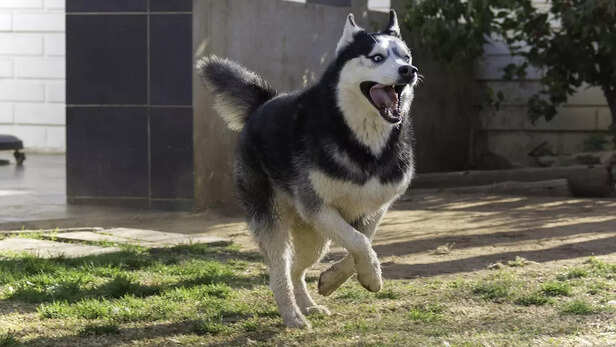
husky
Image credit : Pixabay
Huskies and Malamutes are beautiful, intelligent, and energetic. They were bred for sled work and long-distance travel, which means they have high stamina, strong prey drives, and an independent mindset.
Their intelligence and independence make them challenging for novice owners. They can escape easily, become destructive if bored, or act unpredictably if overstimulated. These breeds are not inherently aggressive, but their energy and strength demand an owner who can match their lifestyle.
Akitas
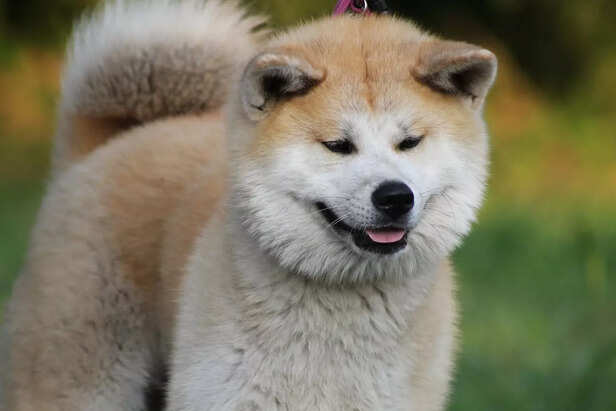
akita
Image credit : Pixabay
Akitas are strong, loyal, and protective. They are known to be reserved with strangers but devoted to their families. Akitas require early socialization to ensure they understand appropriate behavior around people and other animals.
Their protective nature can lead to challenges if not properly managed. Owners must be consistent, confident, and patient, providing guidance while allowing the dog to develop trust and comfort in its environment.
Understanding Breed Traits And Temperaments
When considering a dog, it is important to recognize that breed traits are generalizations. Not every dog within a breed will behave the same way. Individual personality, upbringing, and environment play huge roles in a dog’s behavior.
That said, knowing a breed’s tendencies helps owners prepare for the responsibilities that come with it. A dog bred for guarding may not naturally enjoy sharing space with strangers. A dog bred for high endurance may need hours of daily exercise. Recognizing these traits helps prevent frustration, accidents, and misunderstandings.
The Importance Of Training And Socialization
Training and socialization are the pillars of a safe and happy home with any dog, but especially with breeds known for strength, protection, or guarding instincts.
Training should focus on:
- Teaching basic obedience, like sit, stay, and recall
- Rewarding calm behavior
- Reinforcing positive responses to strangers and new environments
- Establishing boundaries around territory, food, and toys
Socialization exposes the dog to diverse people, animals, and situations in a controlled way. A well-socialized dog is confident, adaptable, and less likely to react fearfully. Training and socialization together reduce risk and strengthen the bond between dog and owner.
Real Stories From Dog Owners
Many owners of strong, protective breeds share stories of initial challenges that transformed into deep bonds. One Rottweiler owner described how her dog’s guarding instincts were intense at first. With proper guidance, training, and boundaries, the dog became a loyal companion who could greet guests politely and live safely with other pets.
A family with a German Shepherd noted that the dog initially was hyper-alert and reactive. Structured exercise, obedience classes, and predictable routines helped the dog thrive. Today, it is playful, affectionate, and confident in the household.
These examples show that understanding a dog’s nature and investing in training pays off in trust, safety, and joy.
Creating A Safe Home For Powerful Dogs
Every household considering a strong or protective breed should plan in advance:
- Provide secure spaces for the dog to rest without interruption
- Establish consistent daily routines
- Set clear rules for everyone in the home
- Use positive reinforcement to encourage desirable behavior
- Seek professional help from trainers or behaviorists if needed
A home prepared for a large, strong, or protective dog reduces stress for both the animal and the family. It is a demonstration of care, respect, and responsibility.
Love, Awareness, And Responsibility
Owning a dog is about love, companionship, and mutual respect. For breeds with higher risk factors, responsibility is equally important. Understanding breed traits, managing energy and instincts, and providing structured guidance allow these dogs to flourish.
Strong or protective dogs can be gentle, affectionate, and loyal when raised in an environment that respects their instincts and supports their growth. Knowledge and preparation create homes where dogs and humans thrive together.
The Last Word On Strong Breeds
Bringing a dog home is a life-changing decision. Knowing which breeds require extra care helps families make informed choices. Dangerous does not mean bad. It means prepared. Understanding, training, and respect for a dog’s instincts can turn a strong, protective breed into a devoted and loving family member.
A dog is not just a pet. It is a responsibility, a companion, and a source of joy. Choosing wisely, learning continuously, and caring intentionally ensures that your new friend will enrich your life safely for years to come.
Celebrate the bond with your pets, explore Health & Nutrition, discover Breeds, master Training Tips, Behavior Decoder, and set out on exciting Travel Tails with Times Pets!