
Most Unusual Pet in the World- You Won’t Believe These Choices
Deepak Rajeev | May 03, 2026, 20:23 IST

Most unusual pets in the world (Image Credit: AI)
This article explores some of the most unusual pets in the world, including axolotls, sugar gliders, fennec foxes, and capybaras. It highlights their unique traits, growing popularity, and the responsibilities of owning exotic animals. While fascinating and surprising, these pets require specialized care, reminding readers that curiosity must be balanced with ethical and informed pet ownership.
For most people, the word “pet” brings to mind a dog waiting at the door or a cat curled up by the window. Yet around the world, some animal lovers are drawn to creatures that feel almost unreal. They are tiny gliders that seem to fly, amphibians that can regrow limbs, desert foxes with ears larger than their faces, and giant rodents that have become unlikely internet celebrities. What makes these animals fascinating is not just how unusual they look, but how dramatically they challenge our idea of what companionship can be.
The modern fascination with unusual pets has grown alongside social media, wildlife documentaries, and a wider cultural curiosity about rare animals. But behind the surprise factor lies a more serious truth. Many unusual pets require highly specialised care, legal permissions, and an understanding that admiration does not always equal suitability. The most unusual pet in the world is not simply the strangest animal a person can own. It is the one that most powerfully blurs the line between wonder, responsibility, and the human desire to connect with the extraordinary.
The Axolotl That Looks Like It Belongs on Another Planet
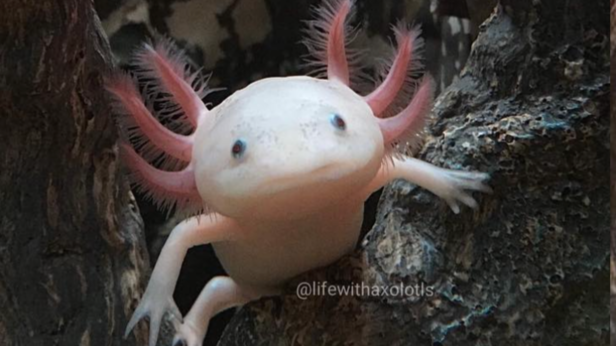
![Axolotl | Instagram - @lifewithaxolotls]() Among the most unusual pets on earth, the Axolotl often tops the list. Native to ancient lake systems near Mexico City, this amphibian has an appearance that seems almost fictional. Its feathery external gills, permanent “smile,” and pale pink coloration have made it one of the most instantly recognisable exotic pets in the world.
Among the most unusual pets on earth, the Axolotl often tops the list. Native to ancient lake systems near Mexico City, this amphibian has an appearance that seems almost fictional. Its feathery external gills, permanent “smile,” and pale pink coloration have made it one of the most instantly recognisable exotic pets in the world.
What makes the axolotl even more remarkable is its biology. Scientists study it for its extraordinary regenerative ability. It can regrow limbs, parts of the spinal cord, and even sections of vital organs under certain conditions. That alone has elevated it far beyond novelty. It is one of the rare animals whose unusual appearance is matched by truly exceptional scientific significance. Its rise in popularity as a pet has been fuelled by both internet fascination and genuine biological wonder. Yet the axolotl also represents the deeper ethical side of unusual pet ownership. It requires cool, carefully maintained water conditions, and wild populations have become critically threatened. The irony is striking. One of the world’s strangest pets is also one of its most scientifically valuable amphibians.
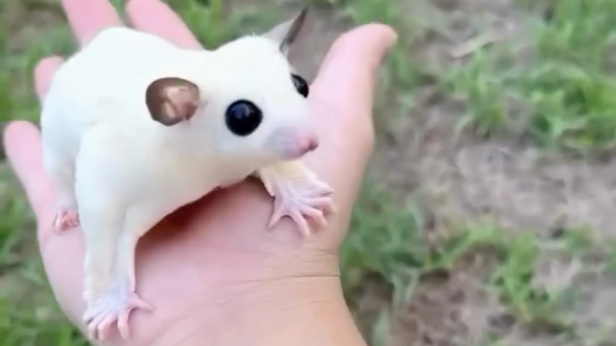
![Sugar Glider | Instagram - @theanimals.es]() If the axolotl feels alien, the Sugar Glider feels almost magical. Native to Australia and New Guinea, this small nocturnal marsupial has a thin membrane stretched between its limbs that allows it to glide through the air. For first-time observers, watching a sugar glider leap and silently float from one side of a room to another can feel genuinely unbelievable.
If the axolotl feels alien, the Sugar Glider feels almost magical. Native to Australia and New Guinea, this small nocturnal marsupial has a thin membrane stretched between its limbs that allows it to glide through the air. For first-time observers, watching a sugar glider leap and silently float from one side of a room to another can feel genuinely unbelievable.
Its huge eyes, tiny paws, and social behavior have made it one of the most sought-after unusual pets. Owners often describe intense bonding, as sugar gliders can become highly attached to human companions. But that appeal comes with challenges. They are social animals that often do poorly in isolation, they are active at night, and their care demands time, stimulation, and specialised diets. Online fascination often highlights how adorable they look. Experienced keepers often emphasise how demanding they can actually be. That tension between appearance and reality is part of what makes them such a defining example of unusual pet culture.
Few unusual pets attract attention as instantly as the Fennec Fox. Native to the Sahara Desert, it is the smallest fox species in the world, but what truly captures attention are its enormous ears. Those ears are not just visually striking. They help dissipate heat and allow the fox to detect tiny movements beneath desert sand.
The fennec fox sits at the center of one of the biggest fantasies in exotic pet culture. It looks like a plush toy, but it behaves like a wild animal. It is energetic, curious, vocal, and often difficult to domesticate in the way people imagine. Many experts caution that fascination with its appearance can obscure the practical realities of care, legal restrictions, and behavioural unpredictability. That contradiction is exactly why it has become one of the most talked-about unusual pets in the world. It feels almost impossible that something so adorable can remain so deeply wild.
In recent years, the Capybara has become perhaps the most unexpected global pet fascination. The world’s largest rodent does not look exotic in the traditional sense. It does not glide, regenerate, or resemble a fantasy creature. What makes it unusual is the sheer mismatch between expectation and reality.
Capybaras can weigh more than many dogs, yet they are widely described as calm, social, and unusually tolerant. Their relaxed temperament has made them viral across social platforms, where images of capybaras lounging in water beside other animals have turned them into symbols of almost surreal tranquility. That internet fame has also fuelled curiosity about keeping them as pets. But capybaras are highly social, semi-aquatic animals that need space, companionship, and access to water. Their appeal lies partly in how unexpected they are. A giant rodent should not feel this gentle, and yet that contrast is exactly what captivates people.
What the World’s Most Unusual Pets Really Reveal About Us
The most unusual pet in the world may never be reduced to a single species. For some, it is the smiling Axolotl. For others, it is the gliding Sugar Glider, the desert-born Fennec Fox, or the unexpectedly serene Capybara. What truly unites them is not just rarity. It is the way they challenge our assumptions about animals, companionship, and the boundaries of ordinary life.
Human beings have always been drawn to the extraordinary. Unusual pets reflect that instinct. They offer surprise, wonder, and the thrill of living beside something that feels slightly outside everyday reality. But they also remind us that fascination alone is not enough. The more unusual the animal, the greater the responsibility. And perhaps that is the hidden truth behind the world’s most unusual pets. What astonishes us most is not merely how strange these animals look, but how deeply they reveal our endless curiosity about the natural world.
Celebrate the bond with your pets, explore Health & Nutrition, discover Breeds, master Training Tips, Behavior Decoder, and set out on exciting Travel Tails with Times Pets!
The modern fascination with unusual pets has grown alongside social media, wildlife documentaries, and a wider cultural curiosity about rare animals. But behind the surprise factor lies a more serious truth. Many unusual pets require highly specialised care, legal permissions, and an understanding that admiration does not always equal suitability. The most unusual pet in the world is not simply the strangest animal a person can own. It is the one that most powerfully blurs the line between wonder, responsibility, and the human desire to connect with the extraordinary.
The Axolotl That Looks Like It Belongs on Another Planet
Axolotl | Instagram - @lifewithaxolotls
What makes the axolotl even more remarkable is its biology. Scientists study it for its extraordinary regenerative ability. It can regrow limbs, parts of the spinal cord, and even sections of vital organs under certain conditions. That alone has elevated it far beyond novelty. It is one of the rare animals whose unusual appearance is matched by truly exceptional scientific significance. Its rise in popularity as a pet has been fuelled by both internet fascination and genuine biological wonder. Yet the axolotl also represents the deeper ethical side of unusual pet ownership. It requires cool, carefully maintained water conditions, and wild populations have become critically threatened. The irony is striking. One of the world’s strangest pets is also one of its most scientifically valuable amphibians.
The Sugar Glider That Can Fly Across Your Living Room
Sugar Glider | Instagram - @theanimals.es
Its huge eyes, tiny paws, and social behavior have made it one of the most sought-after unusual pets. Owners often describe intense bonding, as sugar gliders can become highly attached to human companions. But that appeal comes with challenges. They are social animals that often do poorly in isolation, they are active at night, and their care demands time, stimulation, and specialised diets. Online fascination often highlights how adorable they look. Experienced keepers often emphasise how demanding they can actually be. That tension between appearance and reality is part of what makes them such a defining example of unusual pet culture.
The Fennec Fox That Looks Too Wild to Be Real
Few unusual pets attract attention as instantly as the Fennec Fox. Native to the Sahara Desert, it is the smallest fox species in the world, but what truly captures attention are its enormous ears. Those ears are not just visually striking. They help dissipate heat and allow the fox to detect tiny movements beneath desert sand.
The fennec fox sits at the center of one of the biggest fantasies in exotic pet culture. It looks like a plush toy, but it behaves like a wild animal. It is energetic, curious, vocal, and often difficult to domesticate in the way people imagine. Many experts caution that fascination with its appearance can obscure the practical realities of care, legal restrictions, and behavioural unpredictability. That contradiction is exactly why it has become one of the most talked-about unusual pets in the world. It feels almost impossible that something so adorable can remain so deeply wild.
Why the Capybara Became the Internet’s Most Unexpected Pet
In recent years, the Capybara has become perhaps the most unexpected global pet fascination. The world’s largest rodent does not look exotic in the traditional sense. It does not glide, regenerate, or resemble a fantasy creature. What makes it unusual is the sheer mismatch between expectation and reality.
Capybaras can weigh more than many dogs, yet they are widely described as calm, social, and unusually tolerant. Their relaxed temperament has made them viral across social platforms, where images of capybaras lounging in water beside other animals have turned them into symbols of almost surreal tranquility. That internet fame has also fuelled curiosity about keeping them as pets. But capybaras are highly social, semi-aquatic animals that need space, companionship, and access to water. Their appeal lies partly in how unexpected they are. A giant rodent should not feel this gentle, and yet that contrast is exactly what captivates people.
What the World’s Most Unusual Pets Really Reveal About Us
The most unusual pet in the world may never be reduced to a single species. For some, it is the smiling Axolotl. For others, it is the gliding Sugar Glider, the desert-born Fennec Fox, or the unexpectedly serene Capybara. What truly unites them is not just rarity. It is the way they challenge our assumptions about animals, companionship, and the boundaries of ordinary life.
Human beings have always been drawn to the extraordinary. Unusual pets reflect that instinct. They offer surprise, wonder, and the thrill of living beside something that feels slightly outside everyday reality. But they also remind us that fascination alone is not enough. The more unusual the animal, the greater the responsibility. And perhaps that is the hidden truth behind the world’s most unusual pets. What astonishes us most is not merely how strange these animals look, but how deeply they reveal our endless curiosity about the natural world.
Celebrate the bond with your pets, explore Health & Nutrition, discover Breeds, master Training Tips, Behavior Decoder, and set out on exciting Travel Tails with Times Pets!