The Shetland Sheepdog is one of those breeds that surprises people twice: first by how beautiful it is, and then by how loud and relentless it can be in a flat with thin walls. Understanding both sides of that equation is the job of anyone thinking about living with one.
Where the Sheltie comes from and why it matters today
The Shetland Sheepdog was developed on the Shetland Islands off the northern coast of Scotland to herd small, nimble sheep across rough, windswept terrain. The islands are harsh and the sheep are fast, so the dogs that survived and worked were alert, vocal, quick to react, and capable of making independent decisions without waiting for a shepherd's command. Those traits were not trained in, they were bred in over generations. A Sheltie in a Pune flat is still that dog. The herding instinct does not switch off because the sheep are gone; it redirects onto children, other pets, visitors, and anything that moves unpredictably through the home.
![Dog Coat Grooming Essentials]()
Dog Coat Grooming Essentials
Image credit : AI
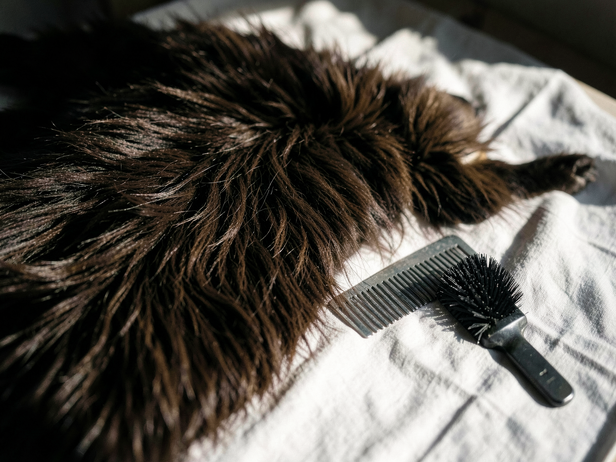
Preparing for a Sheltie's coat care, I lay out the tools beside the soft fur. This Shetland Sheepdog in India needs regular grooming.
What a Sheltie actually looks like and how much coat it carries
A healthy adult Sheltie stands roughly 33 to 41 centimetres at the shoulder and weighs between 6 and 12 kilograms, though individuals vary. The double coat is the breed's most striking feature: a long, harsh outer layer and a dense, soft undercoat that together kept the dog warm in sub-zero island weather. In India's climate, that coat sheds heavily twice a year and moderately the rest of the time. Daily brushing during shedding season is not optional, mats form quickly in the undercoat around the ears, behind the elbows, and at the collar line. A slicker brush and a metal comb with both wide and fine teeth are the practical tools. Professional grooming every six to eight weeks helps, but it does not replace daily home brushing. The coat should never be shaved; the double layer also insulates against heat, and shaving disrupts that function and can cause permanent coat damage.
Exercise, mental load, and the bark
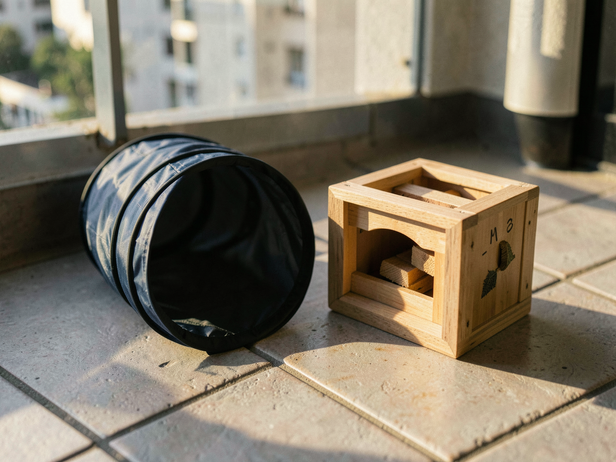
Shelties are often described as a medium-energy breed, which is accurate in terms of physical stamina but misleading about mental need. Two thirty-minute walks a day will keep a Sheltie physically comfortable. What it will not do is satisfy a brain that was designed to solve problems, track movement, and make fast decisions all day. A Sheltie that is physically walked but mentally idle will find its own occupation, and that occupation is usually barking. The Sheltie bark is high-pitched, persistent, and carries through walls and floors in a way that creates real problems in apartment buildings. The bark is not a flaw to be punished; it is a working tool the dog was selected for, used to alert the shepherd and move livestock. Redirecting it requires structured mental work: obedience training, scent games, puzzle feeders, and ideally a dog sport such as agility or rally obedience. Owners who invest in that mental engagement consistently report far quieter dogs than those who rely on exercise alone.
![Balcony Agility Setup]()
Balcony Agility Setup
Image credit : AI
My Sheltie in this Indian flat would love this agility setup. Perfect for mental stimulation.
Health issues the breed is known for
Shelties carry several heritable health predispositions that prospective owners should know before choosing a breeder or a rescue. The most significant is Collie Eye Anomaly, a developmental condition affecting the eye's structure that ranges from mild and non-progressive to severe enough to cause vision loss. It is detectable by a veterinary ophthalmologist from around six weeks of age. Hip dysplasia is a predisposition in the breed, as it is in many medium dogs; it is not a certainty, and responsible breeders screen breeding pairs. Dermatomyositis, an inflammatory condition affecting the skin and muscle, appears in some lines and typically shows first as skin lesions on the face and ears in young dogs. Hypothyroidism, reduced thyroid function, is seen with some frequency in Shelties and can present as weight gain, coat changes, and low energy; it is manageable with daily medication once diagnosed. Shelties are also among the breeds known to carry the MDR1 gene mutation, now called ABCB1, which makes them sensitive to certain common drugs including some antiparasitic medications. A vet who knows the breed will test for this before prescribing anything in the affected drug class. None of these predispositions means a given Sheltie will develop the condition, but they are real enough that they belong in any honest conversation about the breed.
Is a Sheltie a realistic choice for an Indian flat?
The answer depends almost entirely on what the owner is prepared to do, not on the size of the home. Shelties are loyal, trainable, and deeply attached to their people, qualities that make them genuinely rewarding to live with. They are also vocal, coat-intensive, and mentally demanding in a way that catches people off guard if they chose the breed for its looks. A Sheltie in a flat with daily training sessions, structured mental enrichment, and an owner who is home for significant parts of the day can thrive. The same dog in a home where it is left alone for long stretches with nothing to do will bark, pace, and develop anxiety. The coat load is also a practical reality in Indian humidity; regular grooming is a time and cost commitment that should be budgeted honestly before the dog arrives.