There was a time when loving a pet meant feeding them well, keeping them safe, and letting them age naturally. Wrinkles, scars, droopy ears, and cloudy eyes were seen as signs of a life fully lived. Today, that idea is quietly changing. In parts of Hollywood and other affluent celebrity circles, dogs are being taken to cosmetic clinics for procedures once reserved only for humans. Facelifts, ear pinning, tail reshaping, wrinkle reduction, and even Botox injections are no longer shocking exceptions. They are becoming a trend. This shift raises uncomfortable questions about love, control, beauty, and the fine line between care and projection.
How Cosmetic Procedures For Dogs Entered The Spotlight
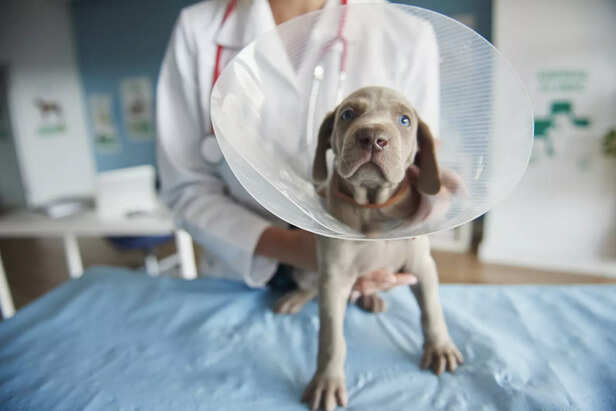
![dog wearing pet collar]()
dog wearing pet collar
Image credit : Freepik
The rise of dog cosmetic surgery did not happen overnight. It grew slowly alongside celebrity culture, social media, and the increasing humanization of pets. As pets began appearing on red carpets, Instagram feeds, and brand campaigns, their appearance started being treated like an extension of their owner’s image. A dog was no longer just a companion. It became a public figure. For some owners, especially those constantly photographed, a pet’s natural aging began to feel like a flaw rather than a phase of life.
Veterinary cosmetic clinics initially justified these procedures as medical corrections. Ear pinning was described as helping posture. Wrinkle removal was framed as reducing infections. Over time, the line between medical necessity and aesthetic desire blurred. What began as rare corrections slowly turned into elective enhancements.
Why Hollywood Culture Fuels This Trend
![adorable dog]()
adorable dog
Image credit : Freepik
Hollywood has always been a place where appearance holds power. Youth is rewarded. Aging is resisted. Perfection is monetized. When this mindset spills into pet ownership, dogs become part of the same beauty economy. A smooth-faced French bulldog photographs better. A symmetrical nose fits brand aesthetics. A wrinkle-free face reads as healthier on camera, even if it required surgical intervention.
In celebrity circles, pets often travel everywhere with their owners. They attend events, appear in photoshoots, and feature in sponsored posts. The pressure to maintain a certain image does not stop at human skin. It extends to fur, ears, and tails. This is not always driven by cruelty. Often, it comes from a desire to keep everything aligned with a curated lifestyle. But intention does not erase consequence.
The Procedures That Are Becoming Common
Cosmetic surgeries for dogs vary widely in intensity. Some are invasive, others subtle. The most talked about procedures include facelifts to tighten sagging skin, ear cropping or reshaping for symmetry, tail docking for aesthetic preference, wrinkle removal, especially in breeds like bulldogs and shar peis, and even Botox to smooth facial expressions. Some dogs undergo dental reshaping to achieve a cleaner smile for the camera. What is striking is not just the existence of these procedures, but how casually they are discussed in elite circles. For some owners, booking a cosmetic appointment for a dog feels no different from booking a grooming session.
The Emotional Cost Pets Cannot Voice
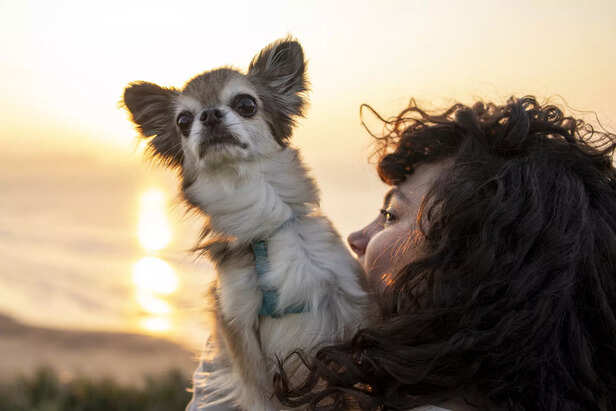
![woman with chihuahua-dog]()
woman with chihuahua-dog
Image credit : Freepik
Dogs cannot consent. They cannot explain discomfort, confusion, or emotional distress in words. They rely entirely on their owners to interpret what is best for them. Cosmetic surgery, unlike necessary medical treatment, introduces pain and recovery without any benefit that the animal can understand.
Many veterinarians and animal behaviorists warn that dogs experience post-surgical anxiety. Changes in facial structure can affect how dogs communicate with other animals. Dogs rely heavily on facial cues, ear positioning, and body language. Altering these features can lead to miscommunication, social stress, and even aggression from other dogs who misread their signals. Beyond physical pain, there is emotional disruption. A dog waking up from surgery does not understand why its body feels different. It only knows it hurts and smells unfamiliar.
When Love Turns Into Projection
At the heart of this trend lies a deeper psychological issue. Humans often project their own fears onto their pets. Fear of aging. Fear of imperfection. Fear of judgment. In Hollywood, where image is currency, these fears are amplified. Some owners genuinely believe they are helping their pets by keeping them looking young and healthy. But youth and health are not the same. A dog does not measure its worth by smooth skin or symmetrical features. It measures safety through routine, affection, and familiarity. When love becomes about control over appearance, it stops being unconditional. It becomes transactional. The pet is loved not as it is, but as it should look.
The Role Of Social Media In Normalizing The Trend
![dog]()
dog
Image credit : Freepik
Social media plays a powerful role in making cosmetic pet procedures seem acceptable. Perfect-looking pets receive more likes. Cleaner faces attract more brand deals. Viral content rewards visual appeal over authenticity. When celebrities share images of flawless pets without context, it sends a message that this is normal care. Rarely do followers see the recovery process, the pain, or the confusion the animal experiences. The absence of transparency makes the trend feel harmless. Over time, what once felt extreme becomes aspirational. Regular pet owners begin questioning whether they are neglecting their pets by allowing them to age naturally.
Ethical Questions Veterinarians Are Raising
Many veterinary associations oppose elective cosmetic surgery for pets. They argue that any procedure without a clear medical benefit violates animal welfare principles. Some countries have already banned practices like ear cropping and tail docking for cosmetic reasons. Veterinarians who refuse to perform such procedures often face pressure from wealthy clients willing to pay large sums. Others comply due to financial incentives or ambiguous medical justifications. This creates an ethical divide within the profession. Where does care end and cosmetic indulgence begin? Who decides what is necessary for an animal that cannot speak.
Breed Standards And The Beauty Trap
Breed standards themselves play a role in this issue. Certain breeds are already bred for exaggerated features that cause health problems. Flat faces, excessive wrinkles, and unnatural body proportions are considered desirable. Cosmetic surgery becomes an extension of this harmful standardization.
Instead of questioning why these features exist, some owners attempt to perfect them surgically. This reinforces the idea that animals exist to meet aesthetic ideals rather than live comfortably.
The Quiet Suffering Behind Perfect Photos
Behind many polished images are dogs recovering in pain, wearing cones, struggling to eat or sleep comfortably. These moments rarely make it to social feeds. The narrative remains one of luxury and care, not discomfort. Animal welfare advocates stress that suffering does not have to be dramatic to be real. Even mild pain experienced for no reason is still harmful. Especially when the subject had no choice.
How This Trend Influences Everyday Pet Owners
Hollywood trends rarely stay confined to Hollywood. What celebrities normalize often trickles down into mainstream behavior. Groomers report increased requests for breed alterations. Vets report clients asking about aesthetic fixes they saw online. This is where the danger grows. When cosmetic pet surgery becomes aspirational, it pressures everyday owners to prioritize looks over well-being. It shifts the definition of good pet care in unhealthy ways.
Loving Pets As Living Beings, Not Accessories
Pets are not fashion statements. They are living beings with emotional lives, preferences, and vulnerabilities. Their beauty lies in their individuality, not their conformity to human ideals. A gray muzzle tells a story of loyalty. A droopy ear carries memories of play. Wrinkles reflect years of expression and emotion. Erasing these features erases part of a pet’s identity. True care means allowing pets to age, change, and exist without interference unless their health genuinely depends on it.
Where Compassion Should Draw The Line
There are cases where surgery is necessary. Removing a tumor. Correcting a painful condition. Improving quality of life. These decisions are rooted in compassion. Cosmetic surgery driven by image does not fall into this category. It serves human comfort, not animal well-being. Recognizing this difference is crucial as pet ownership continues to evolve.
A Cultural Shift Waiting To Happen
Just as conversations around body positivity have challenged human beauty standards, a similar shift is needed for pets. Celebrating animals as they are, not as curated versions of perfection, is an act of respect. Hollywood has the power to change this narrative. By showing aging pets, imperfect features, and real companionship, celebrities can redefine what pet love looks like.
Choosing Empathy Over Aesthetics
The way we treat animals reflects who we are as a society. When we prioritize appearance over comfort, we reveal misplaced values. Pets offer unconditional love without asking for perfection. They deserve the same in return. Cosmetic surgery for dogs may be framed as care, luxury, or love. But at its core, it asks us to question whether we are loving animals for who they are or reshaping them to fit our own insecurities. The answer to that question will define the future of pet care in a world increasingly obsessed with appearances.
Celebrate the bond with your pets, explore
Health & Nutrition, discover
Breeds, master
Training Tips,
Behavior Decoder, and set out on exciting
Travel Tails with
Times Pets!