
Indie Dogs Don’t Bark Like Pedigrees. Here’s the Shocking Reason Why
Tanisha Kumari | Aug 31, 2025, 14:20 IST

Indie Dogs
Image credit : Unsplash
why indie dogs bark less than pedigree dogs. Indian street dogs at home have a unique calmness and use quiet signals instead of loud barking. Their behavior evolved from living outdoors and needing to avoid noise to stay safe. The difference between indie vs breed pet signals shows indie dogs’ smart and gentle nature. Families find indie dogs great for quiet homes. Learn how these loving dogs communicate differently and why they make peaceful pets.
Indie dogs do not bark the same way as pedigree dogs. This shocking difference is not random. It comes from how indie dogs grow up and learn to live with people and other animals around them.
Indie dog behaviour is very different from pet breeds. Indian street dogs at home often act calm. They only bark when something unusual happens nearby. They are very smart and only use barking to warn the family if they sense true danger or a stranger.
Pedigree dogs bark for many reasons, maybe they want attention or are bred to show signals often. Top breed pet signals do not match indie vs breed pet signals. Indie dogs know their community well. If they see the same person every day, they will not bark at them. If someone new is around, they may bark softly.
Why Indie Dogs Learn Quiet Living
![Imitate calmness]()
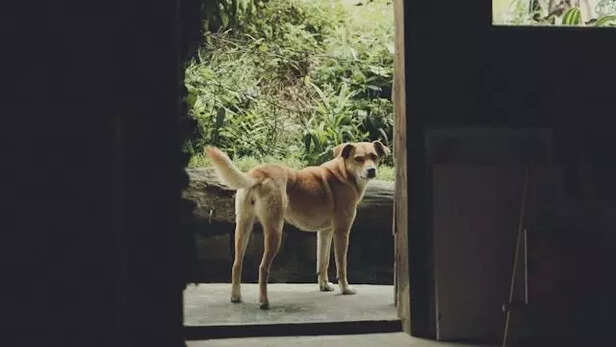
Indie dogs spend most of their lives outdoors. They learn that making too much noise can attract trouble. Being quiet helps them stay safe on busy streets and avoid fights with other dogs or people.
Indian street dogs at home copy this silence when adopted. They soon trust their new family but still do not bark for small things. Their quiet signals are their way of sharing comfort with people.
Pedigree pets notice every tiny movement. Most breed dogs have been bred to bark as a signal. Indie dogs were never bred for barking. Their signals for people are silent, but full of meaning.
Indie vs Breed Pet Signals
![Pet signals]()
Indie dogs use more body signals than pedigree dogs. They might wag their tail gently, stand up tall or sit quietly as a signal. Breed dogs often bark and make loud noises to get attention. This comes from years of breeding for work and company.
Indie dog behaviour is very unique. They are both quiet and calm but alert. These signals help families feel safe without noisy pets indoors.
Indian street dogs at home can watch the world without barking. This shows they know what signals matter most. Families who care for indie dogs often feel that their dog understands home life quickly and follows rules well.
How Families Can Help Indie Dogs
If a family wants an indie dog to bark even less, they just need to build trust gently. Share food, water, and quiet time. Indie dogs love silent signals like a soft voice or light touch—they learn these signals fast.
Early training makes indie dogs well-behaved in every setting. Give them simple tasks or games. Indie vs breed pet signals also mean indie dogs learn what is important sooner. They can become the best pet for homes looking for calm company.
Most pedigree dogs will bark at anything and sometimes even loudly. Indie dogs know when to stay quiet or just use their eyes to show danger. Their history in India has made them smart and gentle.
The Heart of Indie Dog Behaviour
![Quiet Pet]()
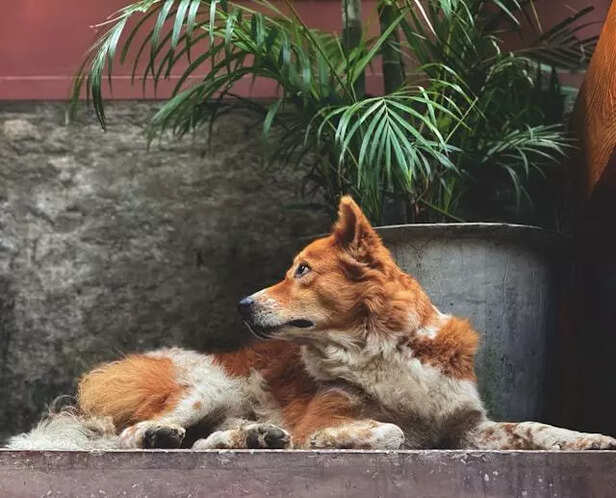
Many people now want a quiet pet at home. Indie dogs are perfect for this as they bark less and use simple signals. Their alert but silent behaviour makes Indian street dogs at home a very special family pet.
Pedigree dogs are bred to bark more. Indie vs breed pet signals prove how natural and gentle indie dogs are. They help families feel safe and loved without noisy days and nights.
In the end, the reasons indie dogs do not bark like pedigrees are clear. It is in their nature, rooted in their history and smart ways of living. Choosing an indie dog brings both peace and friendship. Homes become calmer and happier with these loving quiet friends.
Discover expert advice and the latest tips on pet care, training, health, and more. Stay updated with all things pets at Times Pets!
Frequently Asked Questions (FAQs)
Indie dog behaviour is very different from pet breeds. Indian street dogs at home often act calm. They only bark when something unusual happens nearby. They are very smart and only use barking to warn the family if they sense true danger or a stranger.
Pedigree dogs bark for many reasons, maybe they want attention or are bred to show signals often. Top breed pet signals do not match indie vs breed pet signals. Indie dogs know their community well. If they see the same person every day, they will not bark at them. If someone new is around, they may bark softly.
Why Indie Dogs Learn Quiet Living
Imitate calmness
Image credit : Unsplash
Indie dogs spend most of their lives outdoors. They learn that making too much noise can attract trouble. Being quiet helps them stay safe on busy streets and avoid fights with other dogs or people.
Indian street dogs at home copy this silence when adopted. They soon trust their new family but still do not bark for small things. Their quiet signals are their way of sharing comfort with people.
Pedigree pets notice every tiny movement. Most breed dogs have been bred to bark as a signal. Indie dogs were never bred for barking. Their signals for people are silent, but full of meaning.
Indie vs Breed Pet Signals

Pet signals
Image credit : Pexels
Indie dogs use more body signals than pedigree dogs. They might wag their tail gently, stand up tall or sit quietly as a signal. Breed dogs often bark and make loud noises to get attention. This comes from years of breeding for work and company.
Indie dog behaviour is very unique. They are both quiet and calm but alert. These signals help families feel safe without noisy pets indoors.
Indian street dogs at home can watch the world without barking. This shows they know what signals matter most. Families who care for indie dogs often feel that their dog understands home life quickly and follows rules well.
How Families Can Help Indie Dogs
If a family wants an indie dog to bark even less, they just need to build trust gently. Share food, water, and quiet time. Indie dogs love silent signals like a soft voice or light touch—they learn these signals fast.
Early training makes indie dogs well-behaved in every setting. Give them simple tasks or games. Indie vs breed pet signals also mean indie dogs learn what is important sooner. They can become the best pet for homes looking for calm company.
Most pedigree dogs will bark at anything and sometimes even loudly. Indie dogs know when to stay quiet or just use their eyes to show danger. Their history in India has made them smart and gentle.
The Heart of Indie Dog Behaviour
Quiet Pet
Image credit : Unsplash
Many people now want a quiet pet at home. Indie dogs are perfect for this as they bark less and use simple signals. Their alert but silent behaviour makes Indian street dogs at home a very special family pet.
Pedigree dogs are bred to bark more. Indie vs breed pet signals prove how natural and gentle indie dogs are. They help families feel safe and loved without noisy days and nights.
In the end, the reasons indie dogs do not bark like pedigrees are clear. It is in their nature, rooted in their history and smart ways of living. Choosing an indie dog brings both peace and friendship. Homes become calmer and happier with these loving quiet friends.
Discover expert advice and the latest tips on pet care, training, health, and more. Stay updated with all things pets at Times Pets!
Frequently Asked Questions (FAQs)
- Are Indian Street dogs good pets at home?
Yes, Indian street dogs at home are calm and smart pets. They bark only when needed and quickly learn to trust family members. - Can indie dogs be trained to bark less?
Indie dogs already bark less naturally. Families just need to build trust and give gentle training to keep them calm and quiet pets. - Are Indie dogs known to be aggressive?
No, Indie dogs are not inherently aggressive, but if put in a corner, they might attack in their defense which is a normal response of any animal.