
India’s Silent Victim: Why Pangolins in the Aravallis Are Under Threat
Tanisha Kumari | Dec 24, 2025, 14:52 IST

Pangolin
Image credit : Unsplash
Indian pangolin, a nocturnal mammal found in the Aravalli hills, is under severe threat due to poaching, trafficking, mining and urbanisation. Despite being protected under the Wildlife Protection Act, 1972, pangolins remain the most trafficked mammal in India. The Aravalli range provides critical habitat but weak enforcement and habitat destruction are pushing pangolins toward extinction. Stronger conservation measures, community awareness and protection of the Aravallis are essential to safeguard this species.
Aravalli hills stretching from Delhi to Gujarat is home to Pangolin. This nocturnal animal has quietly become the most trafficked mammal in the world. As pressure mounts on the Aravalli range due to mining, urbanisation and weak enforcement pangolins are emerging as silent victims of a crisis that combines wildlife crime with habitat destruction.
India is home to the Indian pangolin who is a scaly anteater protected under the Wildlife Protection Act, 1972. Despite this legal protection pangolins are hunted for illegal wildlife markets. Pangolin scales are made of keratin the same material as human nails and their demand continues to fuel a global black market.
Why the Aravalli Hills Matter for Pangolin Survival
![aravalli hills]()
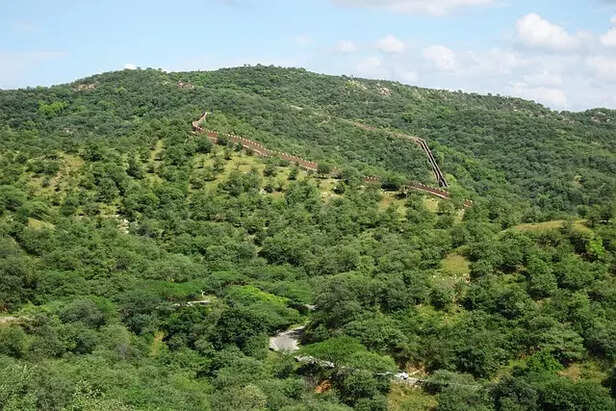
Aravalli hills form one of the oldest mountain ranges in the world. For pangolins, this landscape offers ideal living conditions like rocky outcrops for burrowing, forest cover for protection and abundant ants and termites for food purpose. Parts of Aravallis in Southern Rajasthan and Haryana have become habitats for pangolins. The ecological importance of these hills is overshadowed by their perceived economic value putting species like the pangolin at grave risk.
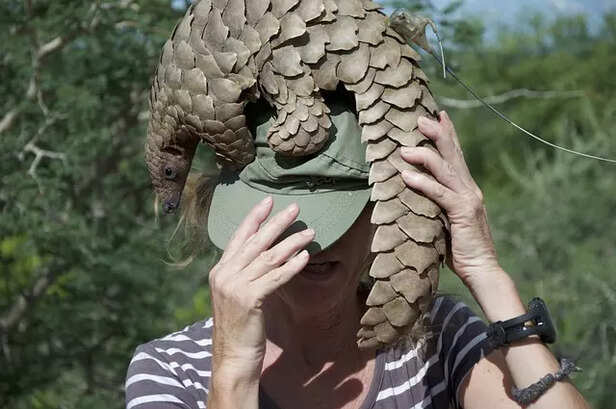
Pangolin poaching in the Aravallis is carried out by the local hunters that unknowingly drawn into larger trafficking networks. Traps, digging out burrows and nighttime hunts are common methods. Once captured pangolins are smuggled through interstate routes eventually feeding into international wildlife trade chains. Forest officials face challenges like limited staff, difficult terrain and organised criminal networks that operate faster than enforcement mechanisms.
Can the Pangolin Be Saved? Conservation Gaps and the Way Forward
![Pangolin poaching]()
Saving the pangolin requires more than legal protection on paper. Stronger enforcement, better-trained forest, personnel and improved intelligence sharing to dismantle trafficking networks are critical. Community awareness is equally important. Conservation groups and wildlife authorities have had some success through rescue operations and awareness campaigns but these efforts need scaling up.
Protecting the Aravallis as a whole by curbing illegal mining, restoring degraded forests and recognising the range as an ecological lifeline would directly benefit pangolins and countless other species. The pangolin’s survival is a test of India’s commitment to wildlife conservation. If action is delayed, this mammal may disappear from the Aravallis.
Celebrate the bond with your pets, explore Health & Nutrition, discover Breeds, master Training Tips, Behavior Decoder, and set out on exciting Travel Tails with Times Pets!
Pangolin: India’s Most Trafficked Mammal
Why the Aravalli Hills Matter for Pangolin Survival
aravalli hills
Image credit : Pixabay
Aravalli hills form one of the oldest mountain ranges in the world. For pangolins, this landscape offers ideal living conditions like rocky outcrops for burrowing, forest cover for protection and abundant ants and termites for food purpose. Parts of Aravallis in Southern Rajasthan and Haryana have become habitats for pangolins. The ecological importance of these hills is overshadowed by their perceived economic value putting species like the pangolin at grave risk.
Poaching , Trafficking and the Underground Wildlife Trade
Can the Pangolin Be Saved? Conservation Gaps and the Way Forward
Pangolin poaching
Image credit : Pixabay
Saving the pangolin requires more than legal protection on paper. Stronger enforcement, better-trained forest, personnel and improved intelligence sharing to dismantle trafficking networks are critical. Community awareness is equally important. Conservation groups and wildlife authorities have had some success through rescue operations and awareness campaigns but these efforts need scaling up.
Protecting the Aravallis as a whole by curbing illegal mining, restoring degraded forests and recognising the range as an ecological lifeline would directly benefit pangolins and countless other species. The pangolin’s survival is a test of India’s commitment to wildlife conservation. If action is delayed, this mammal may disappear from the Aravallis.
Celebrate the bond with your pets, explore Health & Nutrition, discover Breeds, master Training Tips, Behavior Decoder, and set out on exciting Travel Tails with Times Pets!