
Heatwaves And Pets: Survival Challenges
Anushka Tripathi | Mar 23, 2026, 14:00 IST

woman with cute dog
Image credit : Freepik
Heatwaves pose serious challenges for pets, affecting their health, hydration, and overall wellbeing. Understanding the signs of heat stress, creating a cool and safe environment, adjusting exercise, and monitoring diet are crucial steps for responsible pet owners. This article provides practical tips for keeping pets safe during extreme temperatures, including vulnerable animals, emergency preparedness, and mental wellbeing strategies. With proper care and vigilance, pets can comfortably navigate the scorching summer months while staying healthy, hydrated, and happy.
Indian summers can be brutal not only for humans but also for pets. Heatwaves increase the risk of dehydration, heatstroke, and exhaustion in animals. Pets with thick fur, short noses, or pre-existing health conditions are particularly vulnerable. Understanding how heat affects their body temperature and behavior is the first step toward keeping them safe and comfortable during extreme heat.
Recognizing The Signs Of Heat Stress In Pets
Pets cannot communicate discomfort the way humans do. Common signs of heat stress include excessive panting, drooling, lethargy, vomiting, or unsteady movements. Dogs with flat faces, like pugs and bulldogs, are prone to breathing difficulties. Cats may hide in cool areas or become unusually quiet. Recognizing these early warning signs can prevent a dangerous situation and save your pet’s life.
Hydration Is Key To Survival
Water is the simplest yet most critical element in protecting pets from heat. Fresh, clean water should always be available indoors and outdoors. Adding ice cubes or chilled water can encourage pets to drink more. For cats, wet food provides additional hydration, while dogs may enjoy frozen treats designed for pets. Proper hydration keeps their organs functioning and helps regulate body temperature.
Creating A Cool And Safe Environment
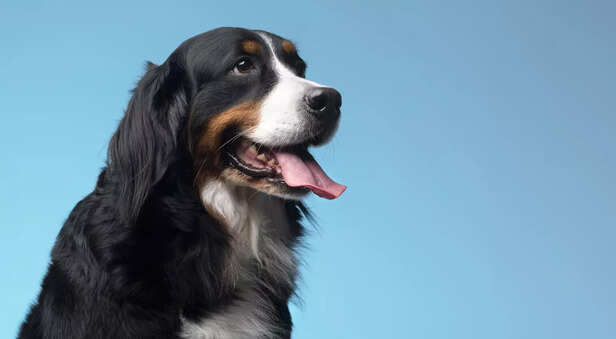
pet dog
Image credit : Freepik
Pets need a cool, shaded area to escape the scorching sun. Indoors, air conditioning or fans can make a huge difference. Outdoors, avoid asphalt or concrete surfaces that absorb heat and burn paws. Portable cooling mats, shaded kennels, and misting fans are practical tools for keeping pets safe during peak temperatures. A well-ventilated space is essential for preventing heat-related illnesses.
Summer walks should be scheduled during early mornings or late evenings when temperatures are lower. Avoid running or high-intensity play during the day. Swimming or playing in shallow water can help dogs cool down. Overexertion in hot weather can quickly lead to dehydration or heatstroke. Monitoring your pet’s energy levels and behavior ensures that fun does not turn into danger.
Nutrition And Diet Considerations During Heatwaves
Pets may eat less during hot weather, making hydration and light, easily digestible meals important. Avoid heavy, fatty foods that increase body heat. Offer small, frequent meals and consider foods that provide electrolytes. Frozen fruits or pet-safe ice treats can make mealtime more appealing while keeping them cool. Proper nutrition helps maintain strength and immunity in extreme temperatures.
Certain pets are more susceptible to heat stress. Puppies, kittens, senior animals, overweight pets, and breeds with short noses require extra care. Monitor them closely and limit their exposure to high temperatures. Keep them indoors during heatwaves and provide additional cooling tools such as fans, water bowls, or cooling vests. Being proactive can prevent serious health emergencies.
Emergency Preparedness For Heat-Related Illnesses

poodle
Image credit : Freepik
Knowing what to do in case of heatstroke can save your pet’s life. Signs include rapid panting, collapse, vomiting, and bright red gums. Immediate action involves moving the pet to a shaded or cool area, offering small amounts of water, and using cool (not cold) water to lower body temperature. Contacting a veterinarian immediately is crucial, as heatstroke can become fatal in minutes.
Heatwaves make travel challenging. Vehicles heat up quickly, and leaving pets in a parked car is extremely dangerous. When traveling, use air-conditioned transport, frequent water breaks, and sun protection. Never expose pets to direct sunlight for long periods. Planning trips around cooler times of the day can ensure safety and reduce stress for your furry companions.
Heatwave Safety Tips For Outdoor Pets
Outdoor pets require extra precautions. Provide ample shade, fresh water, and cooling devices. Reflective or light-colored shelters can reduce heat absorption. Check paws for burns from hot pavements and always supervise pets outdoors. Temporary adjustments to routines and close observation can keep outdoor pets healthy and comfortable during extreme temperatures.
Heat can make pets irritable or lethargic. Spending quiet, quality time indoors helps reduce stress. Gentle play, interactive toys, and comfortable resting areas contribute to emotional wellbeing. Cooling mats and shaded retreats give pets a sense of comfort. Attending to their mental health during hot months is as important as physical safety.
Heatwaves are challenging for pets, but with proper care, preparation, and observation, they can remain safe and happy. Understanding the risks, creating a cool environment, providing hydration, and adjusting routines are essential. Responsible pet ownership during extreme heat ensures your furry friends survive summers comfortably and continue to bring joy to your life.
Celebrate the bond with your pets, explore Health & Nutrition, discover Breeds, master Training Tips, Behavior Decoder, and set out on exciting Travel Tails with Times Pets!