
From Cute to Unrecognizable: 8 Animal Transformations
Noopur Kumari | Apr 17, 2026, 18:01 IST

Some baby animals
Image credit : Freepik
Some baby animals look completely different from their adult forms, showcasing nature’s incredible transformations. From flamingos that turn pink over time to frogs that evolve from fish-like tadpoles, these changes are driven by survival, camouflage, and adaptation. This article explores eight fascinating animals whose early stages are almost unrecognizable, revealing the hidden reasons behind their dramatic “glow-ups.”
What if you saw a baby animal and had no idea what it would grow into? It sounds strange, but in nature, it happens more often than you think. Some animals change so drastically as they grow, they look like completely different species. From bright colors to totally new body shapes, these transformations are not just surprising they are essential for survival. And once you see them, you’ll never look at baby animals the same way again.
![Grey Chick to Pink Beauty]()
A Flamingo chick is born grey or white, looking nothing like the bright pink adult we recognize. The transformation happens slowly through diet. Flamingos eat shrimp and algae rich in carotenoids, which give them their signature color. Without this diet, they would remain pale. This dramatic change shows how environment and nutrition shape appearance over time, turning a simple-looking chick into one of nature’s most striking birds.
![Bright Baby, Calm Adult]()
The baby Silvered Leaf Monkey is bright orange, while adults have silvery-grey fur and dark faces. This contrast is not random. The bright color helps babies stand out, encouraging protection and care from the group. As they grow, their color changes to blend in with the environment. It’s a perfect example of how appearance can serve different purposes at different life stages.
Young Wild Boar piglets are born with light brown coats and distinctive stripes, making them look very different from their dark, solid-colored parents. These stripes act as camouflage, helping them blend into forest surroundings and avoid predators. As they grow stronger, the stripes fade away. This transformation shows how survival needs change with age.
![Striped Piglet Camouflage]()
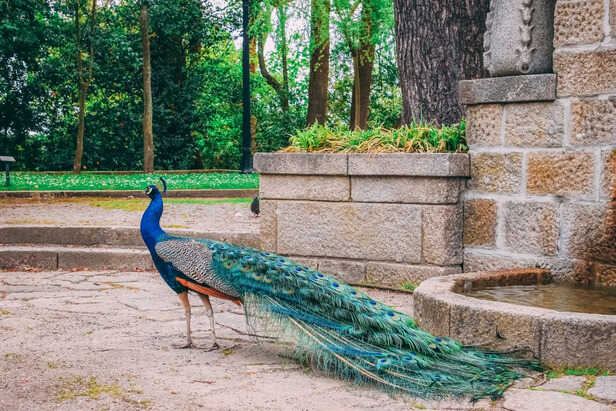
A Peacock chick starts off dull and plain, lacking the vibrant feathers of adult males. Over time, males develop their famous blue and green plumage used for attracting mates. As babies, their neutral colors help them stay hidden from predators. Later, those same birds become some of the most visually striking creatures in nature.
A Frog begins life as a tadpole fish-like, with gills and a tail. As it grows, it undergoes complete metamorphosis, developing legs, lungs, and losing its tail. This transformation is so extreme that it looks like two entirely different animals. It highlights one of nature’s most fascinating processes, where an organism completely changes its form to adapt to a new way of life.
A baby Elephant looks softer, smaller, and even slightly pink compared to its massive, grey adult form. It may have fine hair and smoother skin, which gradually changes as it grows. This softer appearance reflects vulnerability, while the adult form represents strength and survival. The transformation is subtle but powerful.
The young Harlequin Filefish is brightly colored with bold orange, black, and blue patterns that help it blend into vibrant coral reefs. At this stage, its striking appearance acts as protection, allowing it to hide among similarly colored corals and avoid predators. As it matures, its colors become softer and more subdued, shifting toward pale tones. Instead of standing out, the adult relies on subtle camouflage and quiet movement to survive. This transformation highlights how survival strategies change with age, moving from bold visibility in youth to calm, almost invisible adaptation in adulthood.
Tapir’s Disappearing Patterns
Baby Tapir are born with brown coats covered in white spots and stripes, helping them blend perfectly into the forest’s light and shadows. This natural camouflage protects them from predators during their most vulnerable stage. As they grow, these patterns slowly fade, and their coat becomes solid in color. At this stage, they no longer rely on hiding but on their size, strength, and quiet movement to stay safe. This transformation shows how survival strategies evolve over time, shifting from invisibility in youth to confidence and stealth in adulthood, perfectly adapting to each stage of life.
Celebrate the bond with your pets, explore Health & Nutrition, discover Breeds, master Training Tips, Behavior Decoder, and set out on exciting Travel Tails with Times Pets!
The Flamingo’s Color Secret
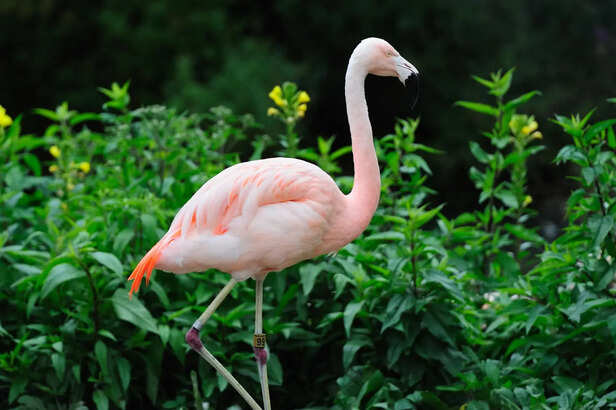
Grey Chick to Pink Beauty
Image credit : Freepik
A Flamingo chick is born grey or white, looking nothing like the bright pink adult we recognize. The transformation happens slowly through diet. Flamingos eat shrimp and algae rich in carotenoids, which give them their signature color. Without this diet, they would remain pale. This dramatic change shows how environment and nutrition shape appearance over time, turning a simple-looking chick into one of nature’s most striking birds.
Orange to Silver: A Monkey’s Shift
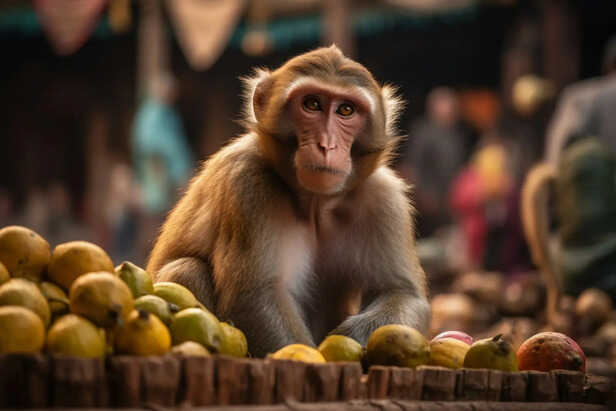
Bright Baby, Calm Adult
Image credit : Freepik
The baby Silvered Leaf Monkey is bright orange, while adults have silvery-grey fur and dark faces. This contrast is not random. The bright color helps babies stand out, encouraging protection and care from the group. As they grow, their color changes to blend in with the environment. It’s a perfect example of how appearance can serve different purposes at different life stages.
Stripes That Disappear
The Peacock’s Hidden Beauty
Striped Piglet Camouflage
Image credit : Freepik
A Peacock chick starts off dull and plain, lacking the vibrant feathers of adult males. Over time, males develop their famous blue and green plumage used for attracting mates. As babies, their neutral colors help them stay hidden from predators. Later, those same birds become some of the most visually striking creatures in nature.
From Tadpole to Frog
The Gentle Giant’s Early Form
Colorful Fish to Calm Adult
Tapir’s Disappearing Patterns
Celebrate the bond with your pets, explore Health & Nutrition, discover Breeds, master Training Tips, Behavior Decoder, and set out on exciting Travel Tails with Times Pets!