
Fish Breeds That are Perfect for Kids For Caring Too
Upasna Yadav | Mar 05, 2026, 11:04 IST

Low Maintenance Freshwater fish Perfect for Beginner
Are you seeking a small addition to your freshwater aquarium? We have some of the best small aquarium fish species for your tank. Most of these fish grow to less than 3 inches. Note that many of these species thrive in small schools of at least three to five individuals. Before adding new fish species, thoroughly research to ensure their environmental needs match your aquarium's existing conditions and that all fish are compatible. Quarantine all new fish in a separate tank with distinct equipment for four to six weeks to prevent disease introduction.
Highlights
1. Most small aquarium fish thrive in schools and need a minimum tank size of 10 to 30 gallons, depending on the species.
2. Many species, like livebearers, can quickly multiply in an aquarium setting, potentially leading to overpopulation if not monitored.
3. Different fish species have specific habitat and dietary requirements that must be met for their wellbeing, and new fish should be quarantined before being introduced to an established tank.
2. Many species, like livebearers, can quickly multiply in an aquarium setting, potentially leading to overpopulation if not monitored.
3. Different fish species have specific habitat and dietary requirements that must be met for their wellbeing, and new fish should be quarantined before being introduced to an established tank.
Let’s Look First as What We Mean By Good beginning Fish:
There are a number of factors by which a fish can qualify for inclusion in this select list of finned friends.
Hardy
Peaceful
Easy to Feed
Attractive
Commercially Raised
Working With Your Water
Some fish breeds that are easy to handle :
1. Mickey Mouse Platy
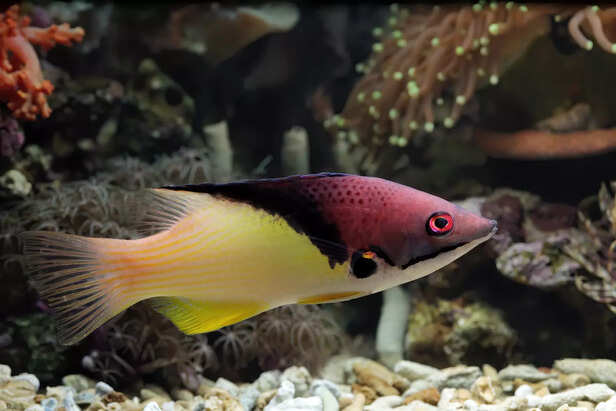
A Cute and Beginner Friendly Aquarium Fish
Platys are colorful fish that are very suitable for beginners. Since they are live bearing fish, many hobbyists start out with only a few fish which can quickly multiply into many fish. The Mickey Mouse platy is named for a very specific color pattern formed in the tail peduncle. The minimum tank size for this species is 10 gallons.
2. Guppy
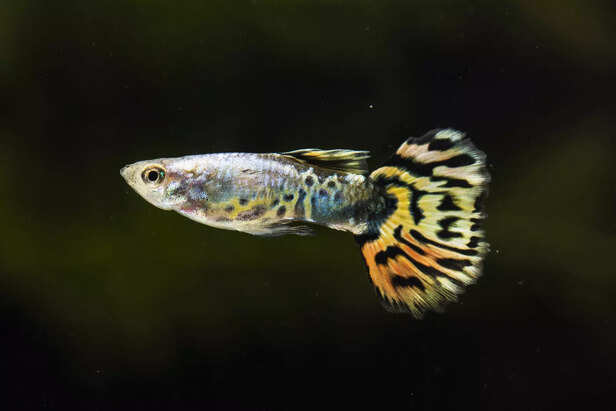
Vibrant Guppy Fish with Flowing Tails
Guppies are a cornerstone of the small fish aquarium hobby. Another live bearing species, guppy tanks are often overrun with offspring from frequent breeding. The best skill any guppy owner can learn is to tell the difference between males and females to keep populations from exploding. The males are smaller and more colorful fish, while the larger females can have a colorful tail fin but the body is plain with a large white belly. The more guppies you have, the bigger your tank needs to be. For instance, if you have a 30-gallon tank, you can keep around 15 guppies, but if you have a 10-gallon tank, only about five of them can be kept in it.
3. Neon tetra fish
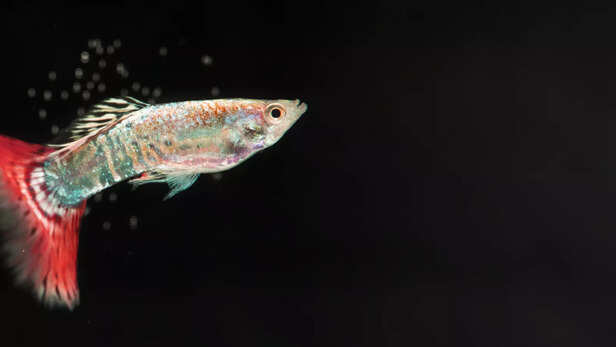
Glowing Neon Tetra Fish in a Community Aquarium
One of the most common small freshwater aquarium species is the neon tetra. These fish are known for their colorful appearance with bright red and blue stripes. They are great community fish and school together in a vibrant wave. The cardinal tetra is another, very similar species. They are distinguishable from the more common neon tetra by their longer red belly bar that extends all the way to the head. The black neon tetra is a similar species with black and gold bars instead of red and blue colors. Depending on the type of tetra you get, you’ll need a 10- or 20-gallon tank at minimum.
4. Zebra danio fish
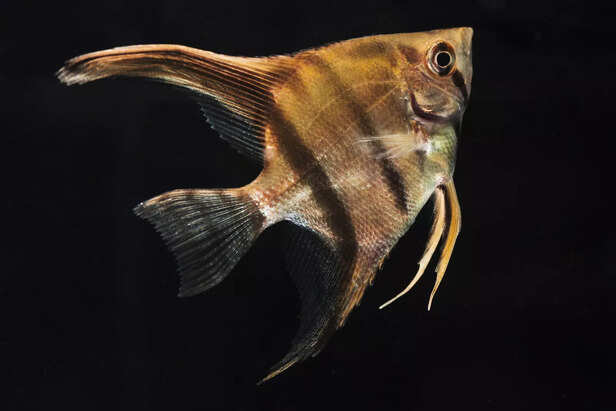
Active Zebra Danio Fish in a Freshwater Aquarium
These small, striped fish are one of the few in the aquarium hobby that don't require warm tropical temperatures. Zebrafish are peaceful, community players that love schooling in groups of five or more fish. There are multiple Danio species available in the pet market with a variety of colors and markings. There is a long fin variety of zebra danio, and this fish is also available in glow colors that were developed by adding fluorescent genes into the fish. You’ll need at least a 10-gallon tank for them.
Celebrate the bond with your pets, explore Health & Nutrition, discover Breeds, master Training Tips, Behavior Decoder, and set out on exciting Travel Tails with Times Pets!
Frequently asked questions (FAQs)
- What is the easiest fish to take care of ?
Guppies and Zebra Danios are considered some of the easiest fish to care for. They tolerate small changes in water conditions and require basic feeding and maintenance. - Can beginners keep fish in a small tank ?
Yes, beginners can keep fish in a small tank, but it’s important to choose suitable species like Betta fish or small community fish. Regular cleaning and proper filtration are essential for maintaining water quality. - How often should beginner fish be fed ?
Most beginner-friendly fish should be fed once or twice a day in small portions. Overfeeding can dirty the tank and harm fish health, so feed only what they can eat in 2–3 minutes. - How many fish should a beginner a start with ?
Beginners should start with 3–5 small fish in an appropriately sized tank (at least 10 gallons). Avoid overcrowding, as it can cause stress and water quality issues.