
Family Dogs That Truly Love Kids!
Keshvi Sood | Jan 05, 2026, 11:48 IST

Gentle Family
Image credit : Freepik
Every family that thinks about getting a dog imagines happy chaos. Kids laughing, a dog wagging its tail, and moments that slowly turn into lifelong memories. But real life with dogs is not always picture perfect, and that is actually a good thing. Some dogs absolutely love children, yet they also need calm moments, quiet corners, and respectful interaction. These dogs are not difficult or unfriendly. They are simply honest about their comfort. And in many homes, they end up being the best teachers of empathy and emotional understanding for kids.
Golden Retriever: Kind Souls Who Teach Soft Love
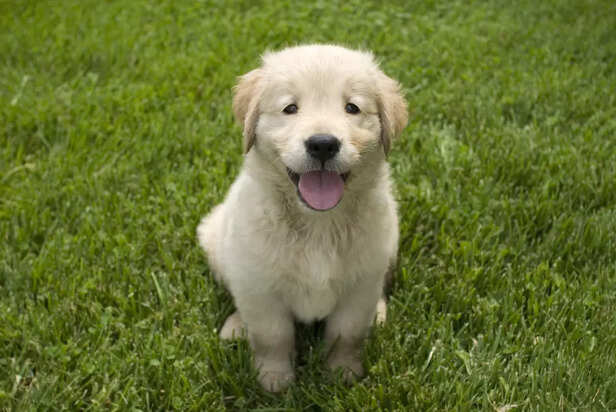
Soft Companion
Image credit : Freepik
Golden Retrievers are often described as the ultimate family dog, and for good reason. They are affectionate, patient, and naturally drawn to children. Many Goldens enjoy sitting near kids while they read, play, or relax, always happy to be included without demanding attention. Their gentle temperament makes them easy to trust around young family members.
That said, Golden Retrievers still need their space at times. When they walk away or choose a quiet spot, it is not rejection. It is communication. Families who help children understand these signals often see a stronger bond develop. A Golden who feels respected becomes even more loving and loyal. Over time, kids learn that kindness includes listening without words.
Boxer: Playful Hearts with Emotional Depth

Playful Bond
Image credit : Freepik
Boxers bring energy, joy, and personality into any home. They love playing with children and often behave like big, goofy friends who never quite grow up. Their enthusiasm makes them wonderful companions for active families, especially kids who enjoy outdoor play and movement.
But Boxers are also emotionally sensitive. Loud voices, rough handling, or nonstop stimulation can overwhelm them. They do best in families where children are taught balance. When to play and when to pause. When treated with fairness and calm, Boxers respond with deep affection and protectiveness. Many parents notice that Boxers naturally watch over kids, forming bonds that feel almost sibling-like.
Shiba Inu: Independent Companions for Thoughtful Families
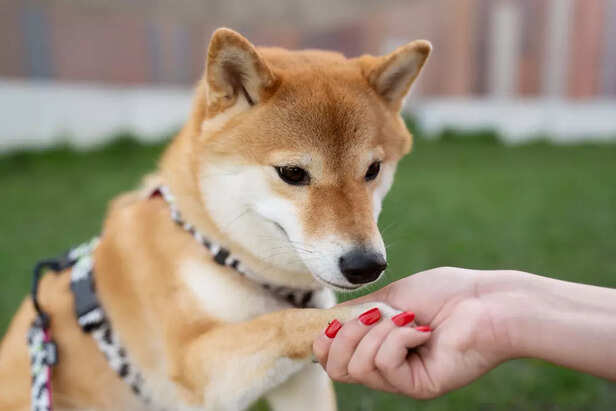
Quiet Trust
Image credit : Freepik
Shiba Inus may not be the first breed people think of for families, but they can be a great fit in the right environment. Shibas are intelligent, confident, and selective with affection. They prefer companionship over constant physical closeness, which works well with older children who understand personal space.
Rather than cuddling nonstop, Shibas show love by staying close and choosing to be part of daily routines. Children who grow up with Shibas often learn an important lesson early. Respect builds trust. When kids allow a Shiba to approach on its own terms, the bond that forms is quiet, loyal, and deeply meaningful.
Where Respect Creates the Strongest Bonds
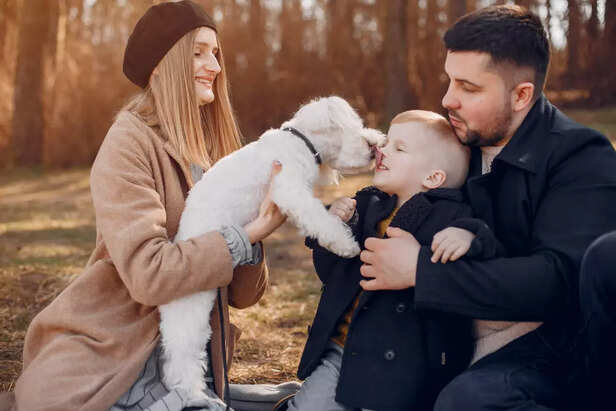
Growing Together
Image credit : Freepik
Dogs that love children but value boundaries often bring balance into family life. They help children understand emotions, patience, and mutual respect in ways no rulebook ever could. These dogs are not just pets. They become partners in growth.
Choosing the right family dog is about matching personalities, not forcing affection. When children learn to respect a dog’s comfort, the relationship becomes calmer, safer, and far more rewarding. In homes where understanding comes first, love follows naturally and stays for years.
Celebrate the bond with your pets, explore Health & Nutrition, discover Breeds, master Training Tips, Behavior Decoder, and set out on exciting Travel Tails with Times Pets!
Frequently Asked Questions (FAQs)
- Which dogs are safest for children at home?
Dogs with calm temperaments and clear communication, like Golden Retrievers and Boxers, are safest with proper training and supervision. - Can dogs that need space still love kids?
Yes, many dogs show love through calm companionship rather than constant physical affection. - How do kids learn to respect a dog’s boundaries?
By observing body language, using gentle touch, and allowing dogs to walk away when needed. - Are independent dogs good for families?
Independent dogs can be excellent family pets when children understand patience and respectful interaction. - What matters more than breed when choosing a family dog?
Training, temperament, and how a family teaches children to interact with the dog matter most.