The Maltese is one of the oldest toy breeds on record, kept as a companion by Mediterranean aristocrats for at least two thousand years. It arrived in India largely through the show-dog circuit and has since found its way into flats across Mumbai, Bengaluru and Delhi, where its small size and low-shedding coat make it an obvious candidate for apartment life. Both those advantages are real. The third thing people notice, the coat, is where the calculation changes.
What the Maltese was bred to do
The Maltese was never a working dog. It was bred entirely for human companionship: small enough to carry, calm enough to sit still, and visually striking. That single-purpose history shapes everything about the dog today. It bonds intensely with one or two people, dislikes being left alone for long stretches, and has no strong prey drive or herding instinct to manage. In an Indian flat with someone home for most of the day, this works well. In a household where everyone leaves at eight and returns at seven, it does not, a Maltese left alone that long will find ways to express its unhappiness, usually through barking or destructive chewing.
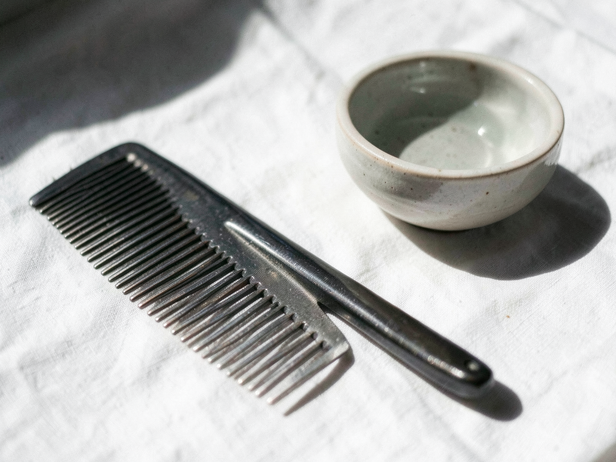
![Grooming Essentials Ready]()
Grooming Essentials Ready
Image credit : AI
Preparing for my Maltese grooming routine with essential tools.
The coat: what it is and what it costs you
The Maltese has a single-layer coat, no undercoat, made of fine, straight, silky hair that grows continuously. Because there is no undercoat to shed, loose hair does not fall on your sofa. It tangles instead, wrapping around itself and forming mats that tighten against the skin. A mat left for a week can pull the skin underneath, cause sores, and trap moisture that leads to fungal irritation. This is not a coat that tolerates a missed day.
Daily brushing is not optional. A soft slicker brush and a fine-tooth metal comb, worked through the coat in sections from the ends upward, takes ten to fifteen minutes on a well-maintained coat and considerably longer on one that has been skipped. The area behind the ears, under the armpits, and around the groin mats fastest and needs the most attention. Most Maltese owners in India who keep the full show coat take the dog to a professional groomer every three to four weeks for a bath, blow-dry, and trim. Those who do not want the daily commitment keep the coat clipped short, a puppy cut, which drops the brushing time significantly and is a perfectly reasonable choice for a pet dog.
The white coat also stains. Tear staining, the reddish-brown discolouration below the eyes, is common in the breed. It comes from porphyrins, pigmented compounds excreted in tears, and is more visible on white hair than on any other coat colour. Keeping the area below the eyes clean and dry with a soft cloth once or twice a day reduces staining. Persistent or sudden-onset tearing warrants a vet check, it can signal a blocked tear duct, an eye irritation, or an allergy rather than simple pigmentation.
Exercise and heat: the Indian flat reality
The Maltese needs less exercise than almost any other breed. Two short walks a day and some indoor play covers its physical needs. This makes it genuinely well-suited to flat life. The heat is a more serious consideration. The Maltese is a small dog with a dense coat and no tolerance for high temperatures. In Indian summers, walks should happen before eight in the morning or after sunset. On days above 38 degrees, skip the walk and play indoors. Signs of heat stress, heavy panting, drooling, reluctance to move, need immediate shade, water, and a call to the vet if they do not resolve quickly.
![Morning Walk, Urban Park]()
Morning Walk, Urban Park
Image credit : AI
Enjoying the early morning light with my Maltese dog on our park walk. Essential Maltese grooming keeps his coat looking great.
Health predispositions to know before you buy
The Maltese is a generally long-lived breed, often reaching fourteen or fifteen years, but it carries a set of predispositions that a new owner should know about. Dental disease is the most common: the breed has a small jaw with teeth that crowd, and without regular brushing and professional dental scaling, tartar builds fast and periodontal disease follows. Brushing a Maltese's teeth three to four times a week is part of the ownership cost, not an optional extra.
Luxating patella, a kneecap that slips out of position, is seen in many toy breeds and the Maltese is no exception. A dog that occasionally skips a step or holds a hind leg up briefly for a few strides may have a low-grade luxation. A vet can grade its severity; mild cases are monitored, more significant ones may need surgical correction. Hypoglycaemia is a risk in puppies and in very small adults: the breed's tiny body has limited glucose reserves and can drop blood sugar quickly if a meal is missed or stress is high. A Maltese puppy that seems suddenly weak, wobbly or unresponsive needs a vet immediately.
Finding a Maltese in India and what to ask
The Maltese is not a breed with a strong registered-breeder network in India compared to Labrador Retrievers or German Shepherds. Many dogs sold as Maltese are not purebred, which matters primarily if health-screening data from the parents is important to you. If you are buying from a breeder, ask to see both parents, ask about dental history in the line, and ask whether the pups have been vet-checked for patellar luxation before sale. Rescue is a real option, small white dogs do appear in rescues and breed-specific groups, often surrendered precisely because the grooming commitment was underestimated.
The Maltese is an excellent companion for the right household: someone home often, willing to brush a dog daily, and prepared for the dental and grooming costs that come with the coat. The dog itself is affectionate, adaptable to flat life, and long-lived. The coat is the honest price of admission.