The Jonangi is one of India's least-known native breeds, and it is disappearing fast. Once common along the coastal fishing communities and lake shores of Andhra Pradesh, its numbers have fallen sharply as foreign breeds became status markers and its traditional role shrank. What remains is a dog with a genuinely unusual profile, physically lean, emotionally intense, and vocally unlike almost any other breed you will encounter.
Where the Jonangi comes from
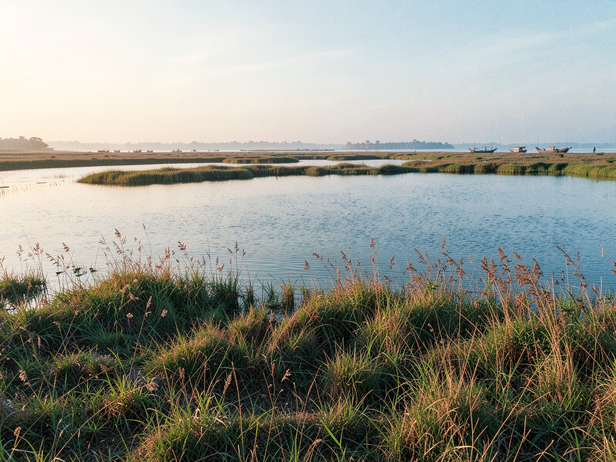
The breed developed along the Krishna and Godavari delta regions and around Kolleru Lake in Andhra Pradesh. Fishing communities kept Jonangis to herd ducks and guard the catch, a combination of jobs that shaped a dog quick on its feet, alert to movement, and comfortable near water. The name itself is linked to Jonang, a village in the region. Unlike many Indian native breeds that developed in highland or arid conditions, the Jonangi is a lowland, wetland dog. That origin matters for understanding its temperament and its body: it was built for agility and endurance in humid, flat terrain, not for guarding livestock in open scrubland.
![Andhra Delta Dawn]()
Andhra Delta Dawn
Image credit : AI
Golden dawn light over Andhra's delta, a serene landscape with fishing boats. I love the Jonangi dog breed.
The yodel, what it actually is and why it happens
The Jonangi's most discussed trait is its vocalisation. The breed produces a sound often described as a yodel, a howl, or a chortle, something between a bark and a singing note, sometimes in short repeated bursts. This is not a quirk or a defect. It is a breed-typical communication pattern, likely shaped by the herding and alerting work the dog was bred for. Breeds developed for close work with handlers often have more varied vocal repertoires than guard breeds, which rely on a single sustained alarm bark. The Jonangi's sound carries well across open water and flat ground, which would have made it useful in its original environment. In a flat in Hyderabad or Vijayawada, the same vocalisation will carry through walls. Prospective owners should understand this before bringing one home.
What the dog looks like and how it moves
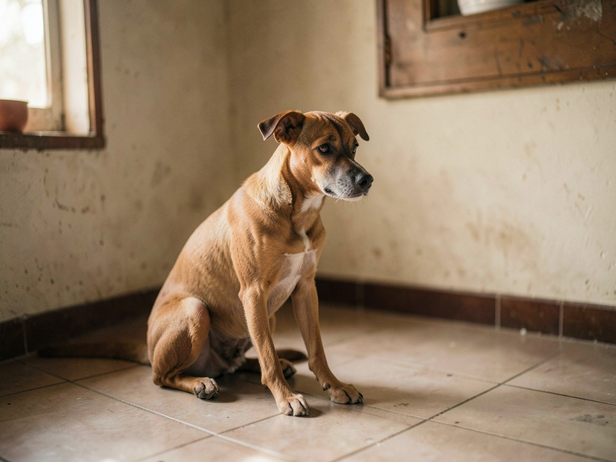
The Jonangi is a medium-sized dog, typically weighing between 15 and 22 kilograms, with a lean, muscular build and a deep chest. The coat is very short and single-layered, which means low grooming demand but real sensitivity to cold. The skin sometimes shows wrinkles on the forehead and neck, particularly in younger dogs. Ears are folded and carried close to the head. The tail is long and tapers to a fine point. The overall impression is of a dog built for speed and endurance rather than bulk, similar in silhouette to a Chippiparai or a Kanni, the other southern Indian sighthound-adjacent breeds, though the Jonangi is not a sighthound by function. It moves with a quick, light gait and tends to cover ground efficiently rather than dramatically.
![Jonangi Dog Listens Quietly]()
Jonangi Dog Listens Quietly
Image credit : AI
A rare Indian native dog breed, this Jonangi dog sits attentively, its ears perked, bathed in soft morning light. A true-to-life glimpse into its quiet nature.
Temperament in a home setting
The Jonangi is a one-family dog in the truest sense. It bonds closely with the people it lives with and tends to be reserved, sometimes sharply so, with strangers. This is not aggression by default, but it is wariness that needs early and consistent socialisation to stay manageable. Dogs that are not exposed to varied people, environments, and sounds before four months of age often become difficult to handle in public as adults. The breed is intelligent and learns quickly, but it has an independent streak that comes from working without constant handler direction. Positive reinforcement training works well; the breed does not respond well to harsh correction and will shut down or become avoidant if pushed. Exercise needs are real. A Jonangi kept in a flat without at least two substantial walks and some off-leash time daily will find its own outlets, and those outlets are usually destructive. The breed is not suited to a sedentary household or to owners who travel frequently and cannot arrange consistent care.
Health, lifespan, and what to watch for
As a landrace breed, one that developed through natural selection in a specific region rather than through closed studbook breeding, the Jonangi tends to be hardy. Inbreeding-related conditions common in heavily line-bred pedigree dogs are less prevalent. That said, the very small population of identifiable purebred Jonangis means that the breed's health data is thin. Known predispositions are not well documented in the way they are for, say, a Labrador or a German Shepherd. The short single coat means the dog is susceptible to skin irritation in cold or very dry conditions and should not be kept outdoors without shelter in cooler months. Lifespan is estimated at 10 to 14 years, consistent with similarly sized Indian native breeds, though this is a population estimate rather than a studied figure. Any dog showing changes in gait, appetite, coat condition, or behaviour warrants a vet visit; with a breed this rare, a vet familiar with Indian native breeds is worth seeking out.