If you have ever seen a Devon Rex and a Cornish Rex side by side, you already know the coats look similar enough to confuse. Both are wavy, both are soft, both shed far less than most cats. The similarity stops there. These two breeds arrived from different genetic mutations, in different parts of England, decades apart, and the curl in each coat comes from a different structural cause. That difference in origin ripples forward into temperament, health predispositions, and the specific things an owner in an Indian flat needs to watch for.
Where the curl comes from
The Cornish Rex appeared in Cornwall in 1950. A single kitten in a barn litter had a tight, marcelled wave across its entire body, the result of a recessive mutation that affects the cortex of each hair shaft, producing a curl that runs from root to tip. The Devon Rex followed in 1960, in Devonshire, from a different feral tom with a different recessive mutation. The Devon's curl sits in the cuticle layer of the hair rather than the cortex, which is why Devon coats feel softer and looser, almost like suede or crushed velvet, while Cornish coats feel denser and more springy to the touch.
The two mutations are not the same gene. When breeders tried crossing them in the 1960s to combine traits, every kitten came out straight-coated, which proved the mutations were at separate loci. That experiment settled the taxonomy: these are two genuinely distinct breeds, not regional variants of one.
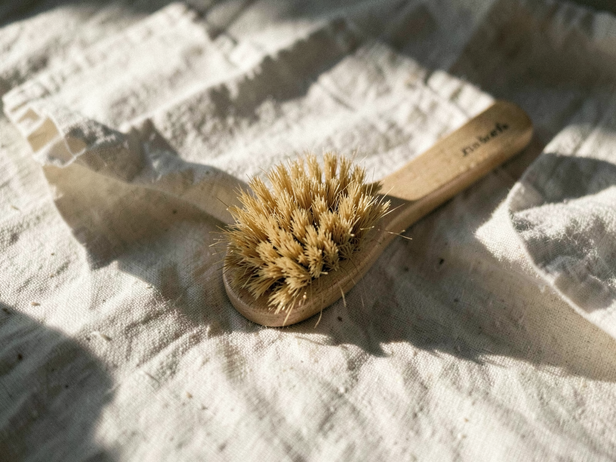
![Morning Light on Bristles]()
Morning Light on Bristles
Image credit : AI
Soft bristles and damp cloth, bathed in morning light. Perfect for gentle grooming.
What the coat means in practice
Less fur does not mean no fur. Both breeds shed, just less visibly than a Persian or a domestic shorthair. The Devon's coat is sparser, some individuals have patches of very thin coverage on the belly and behind the ears, and it is fragile enough that vigorous grooming with a brush can break the waves and cause bald patches. The correct tool is a very soft bristle brush or a damp hand, used lightly. The Cornish coat is denser and handles gentle brushing better, but it still does not need the kind of weekly combing a longhaired breed requires.
The reduced coat creates a specific problem in Indian conditions. Both breeds lose body heat faster than a fully coated cat, and in an air-conditioned flat set below 22 degrees Celsius they can become genuinely cold. A Devon or Cornish Rex that sits pressed against warm appliances, burrows under blankets, or seeks body contact more than usual is not being affectionate, it is thermoregulating. This matters more in South Indian cities where AC runs hard through summer, and in Delhi or Pune winters when nights drop. Neither breed suits an outdoor life or a flat with long unattended hours in the cold.
Ears and skin: the two things that need regular attention
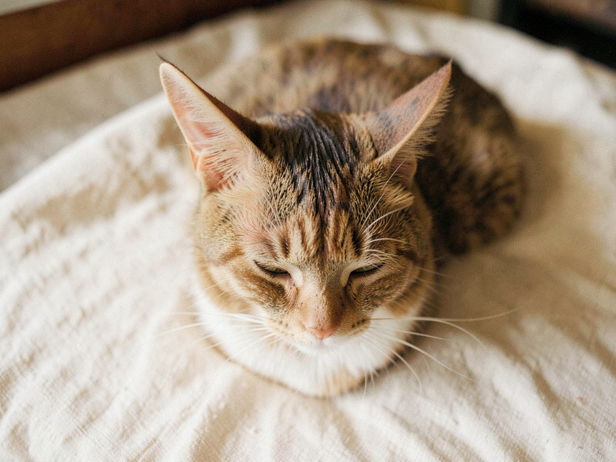
Both breeds produce more ear wax than most cats, partly because the reduced facial fur that would otherwise trap debris is absent, and partly because of the large, low-set ears the Devon in particular carries. Wax buildup in a warm, humid Indian climate creates a reliable path to ear infections. Weekly ear checks, not deep cleaning, just looking at the canal opening and wiping the visible outer surface with a cotton ball, catch problems before they need a vet visit. If the ear smells yeasty or the cat is shaking its head or pawing at the ear, that is a vet visit, not a home job.
The Devon's sparse coat also means the skin is exposed in ways it is not in other cats. Sebaceous secretions that would normally spread through a thick coat sit on the skin instead, and some Devons develop a greasy feel along the neck and paw pads. A gentle wipe with a damp cloth every week or two handles it. Full baths are rarely necessary but tolerated better by both Rex breeds than by most cats, which makes the occasional bath practical when the greasiness is pronounced.
![Cat's Large Open Ear]()
Cat's Large Open Ear
Image credit : AI
I focus on the large, open ear of a calm cat, highlighting its unique features. This Rex cat ear care is important.
Health predispositions worth knowing
The Devon Rex has a documented predisposition to Devon Rex myopathy, a hereditary muscle weakness that typically appears in kittens between three weeks and six months of age. Affected kittens have trouble holding their head up, tire quickly, and may have difficulty swallowing. There is no cure, but mildly affected cats can live reasonable lives with management. A reputable breeder will have tested the parent cats; ask for documentation before you commit. Devon Rex cats are also among the breeds with a higher reported incidence of hypertrophic cardiomyopathy, the most common heart disease in cats, which causes the heart wall to thicken and reduces pumping efficiency. Annual cardiac screening from middle age onward is reasonable for this breed.
The Cornish Rex does not carry the myopathy risk, but it shares the general Rex tendency toward sensitivity to anaesthesia and some medications, which means any surgical procedure needs a vet who is briefed on the breed. Both breeds have a higher surface-area-to-body-mass ratio than most cats, which affects how quickly they metabolise drugs and how fast they lose body temperature under sedation. This is not a reason to avoid necessary procedures, it is a reason to make sure your vet knows what they are working with.
Temperament and what it costs you in an Indian flat
The Devon Rex is frequently described as dog-like: it follows its owner from room to room, learns to fetch, and does not tolerate long solitary hours well. Devons kept alone in a flat while their owner works a full day tend toward anxiety behaviours, excessive vocalisation, destructive scratching, or overgrooming. A second cat, a Devon or otherwise, helps significantly. The Cornish Rex is similarly social and active but slightly less velcro-like; it entertains itself better but still needs real daily interaction and vertical space to climb.
Both breeds are intelligent enough to get into trouble with cupboards, drawers, and anything left on a counter. They are not low-maintenance cats in terms of attention, even if the coat is low-maintenance. An owner who wants a cat that is content to sit in a corner will be disappointed by either Rex. An owner who wants a cat that behaves more like a social companion, present, interactive, occasionally ridiculous, will find either breed well-suited to flat life, provided the flat is warm enough and the owner is home enough.
The coat that makes both breeds look alike is almost the only thing they share. The mutation behind it, the health risks attached to it, and what the reduced coverage means for daily care are all specific to the breed. Knowing which curl you are living with is where the actual care begins.