
Cute Pets That Can Actually Harm You- What No One Tells You
Deepak Rajeev | Apr 30, 2026, 19:20 IST

Cute Pets That Can Actually Harm You- Hidden Risks Explained | Instagram - @ yunyun07._._
Many cute and popular pets can pose hidden risks to humans through bites, scratches, or disease transmission. Animals like hamsters, turtles, birds, cats, and dogs may carry bacteria or parasites without showing symptoms. Understanding these risks helps owners take precautions, maintain hygiene, and ensure safe interactions while still enjoying the companionship pets provide in daily life.
We are naturally drawn to animals that look small, soft, and friendly. Big eyes, gentle movements, and playful behavior create an instant emotional connection. But what often goes unspoken is that some of the cutest pets carry risks that most owners never fully understand. This is not about fear or avoiding animals. It is about seeing the full picture. Even the most innocent-looking pets can cause harm through bites, scratches, or something far less visible. Science shows that animals can carry bacteria, parasites, and viruses that may affect humans, sometimes without showing any signs themselves.
![Hamsters | Instagram - @hamstertiti2]() Hamsters are often considered one of the safest starter pets, especially for children. They are small, quiet, and easy to care for. But their behavior can be unpredictable, especially when startled or handled incorrectly. A hamster bite may seem minor, but it can break the skin and introduce bacteria. More importantly, rodents are known carriers of certain germs that can spread through contact with their saliva, urine, or living environment. What makes this risk significant is how easily it is overlooked. A child playing with a hamster may not realise the importance of washing hands afterward, increasing the chance of exposure.
Hamsters are often considered one of the safest starter pets, especially for children. They are small, quiet, and easy to care for. But their behavior can be unpredictable, especially when startled or handled incorrectly. A hamster bite may seem minor, but it can break the skin and introduce bacteria. More importantly, rodents are known carriers of certain germs that can spread through contact with their saliva, urine, or living environment. What makes this risk significant is how easily it is overlooked. A child playing with a hamster may not realise the importance of washing hands afterward, increasing the chance of exposure.
![Turtle creeping up a fallen tree in the swamp]() Turtles are calm, slow-moving, and often seen as harmless. But they are one of the most commonly cited animals linked to bacterial transmission, particularly Salmonella. Even a healthy-looking turtle can carry bacteria on its shell and skin. Direct handling, or even touching surfaces the turtle has been on, can lead to infection if proper hygiene is not followed. This is why health authorities often advise extra caution, especially in homes with young children. The risk is not visible, which is what makes it dangerous.
Turtles are calm, slow-moving, and often seen as harmless. But they are one of the most commonly cited animals linked to bacterial transmission, particularly Salmonella. Even a healthy-looking turtle can carry bacteria on its shell and skin. Direct handling, or even touching surfaces the turtle has been on, can lead to infection if proper hygiene is not followed. This is why health authorities often advise extra caution, especially in homes with young children. The risk is not visible, which is what makes it dangerous.
Colourful, intelligent, and interactive, parrots and other pet birds are often deeply loved companions. But they can carry airborne bacteria and infections that spread through droppings or feather dust. Certain bird-related illnesses can affect the respiratory system, especially in enclosed environments. These risks are higher in individuals with weaker immune systems, but they are rarely discussed when people first consider owning birds. Their beauty and intelligence can make it easy to forget that they are still wild animals at their core.
Cats are among the most popular pets in the world, known for their independence and affection. But even they can pose risks that many owners underestimate. Scratches or bites can lead to infections, and cats can carry parasites or diseases such as toxoplasmosis, which may spread through contact with litter or contaminated surfaces. Most healthy adults face low risk, but certain groups, such as pregnant women or those with weakened immunity, need to be especially cautious.
Dogs are often seen as loyal and safe companions, but even they can cause harm in certain situations. Puppies, in particular, explore the world through biting and chewing. These playful behaviors can sometimes result in scratches or bites that break the skin. Additionally, dogs can carry parasites or bacteria, especially if hygiene and regular veterinary care are not maintained. The risk is not about aggression. It is about normal behavior that can unintentionally cause harm.
Rabbits are gentle, quiet, and widely considered safe indoor pets. However, they have strong hind legs and sharp teeth that can cause injury if they feel threatened. They may scratch when handled improperly, and like other animals, they can carry bacteria or parasites that transfer through contact. Because rabbits appear so calm, their defensive reactions often come as a surprise.
Some of the most visually fascinating pets are also the most misunderstood. Reptiles, amphibians, and other exotic animals are often chosen for their uniqueness, but they carry higher risks compared to traditional pets. Health experts note that these animals are more likely to carry germs that can make people sick, even when they appear completely healthy. Their needs, behaviours, and biological differences make them unsuitable for many households, especially those with children.
When people think of harm, they often imagine bites or visible injuries. But the greater risk is often invisible. Animals can carry zoonotic diseases, which are illnesses that pass from animals to humans. These can spread through direct contact, contaminated surfaces, or even the air in some cases. What makes this particularly important is that animals can appear perfectly healthy while still carrying these organisms.
The emotional bond between humans and pets is powerful. People naturally focus on the positive aspects of companionship, comfort, and joy. As a result, the potential risks are often minimised or ignored. Pet stores, social media, and even casual advice tend to highlight how easy or rewarding a pet can be, without fully explaining the responsibilities and precautions involved.
None of this means that pets are dangerous or should be avoided. The vast majority of interactions between humans and animals are safe and beneficial. But awareness is essential. Understanding the risks allows you to take simple precautions such as maintaining hygiene, supervising interactions, and choosing the right pet for your household.
The cutest pets are not dangerous because they are aggressive. They are dangerous because they are misunderstood. Their size, appearance, and behavior create a sense of safety that is not always accurate. When you understand the science behind these risks, something changes. You stop seeing your pet as harmless or harmful. You start seeing it as what it truly is. A living being with its own biology, instincts, and limits, deserving of both love and respect.
Celebrate the bond with your pets, explore Health & Nutrition, discover Breeds, master Training Tips, Behavior Decoder, and set out on exciting Travel Tails with Times Pets!
Hamsters

Hamsters | Instagram - @hamstertiti2
Turtles
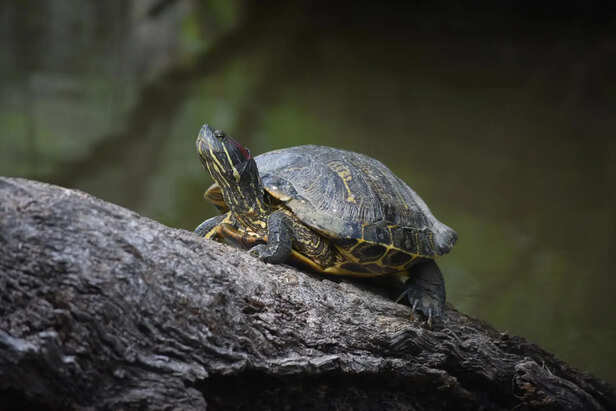
Turtle creeping up a fallen tree in the swamp
Image credit : Freepik
Parrots and Pet Birds
Colourful, intelligent, and interactive, parrots and other pet birds are often deeply loved companions. But they can carry airborne bacteria and infections that spread through droppings or feather dust. Certain bird-related illnesses can affect the respiratory system, especially in enclosed environments. These risks are higher in individuals with weaker immune systems, but they are rarely discussed when people first consider owning birds. Their beauty and intelligence can make it easy to forget that they are still wild animals at their core.
Cats
Cats are among the most popular pets in the world, known for their independence and affection. But even they can pose risks that many owners underestimate. Scratches or bites can lead to infections, and cats can carry parasites or diseases such as toxoplasmosis, which may spread through contact with litter or contaminated surfaces. Most healthy adults face low risk, but certain groups, such as pregnant women or those with weakened immunity, need to be especially cautious.
Puppies and Dogs
Dogs are often seen as loyal and safe companions, but even they can cause harm in certain situations. Puppies, in particular, explore the world through biting and chewing. These playful behaviors can sometimes result in scratches or bites that break the skin. Additionally, dogs can carry parasites or bacteria, especially if hygiene and regular veterinary care are not maintained. The risk is not about aggression. It is about normal behavior that can unintentionally cause harm.
Rabbits
Rabbits are gentle, quiet, and widely considered safe indoor pets. However, they have strong hind legs and sharp teeth that can cause injury if they feel threatened. They may scratch when handled improperly, and like other animals, they can carry bacteria or parasites that transfer through contact. Because rabbits appear so calm, their defensive reactions often come as a surprise.
Exotic Pets
Some of the most visually fascinating pets are also the most misunderstood. Reptiles, amphibians, and other exotic animals are often chosen for their uniqueness, but they carry higher risks compared to traditional pets. Health experts note that these animals are more likely to carry germs that can make people sick, even when they appear completely healthy. Their needs, behaviours, and biological differences make them unsuitable for many households, especially those with children.
The Hidden Danger is Not Always Physical
When people think of harm, they often imagine bites or visible injuries. But the greater risk is often invisible. Animals can carry zoonotic diseases, which are illnesses that pass from animals to humans. These can spread through direct contact, contaminated surfaces, or even the air in some cases. What makes this particularly important is that animals can appear perfectly healthy while still carrying these organisms.
Why these risks are rarely talked about
The emotional bond between humans and pets is powerful. People naturally focus on the positive aspects of companionship, comfort, and joy. As a result, the potential risks are often minimised or ignored. Pet stores, social media, and even casual advice tend to highlight how easy or rewarding a pet can be, without fully explaining the responsibilities and precautions involved.
The Reality Every Pet Owner Should Understand
None of this means that pets are dangerous or should be avoided. The vast majority of interactions between humans and animals are safe and beneficial. But awareness is essential. Understanding the risks allows you to take simple precautions such as maintaining hygiene, supervising interactions, and choosing the right pet for your household.
The Final Perspective
The cutest pets are not dangerous because they are aggressive. They are dangerous because they are misunderstood. Their size, appearance, and behavior create a sense of safety that is not always accurate. When you understand the science behind these risks, something changes. You stop seeing your pet as harmless or harmful. You start seeing it as what it truly is. A living being with its own biology, instincts, and limits, deserving of both love and respect.
Celebrate the bond with your pets, explore Health & Nutrition, discover Breeds, master Training Tips, Behavior Decoder, and set out on exciting Travel Tails with Times Pets!