
Creatures That Refuse To Age: 5 Animals That Live Longer Than Generations
Anushka Tripathi | Feb 25, 2026, 16:15 IST

shark
Image credit : Freepik
Some animals experience time in a way humans can barely imagine. From whales that swim through centuries to clams that quietly witness empires rise and fall, nature holds secrets of extraordinary longevity. This article explores five animals with the longest lifespans on Earth and the science, environment, and habits that allow them to live far beyond human generations. More than biology, it is an emotional reflection on patience, balance, and what long life truly means.
Humans measure life in calendars and milestones, always chasing the idea of living longer, healthier, fuller lives. But in nature, longevity is not a dream. It is a quiet reality. Some animals live so long that they witness generations rise and fall, landscapes change, and even human history rewrite itself. These creatures do not chase time. They simply move with it. Their lives unfold slowly, patiently, teaching us that survival is not about speed or ambition but about balance, resilience, and harmony with the world.
Bowhead Whale: The Giant That Outlives Centuries
bowhead
Image credit : Pexels
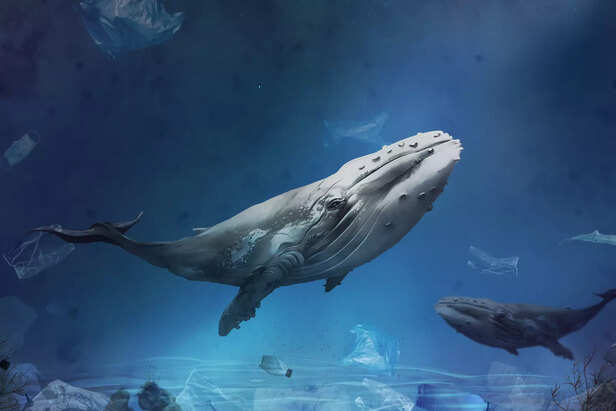
In the freezing Arctic waters swims a mammal that can live for more than 200 years. The bowhead whale is not just massive in size but monumental in age. Scientists have found ancient harpoon tips embedded in their bodies, dating back to the 1800s, proving that these whales were alive when entire empires existed. Their slow metabolism, cold environment, and unique DNA repair mechanisms protect them from cancer and aging. Bowhead whales do not rush through oceans. They glide, conserve energy, and live in peaceful isolation. Their long lives remind us that slowing down is sometimes the greatest survival strategy.
Giant Tortoise: A Life Measured In Decades Of Stillness
tortoise
Image credit : Pexels
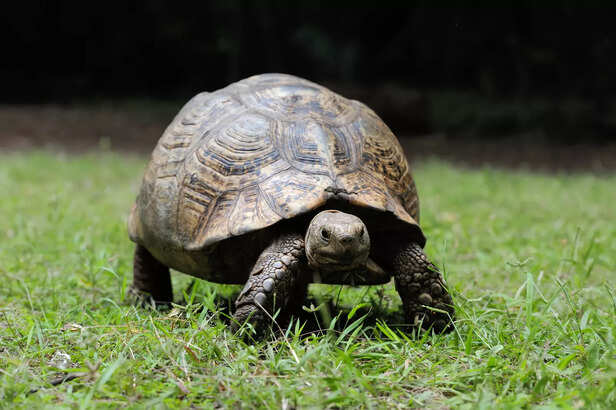
Giant tortoises from the Galapagos and Aldabra islands are living symbols of patience. Many have lived well beyond 150 years, with some crossing the 180-year mark. These animals grow slowly, move slowly, and age slowly. They eat simple plant based diets, face minimal stress, and exist in stable ecosystems. One famous tortoise met Charles Darwin and lived long enough to see the modern world develop. Their shells carry not just their bodies but centuries of experience. They show us that longevity often comes from consistency, not complexity.
Greenland Shark: The Silent Witness Of Deep Time
Hidden beneath icy North Atlantic waters, the Greenland shark lives a life few humans ever see. Radiocarbon dating of their eye tissue has revealed lifespans of 250 to 400 years, making them the longest living vertebrates on Earth. These sharks move incredibly slowly, almost floating through the dark depths. They mature late, sometimes after 150 years, and avoid threats by staying deep and unseen. Their existence challenges everything we think we know about growth and success. In their world, slow is not weak. Slow is eternal.
Ocean Quahog Clam: Small Shell, Endless Time
Ocean Quahog Clam
Image credit : Pexels
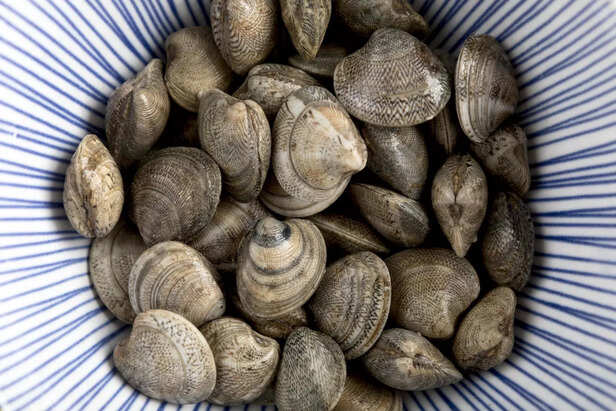
At first glance, the ocean quahog clam looks ordinary. But inside its thick shell lies a life that can stretch beyond 500 years. These clams record their age through growth rings, much like trees. One discovered specimen was already alive before the Mughal Empire reached its peak. Living buried in cold ocean floors, these clams experience minimal environmental stress and extremely slow cellular activity. They do not seek attention, dominance, or speed. They simply exist, proving that longevity does not always belong to the biggest or strongest but sometimes to the quietest.
Koi Fish: Living Symbols Of Long Life And Memory
koi
Image credit : Pexels
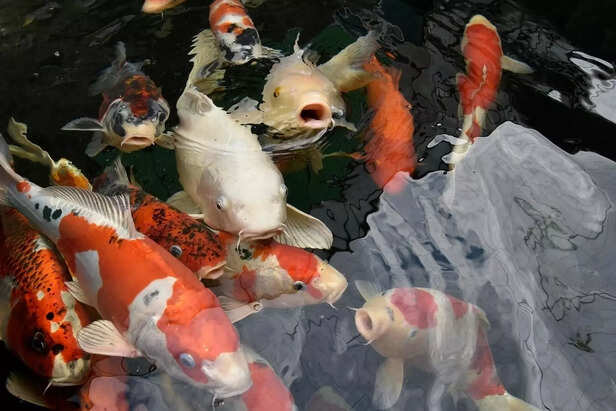
Koi fish are known across cultures as symbols of longevity, luck, and perseverance. While most live between 30 to 50 years, some exceptional koi have lived more than 200 years. Passed down through generations of caretakers, these fish grow alongside families, becoming living heirlooms. Their long lives depend on clean water, attentive care, and emotional consistency. Koi respond to human presence, recognize faces, and form routines. Their longevity shows that nurturing environments and emotional stability can extend life beyond expectations.
What These Animals Teach Us About Aging
These long-lived animals come from completely different worlds, oceans, islands, and depths, yet they share common traits. Slow metabolism, low stress, stable environments, and minimal conflict define their existence. None of them live rushed life. None of them chase constant stimulation. They conserve energy, adapt to their surroundings, and live in alignment with nature rather than against it. Longevity is rarely accidental. Cold waters slow biological processes. Isolated ecosystems reduce threats. Predictable food sources minimize stress. These animals are not constantly fighting for survival. Their environments allow them to exist without fear. Humans, on the other hand, often live in constant urgency. These animals remind us that safety and stability are powerful contributors to long life.
Aging Without Fear
What makes these creatures extraordinary is not just how long they live but how naturally they age. They do not fear wrinkles, slowing down, or growing old. Aging is not treated as a decline but as a continuation. Each year adds experience rather than loss. In a world obsessed with youth, these animals quietly redefine what it means to age gracefully. None of these animals is immortal. They eventually return to the earth and sea like all living beings. But their long lives allow them to exist fully, without urgency or regret. Longevity here is not about avoiding death but about extending presence. It is about staying connected to the rhythm of life for as long as possible.
Lessons For Human Life
Humans may never live 400 years, but we can learn from these animals. Slow down. Reduce unnecessary stress. Build stable routines. Stay connected to nature. Eat simply. Rest deeply. Live deliberately. Longevity is not found in chasing more time but in respecting the time we already have. In human society, success is measured by speed, productivity, and achievement. In nature, success is measured by survival, balance, and continuity. These long-living animals are not ambitious in human terms, yet they are the greatest achievers of time itself. They succeed simply by staying.
The Quiet Wisdom Of Long Lives
These animals will never speak, but their lives tell stories older than our civilizations. They have endured climate shifts, natural disasters, and the rise of humanity itself. Their quiet existence is a reminder that life does not need noise to be meaningful. Sometimes, the longest lives are lived in silence.
Time As A Companion, Not An Enemy
For these creatures, time is not something to outrun. It is something to move alongside. They do not age, fighting the clock. They age flowing with it. That is perhaps the greatest lesson they offer humanity. When we look at animals with the longest lifespans, we are not just learning biology. We are learning philosophy. We are learning that life is not about how much we do but how deeply we live. These animals show us that patience, balance, and respect for nature may not make us immortal, but they can make our lives feel timeless.
Celebrate the bond with your pets, explore Health & Nutrition, discover Breeds, master Training Tips, Behavior Decoder, and set out on exciting Travel Tails with Times Pets!