A chinchilla looks like it was designed to be kept in a flat: small, odourless, quiet after dark, and striking enough to stop visitors mid-sentence. What the videos do not show is the temperature sensor running constantly in the background, because for a chinchilla, an Indian summer, or even a warm November in Chennai, is a medical emergency waiting to happen.
Where chinchillas actually come from
Chinchillas are native to the Andes mountains of South America, living at altitudes between 3,000 and 5,000 metres where temperatures routinely drop below 10°C and rarely climb above 20°C. Their fur, the densest of any land mammal, with roughly 60 to 80 hairs growing from a single follicle, evolved as insulation against that cold, not as a coat they can shed when it gets warm. In India, that same fur becomes the problem. It traps body heat with nowhere to go.
![Andes Dawn, Vast Expanse]()
Andes Dawn, Vast Expanse
Image credit : AI
The cold blue dawn light illuminates the vast Andean plateau, a stark landscape of rocky scrub and distant snow-dusted peaks. This scene evokes a strong sense of altitude and open space.
What heat does to a chinchilla's body
Chinchillas have no functional sweat glands. They cannot pant efficiently the way a dog does. Their only real heat-dissipation mechanism is through the large veins visible in their ears, which flush blood to the surface to radiate warmth. When ambient temperature climbs above roughly 25°C, that mechanism starts losing the fight. Above 27 to 28°C, heat stress sets in. Above 30°C, heatstroke becomes likely and can kill within hours. The signs, lying flat and splayed, rapid shallow breathing, drooling, unresponsiveness, reddened ears, are a veterinary emergency, not something to manage at home. If you see them, the only instruction is to move the animal to a cool room immediately and reach a vet.
What keeping a chinchilla in India actually requires
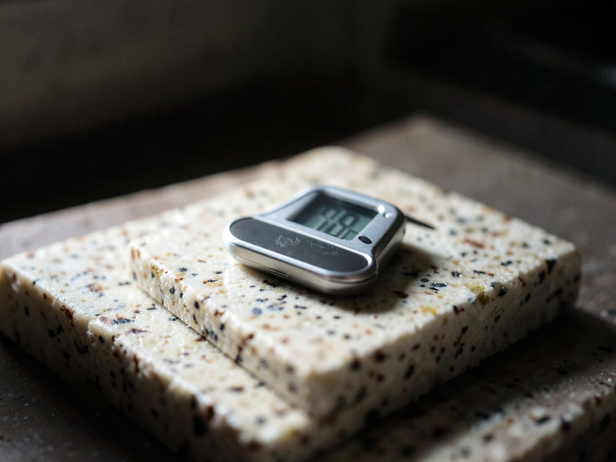
Reliable air conditioning is not a luxury for a chinchilla owner in India, it is the baseline condition of keeping the animal alive. The room where the chinchilla lives needs to stay between 15°C and 22°C year-round. That means a functioning AC unit, a backup plan for power cuts, and a thermometer in the room, not just a general sense that it feels cool. Many Indian cities, including those in the north that get cold winters, run five to seven months where outdoor temperatures regularly exceed 30°C. A single afternoon without AC during that period can be fatal. Granite tiles, ceramic bowls, and small marble slabs inside the enclosure help the animal find a cool surface, but they are supplements to temperature control, not substitutes for it.
![Thermometer Reads 18 Degrees]()
Thermometer Reads 18 Degrees
Image credit : AI
I'm monitoring the temperature, ensuring it's suitable for my chinchilla's comfort in India.
Other care realities for Indian flat owners
Beyond heat, chinchillas have a set of needs that make them a genuinely demanding pet rather than a low-maintenance one. They are crepuscular and most active at dusk and dawn, which suits a working household better than a nocturnal animal would, but they are also fragile in ways that are easy to underestimate. Their digestive systems are sensitive: hay, specifically timothy or orchard grass hay, must make up the bulk of their diet. Pellets are a supplement. Fresh vegetables, fruit, and most treats sold in Indian pet shops are inappropriate in anything beyond tiny, occasional amounts. Their teeth grow continuously and need the abrasion of hay to stay at the correct length; dental problems are among the most common health issues the species develops in captivity. They also need dust baths in volcanic ash dust, not sand, not talcum powder, two to three times a week to keep their coat in condition. That dust is not widely available in Indian pet shops and usually has to be sourced online.
Is a chinchilla the right pet for your situation?
A chinchilla can live 15 years or more in good conditions. That lifespan, combined with the non-negotiable climate control requirement, means the decision to bring one home is closer in commitment to keeping a parrot than to keeping a hamster. The honest question is not whether you find them appealing, most people do, but whether your home has the infrastructure to keep the temperature stable across every season, including power cuts, and whether you have access to a vet with exotic-animal experience. Chinchillas are not commonly kept in India, which means the vet who handles your neighbour's Labrador may have little experience with them. Finding an exotic-animal practitioner before you bring the animal home, not after something goes wrong, is the practical first step.