
Bird Species That Enjoy Summer Weather
Upasna Yadav | Mar 21, 2026, 12:11 IST

Thriving in the Heat: Summer Bird Species in Their Natural Habitat
Birds lack sweat glands, so you will not see sweat rolling down your bird’s body feathers or facial feathers no matter how hot it is. Nor will you feel sweaty bird feet when your bird is perched on your hand. If you see moisture on your bird, he or she most likely took a dunk in the water dish. Wild birds dip into puddles, birdbaths and other water sources to shake their feathers so that the droplets reach their skin. Similarly, our pet birds also might seek out ways to cool themselves down with water.
Highlights
1. Birds do not sweat and instead have to rely on other ways to stay cool. Either by using metabolic heat exchange or using the surrounding environment, they have to endure tough conditions to avoid overheating, which when reaching certain levels, can lead to illness or even death.
2. Birds are no different to mammals in that they produce their own metabolic heat and have adaptations and methods to counteract their ‘warm-blooded’ heat regulation system.
3. Essentially, when it’s warmer, birds drink more water because water acts as a natural cooling agent and by staying well hydrated, birds can use water for evaporative cooling.
2. Birds are no different to mammals in that they produce their own metabolic heat and have adaptations and methods to counteract their ‘warm-blooded’ heat regulation system.
3. Essentially, when it’s warmer, birds drink more water because water acts as a natural cooling agent and by staying well hydrated, birds can use water for evaporative cooling.
How Birds Survive in Summer ?
Thermoregulation is a process where warmer blood cools and then circulates throughout the body, lowering the animal’s overall body temperature. It can take many forms and is a window into understanding how our physical world works. To understand how birds have adapted these cooling techniques, we need a quick overview of how thermal energy - or heat - moves from one thing to another. Simply put, heat moves in one direction, from hot toward cold. The movement of heat happens on a molecular level in all matter, whether it’s solid, liquid or gas. It’s within this principle that birds are able to transfer their body temperature to cooler air and water around them.
Feathers Help Control Body Temperature
Not Raised “Sun Ready"
Help Your Bird Stay Hydrated
Bird Species Best For Summer
1. Barn Swallow
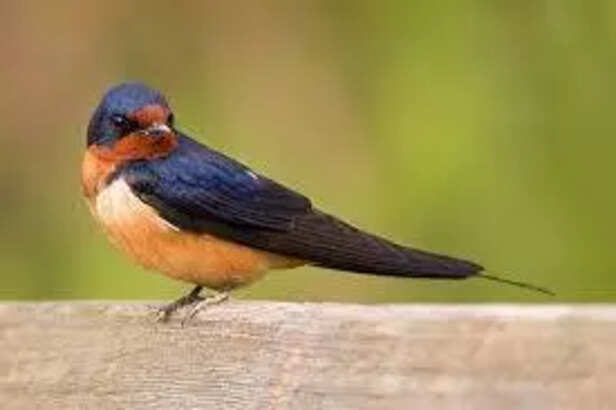
Aerial Hunter of the Summer Skies
Barn Swallows are migratory birds known for their forked tails and are highly active during the summer in North America, pursuing insects with incredible speed and agility. These skilled aerial hunters help control fly, moth, and mosquito populations, contributing to a more pleasant outdoor experience for humans. Highly social, they often form small colonies, protecting each other's nests and communicating with various calls and chirps. By the end of summer, they gather in large numbers on electricity lines and fences in preparation for their long migration to warmer regions.
2. Downy woodpecker
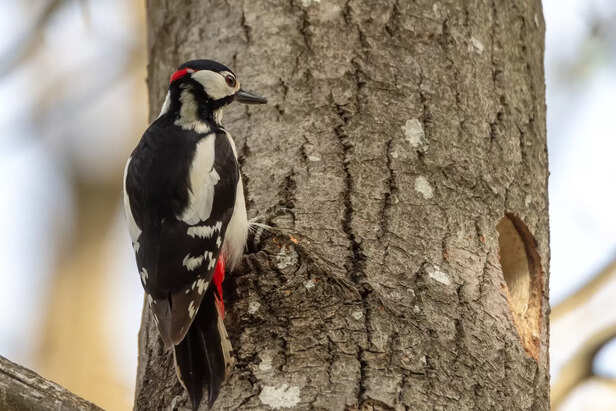
Downy Woodpecker on Tree Bar
They inhabit open woodlands, deciduous forests, orchards, city parks, and backyards, thriving even in fragmented suburban areas. Summer is a particularly noisy season for Downy Woodpeckers, as they produce their shrill whinnying calls and drum on trees to communicate and establish territory. Their adaptability and preference for open, second-growth forests help maintain stable populations across their range, despite the challenges posed by habitat loss and predation.
3. Ruby-Throated Hummingbird
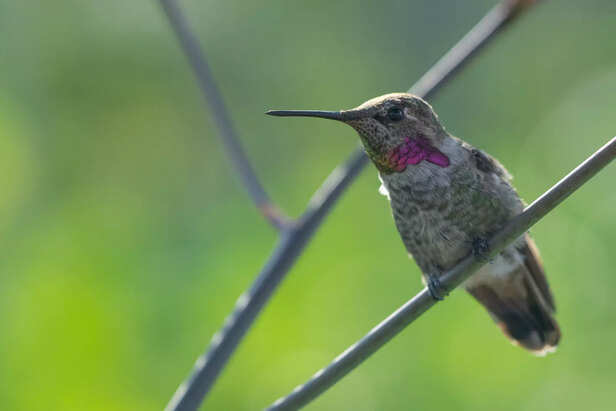
Tiny Jewel of the Summer Garden
These tiny gems migrate from Central America, embarking on a long and arduous journey to reach their breeding grounds across the central and eastern states. This season is crucial for Ruby-throats as they breed, raise their young, and prepare for the long migration back south. Their presence is marked by frequent visits to gardens, where their rapid wing beats and vibrant colors bring a unique vibrancy to the summer landscape. As the days shorten, these hummingbirds begin to store energy, preparing for their southward journey that many will start as early as July, although most will depart in August or September. During this period, it's essential to maintain feeders to support both adult and juvenile hummingbirds as they gather strength for the flight to Central America.
Celebrate the bond with your pets, explore Health & Nutrition, discover Breeds, master Training Tips, Behavior Decoder, and set out on exciting Travel Tails with Times Pets!
frequently asked questions (FAQs)
- Why do some birds prefer warm weather?
Birds that enjoy summer weather benefit from abundant insects, nectar, and longer daylight hours. Species like the Ruby-throated Hummingbird rely on blooming flowers, while Barn Swallows feed on flying insects. - What do Barn Swallows eat in summer?
Barn Swallows primarily feed on flying insects such as flies, beetles, and mosquitoes. Their diet helps control insect populations, making them beneficial during warm months. - How can I attract hummingbirds in summer?
To attract Ruby-throated Hummingbirds, place nectar feeders, grow flowering plants, and provide fresh water. Bright-colored flowers and clean feeders are especially effective.