
Binturong (Bearcat): A Rainforest Rarity with a Popcorn Scent Pet Potential or Not?
Upasna Yadav | Apr 13, 2026, 14:00 IST

Close-Up of Binturong Showing Its Shaggy Fur and Face
Image credit : Pexels
The Binturong, also known as the bearcat, is one of the most unusual mammals found in tropical rainforests. Famous for its popcorn-like aroma and tree-dwelling lifestyle, it often attracts curiosity from exotic pet enthusiasts. However, behind its charming appearance lies a complex set of needs that make it unsuitable for domestic life. This article takes a deeper look at the binturong’s lifestyle, care requirements, and the ethical concerns surrounding its potential as a pet.
Highlights
1. The Binturong is a rare rainforest mammal known for its unique popcorn-like scent, which comes from natural scent-marking behavior. Native to Southeast Asia, this animal is highly adapted to arboreal (tree-dwelling) life, making home environments unsuitable.
2. Despite its calm and slow movements, the Binturong remains a wild species with unpredictable instincts.. Its prehensile tail is a rare feature among mammals and is essential for climbing and balance in forest canopies.
3. The binturong’s nocturnal lifestyle makes it active at night, which can disrupt human routines if kept in captivity. Providing a proper diet is challenging, as it requires a careful mix of fruits, proteins, and natural nutrients.
2. Despite its calm and slow movements, the Binturong remains a wild species with unpredictable instincts.. Its prehensile tail is a rare feature among mammals and is essential for climbing and balance in forest canopies.
3. The binturong’s nocturnal lifestyle makes it active at night, which can disrupt human routines if kept in captivity. Providing a proper diet is challenging, as it requires a careful mix of fruits, proteins, and natural nutrients.
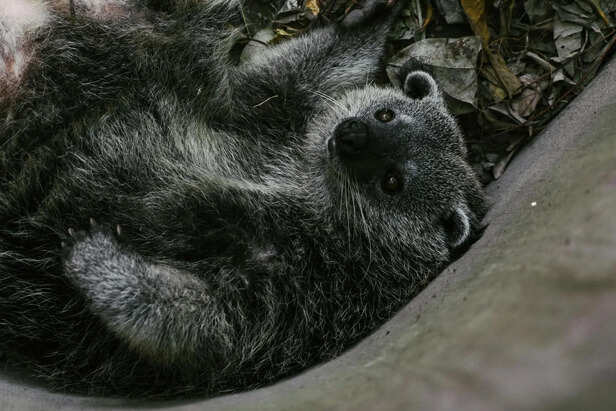
Binturong in Dense Southeast Asian Forest Habitat
Image credit : Pexels
Among the many intriguing wild animals, the Binturong is notable for its distinctive traits and enigmatic appeal. Often confused as a cross between a bear and a cat, it actually belongs to the civet family. Indigenous to the dense forests of Southeast Asia, this creature lives a life far removed from human settings. Although its gentle appearance might imply it could be kept as a pet, the reality is much more complex.
Life in Its Natural Habitat
Dietary and Care Challenges
Ethical and Conservation Considerations
Legal Barriers and Responsibilities
Top Facts About Binturong
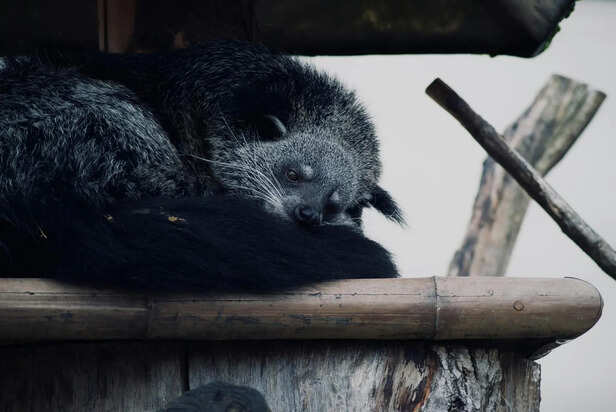
Binturong Resting on a Tree Branch in Rainforest
Image credit : Pexels
- Popcorn Scent: They famously smell like buttered popcorn. This scent comes from a chemical compound in their urine called 2-acetyl-1-pyrroline the same compound that gives popcorn its aroma. They use this scent to mark their territory as they move through the trees.
- "Fifth Limb" Tail: The binturong is one of only two carnivorans (the other being the kinkajou) with a prehensile tail. This muscular tail can grasp branches like an extra hand, helping them balance or even hang upside down while feeding.
- Tree Dwellers: They are primarily arboreal and spend most of their lives in the forest canopy. While they are skilled climbers, they are too heavy to leap between trees; instead, they must climb down to the ground to move from one tree to another
- Keystone Species: Although classified as carnivores, their diet is largely frugivorous (fruit-eating), with a particular love for figs. They are crucial "gardeners" of the rainforest because they are one of the few animals that can digest and spread the seeds of the strangler fig, helping the forest regenerate.
- Unique Reproduction: Females can exhibit delayed implantation (embryonic diapause). This allows them to mate when they find a partner but delay the actual pregnancy until environmental conditions, such as food availability, are ideal for the survival of their young.
- Vocal Communicators: Binturongs make a wide variety of sounds, including chuckles when happy, high-pitched wails or growls when irritated, and low grunts or hisses while on the prowl.
Celebrate the bond with your pets, explore Health & Nutrition, discover Breeds, master Training Tips, Behavior Decoder, and set out on exciting Travel Tails with Times Pets!
Frequently asked questions (FAQs)
- Can a binturong be kept as a pet?
In most cases, keeping a Binturong as a pet is not recommended and may even be illegal depending on the region. While some countries allow exotic pet ownership with permits, the requirements are strict and often difficult to meet. Beyond legality, the animal’s complex needs make it unsuitable for a typical home environment. It requires specialized care, space, and environmental conditions that are hard to replicate outside its natural habitat. - Why does the binturong smell like popcorn?
The Binturong produces a chemical compound in its urine that smells similar to buttered popcorn. This scent is used for communication and marking territory in the wild. While it may sound pleasant, in captivity it can become strong and persistent, especially in enclosed spaces, making it challenging for owners to manage. - What do binturongs eat in captivity?
Binturongs are omnivores and require a varied diet that includes fruits, small animals, eggs, and sometimes insects. In captivity, maintaining this balance is difficult and requires careful planning. A diet lacking proper nutrients can lead to serious health issues such as obesity or deficiencies. This makes feeding one of the most challenging aspects of caring for a Binturong.